




The Game-Changer: The Bullet Train
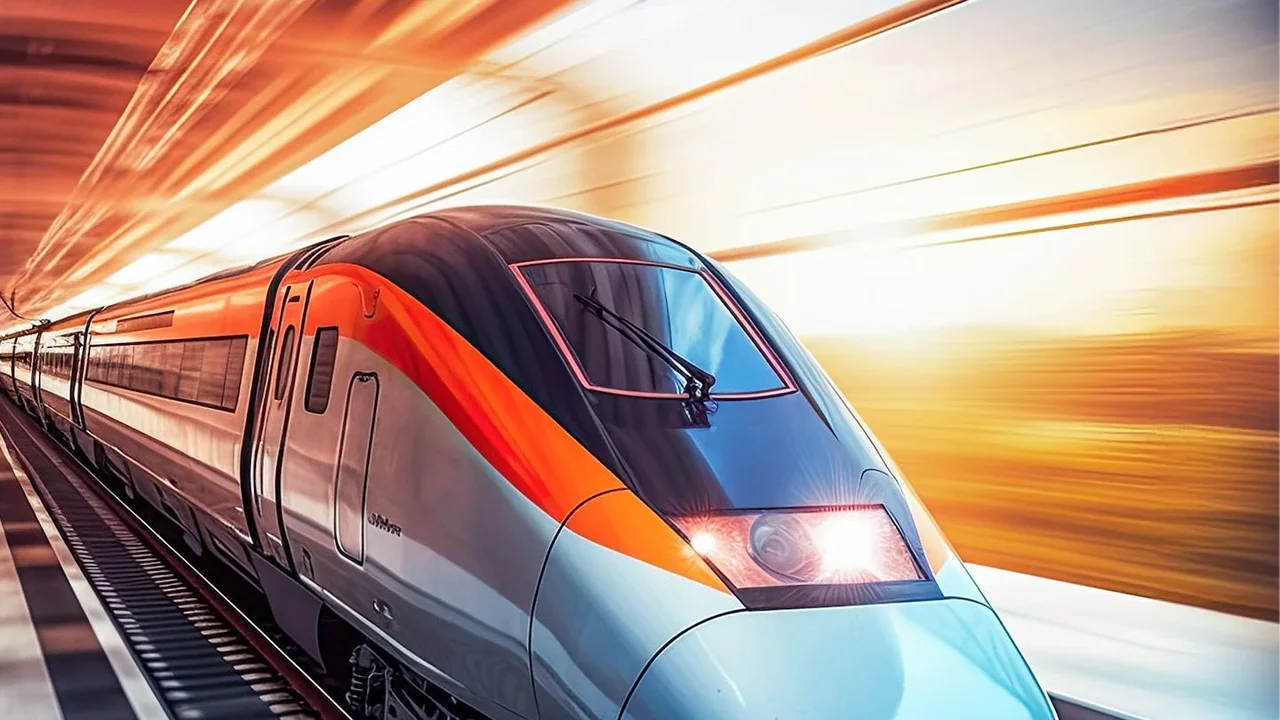
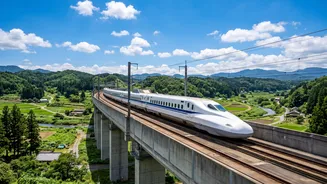
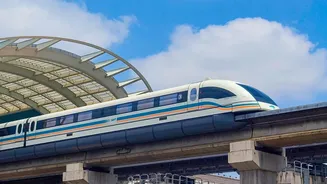
The most talked-about project is the Mumbai-Ahmedabad High-Speed Rail (MAHSR) Corridor, popularly known as the bullet train. This 508-kilometre line is poised to be a landmark in Indian transportation, shrinking the journey between the two economic powerhouses.
With operating speeds of 320 km/h, the travel time is expected to drop to just over two hours. As of September 2026, the project is advancing rapidly, with the first test coach already manufactured and civil works on sections like Vapi-Surat nearing completion. The first service on the corridor, likely between Surat and Bilimora, is anticipated to begin in 2027, heralding a new chapter for rail travel in the country. This will offer a dramatically faster alternative to the current quickest train, which takes over five hours.
On the Fast Lane: New Expressways
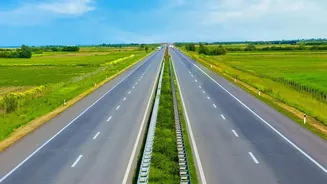
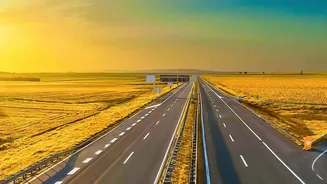
The transformation isn't limited to the rails. A network of modern expressways is being laid across the state to ease road travel. The recently inaugurated Ahmedabad-Dholera Expressway has already made a significant impact, cutting the travel time from Ahmedabad to the Dholera Special Investment Region (DSIR) from over two hours to just 45 minutes. This 109-km corridor is a critical part of the Delhi-Mumbai Industrial Corridor and provides a high-speed link to the upcoming Dholera International Airport. In addition to this, today's launch of new National Highway projects, including the six-laning of the Kamrej-Chalthan section of NH-48 and new bridges over the Tapi and Narmada rivers, will further enhance road safety and reduce congestion on the vital Vadodara-Surat section. These projects are designed for speeds up to 120 km/h, ensuring faster and more efficient movement of both people and goods.
The Rise of Vande Bharat
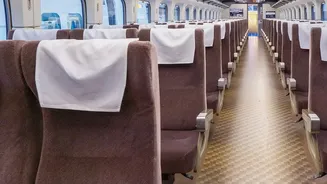
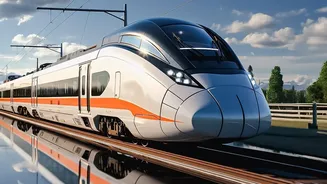
Bridging the gap between conventional trains and the future bullet train, the Vande Bharat Express network has rapidly expanded across Gujarat. Ahmedabad has become a major hub for these semi-high-speed services, with routes connecting to key destinations like Mumbai, Okha, Jodhpur, and Udaipur. These trains have become a popular choice for their modern amenities and reduced travel times. The newly approved Surat-Udaipur service, for instance, will cut the journey to just 7.5 hours. With their comfortable seating and punctual operations, Vande Bharat trains are upgrading the intercity travel experience, offering a premium yet accessible option for thousands of daily commuters and business travellers.
Connecting Hubs, Boosting Growth
Beyond just speed, this infrastructure boom is about strategic connectivity. The completion of the Western Dedicated Freight Corridor (WDFC), with key sections inaugurated today, will segregate freight and passenger traffic, clearing the tracks for more efficient passenger services. New rail lines, such as the one connecting Chhota Udepur with Dhar, are bringing remote tribal areas into the national rail network for the first time. Meanwhile, road projects like the proposed Namo Shakti Expressway will link North Gujarat's agricultural hubs directly to Saurashtra's ports. This integrated approach doesn't just cut down travel time; it connects industrial clusters, supports tourism, enables easier access to healthcare and education, and fuels overall economic development across the state.