








Sensing Pressure in the Air
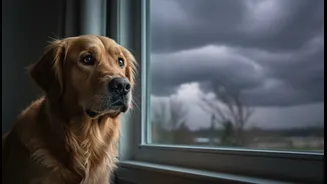
One of the most significant ways pets anticipate a storm is by detecting changes in barometric pressure. As a storm system approaches, the weight of the air, or atmospheric pressure, drops. Humans might feel this as a headache or joint pain, but we often
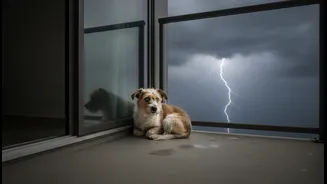
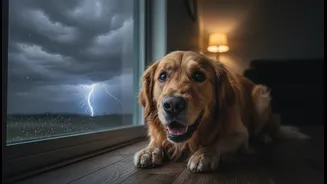
don't consciously connect it to the weather. For dogs and cats, this is a much more pronounced sensation. Their sensitive ears and sinuses can feel this shift, creating a sense of unease or physical discomfort long before the sky turns dark. This early warning can trigger anxious behaviours like restlessness and clinging to their owners as they sense something in their environment is changing.
Hearing the Unheard
A pet's sense of hearing is far more acute than ours. Thunderstorms produce low-frequency sounds, or infrasound, as they move and develop. These rumbles are too deep for human ears to perceive, but dogs and cats can hear them from miles away. What seems like your dog barking at nothing might actually be them reacting to the distant, unheard vibrations of an approaching storm. This auditory input, combined with the pressure changes, confirms for them that something significant is on its way, often leading them to seek out small, enclosed spaces where they might feel safer.
Feeling the Static Charge
Lightning and thunderstorms generate a significant amount of static electricity in the atmosphere. Researchers believe that pets, particularly those with thick or long fur, can feel this static buildup on their bodies. It can be an uncomfortable, and sometimes even painful, sensation, akin to receiving small static shocks. This might explain why many pets seek refuge in grounded locations during a storm, such as bathrooms, basements, or near pipes. The porcelain of a bathtub or the metal of pipes can help to ground the electrical charge, offering them physical relief from the unpleasant feeling in the air.
Reading Their Human's Cues
Pets are masters at observing human behaviour. They are incredibly attuned to our emotional states and can pick up on subtle signs of stress we may not even be aware of ourselves. If you have a fear of storms, your body might tense up, your breathing could change, or you might speak in a slightly different tone. Your pet will notice these cues. This concept, known as emotional contagion, means your anxiety can be transferred to your pet, reinforcing their belief that the approaching storm is something to fear. When their senses are telling them a storm is coming and their trusted human seems worried, it amplifies their own anxiety.
How to Help Your Anxious Pet
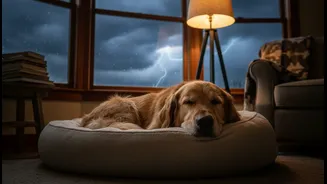
Understanding why your pet is scared is the first step; helping them is the next. Create a 'safe space' for them, like a crate with an open door or a cosy bed in a quiet room, filled with familiar blankets and toys. Playing soft music or turning on the television can help mask the sound of distant thunder. It's also vital to manage your own anxiety, as your calm demeanor can be reassuring. For pets with severe phobias, pressure wraps like a ThunderShirt can provide a comforting, swaddling sensation. In cases of extreme distress, it is always best to consult with a veterinarian who can offer further behavioural strategies or medical options.