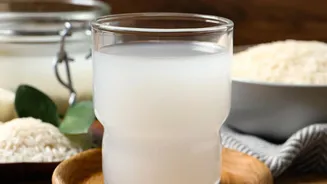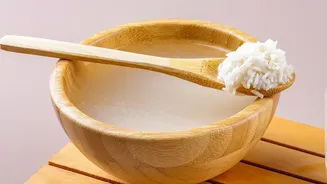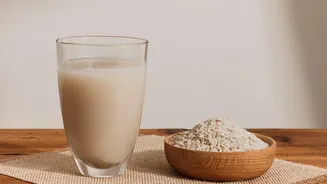





What Exactly Is Fermented Rice Water?
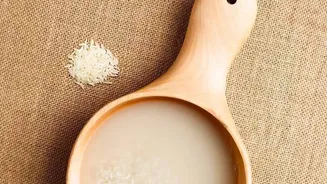
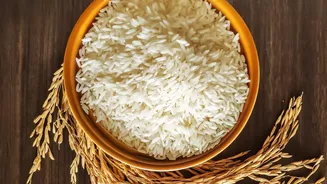
Fermented rice water is the starchy liquid left over after soaking or cooking rice, which is then allowed to sit for a day or two. During this time, a natural fermentation process begins, enriching the water with beneficial microorganisms. This isn't
a new discovery but a long-standing tradition in many parts of Asia. In India, variations of this nutrient-dense liquid are known as 'kanji', 'pazhaya kanji', or 'torani'. For centuries, it has been consumed as a nourishing drink to aid digestion, boost energy, and provide hydration, especially in rural households. The fermentation transforms the simple starchy water into a complex liquid teeming with vitamins, minerals, and probiotics.
The Ancient Secret to Lustrous Hair
The most well-known application of fermented rice water is for hair care, a practice popularized by the Yao women of China, who are famous for their exceptionally long and healthy hair. The magic lies in its composition. Rice water is rich in inositol, a carbohydrate that can penetrate damaged hair and repair it from the inside out, while also protecting it from future damage. The fermentation process lowers the pH of the water to be closer to that of our hair, helping to seal the cuticles for added smoothness and shine. Furthermore, it is packed with amino acids, the building blocks of protein, as well as vitamins B and E. This nutrient cocktail works to strengthen hair strands, reduce breakage, improve elasticity, and leave hair feeling soft and manageable.
A Probiotic Powerhouse for Gut Health
While the hair benefits are widely touted online, the internal benefits for gut health are just as significant. The fermentation process turns rice water into a natural probiotic drink, cultivating beneficial bacteria like Lactobacillus. These microorganisms are essential for maintaining a healthy gut microbiome, which is crucial for good digestion, nutrient absorption, and a strong immune system. Studies from Indian medical institutions have highlighted its effectiveness. Research has shown that consuming fermented rice porridge helps increase the bioavailability of minerals like iron, making it beneficial for those with anaemia. It has also shown promise in soothing gut inflammation and providing relief for individuals with conditions like Irritable Bowel Syndrome (IBS).
How to Prepare It at Home
Making fermented rice water is surprisingly simple. For a hair rinse, first, rinse half a cup of uncooked rice to remove any impurities. Then, soak the rice in two to three cups of water for at least 30 minutes. Strain the water into a clean jar and leave it at room temperature for 24 to 48 hours. When it starts to smell slightly sour, the fermentation is complete. It is potent, so you should dilute it with clean water before using it as a final rinse after shampooing. For consumption, the traditional Indian method involves taking leftover cooked rice, submerging it in water in a clay pot, and letting it sit overnight. The next morning, the water (and sometimes the rice) is consumed, often with a pinch of salt or a dash of buttermilk.
A Reality Check from the Experts
Despite its popularity and traditional backing, it is important to approach fermented rice water with a balanced perspective. Many dermatologists note that while it can coat the hair shaft to reduce friction, there is limited scientific evidence to conclusively prove it stimulates hair growth. Moreover, homemade preparations can have inconsistent pH levels, and overuse can lead to 'protein overload', making hair feel stiff and brittle. When consuming rice water, hygiene is paramount to prevent the growth of harmful bacteria. Nutritionists advise that while it's a good source of probiotics, it should be consumed in moderation and not as a replacement for a balanced diet. It is a supportive remedy, not a miracle cure for chronic health issues.