




Diwali is synonymous with the joy of sharing mithai, but growing health awareness has many seeking mindful alternatives. This year, embrace the trend of guilt-free indulgence by swapping refined sugar for the natural goodness of nuts and fruits.
A Tradition of Mindful Indulgence
The shift
towards healthier eating has found a permanent place on the Indian festive calendar. For Diwali 2026, the focus is less on restriction and more on smart substitution. Many are rediscovering that traditional sweet-making, before the widespread use of refined sugar, often relied on ingredients like jaggery, dates, and nuts for flavour and richness. This modern-day return to wholesome ingredients allows families to enjoy classics without the sugar crash, creating desserts that are both delicious and nourishing. The goal isn't to eliminate sweets, but to make them better, using ingredients that offer nutritional benefits.
Fruits: Nature’s Answer to Sweet Cravings
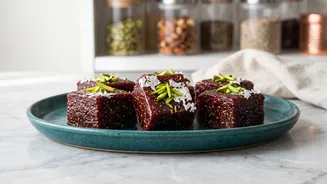
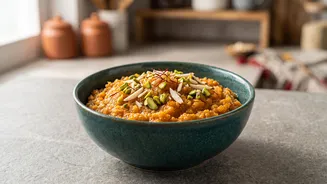
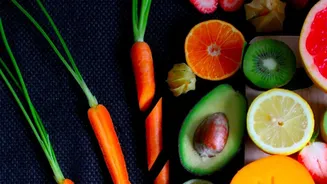
Dried fruits are the stars of the health-conscious Diwali kitchen, offering sweetness, fibre, and a host of nutrients. Dates and figs, in particular, are excellent binders and sweeteners for a variety of sweets. Think of a decadent 'Dry Fruit Barfi' where a paste of dates and figs is mixed with chopped nuts, creating a rich, chewy texture without a single grain of refined sugar. Similarly, a classic 'Gajar Ka Halwa' can be transformed by using grated carrots, milk, and chopped dates for sweetness, delivering flavour and nutrients in every spoonful. Even desserts like mousse can get a healthy twist with figs, offering a creamy, velvety treat.
Nuts: The Powerhouse of Flavour and Health
Nuts like almonds, cashews, pistachios, and walnuts are the backbone of many festive sweets, providing healthy fats, protein, and a satisfying crunch. They are incredibly versatile and form the base of many modern, health-focused recipes. 'Date and Nut Laddoos' are a popular choice, combining the caramel-like sweetness of dates with the coarse texture of roasted nuts for an energy-boosting treat. Another innovative option is a 'Ragi and Almond Barfi', which blends the earthy flavour of ragi flour with the richness of almond powder, all bound together with a touch of ghee and a natural sweetener like jaggery. These sweets are not only lower in sugar but also more satiating.
Reinventing the Classics for Modern Tastes
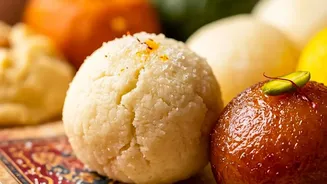
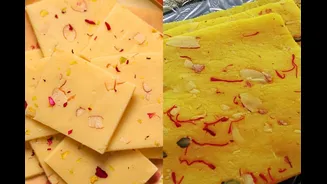
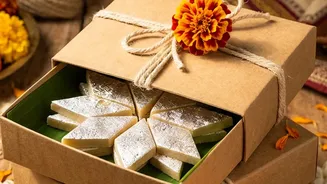
You don't have to give up on your favourites to have a healthier Diwali. Many classic recipes can be easily adapted. 'Kaju Katli', a festival staple, can be made by creating a dough from cashew powder and a natural sweetener syrup, completely avoiding refined sugar. 'Besan Laddoos' can be prepared by roasting gram flour in ghee until aromatic and then adding a sugar alternative and cardamom. Even 'Coconut Barfi' can be made simply by combining coconut and nuts with condensed milk or a jaggery syrup, skipping the need for extra sugar and frying. The key is to focus on whole ingredients that provide flavour and texture naturally.
Tips for Your Festive Sweet Platter
Creating a balanced and appealing Diwali platter is simple with a few smart strategies. Offer a variety that includes one or two traditional favourites alongside lighter, nut-and fruit -based options so there's something for everyone. When preparing sweets, use natural sweeteners like date paste or jaggery, but remember that moderation is still key. Adding nuts and seeds enhances nutrition and makes treats more satisfying. Finally, consider portion sizes. Making miniature laddoos or cutting barfi into smaller squares allows guests to sample different sweets without overindulging.