

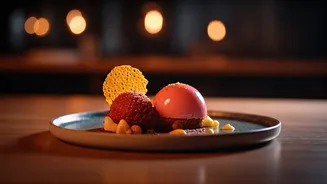


Dining for the 'Gram
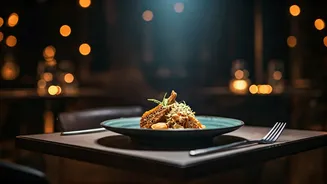
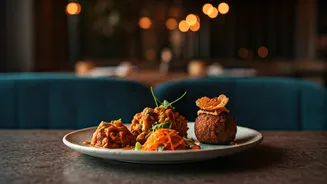
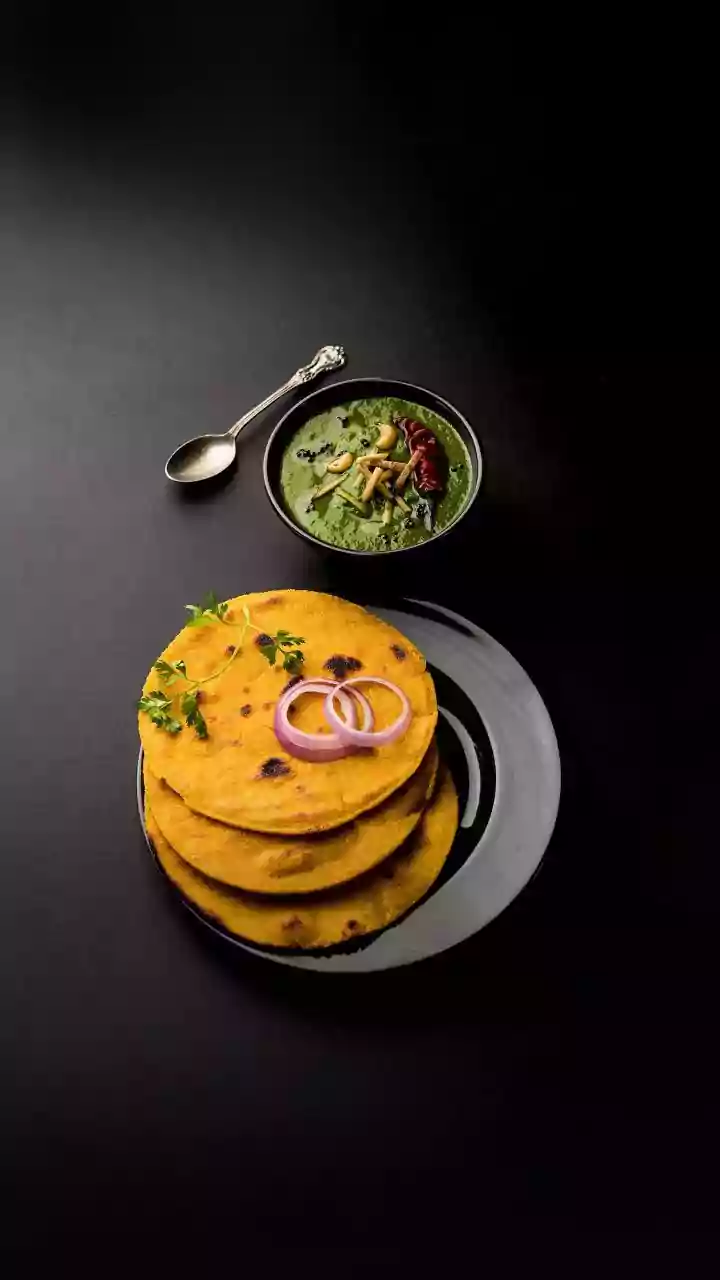
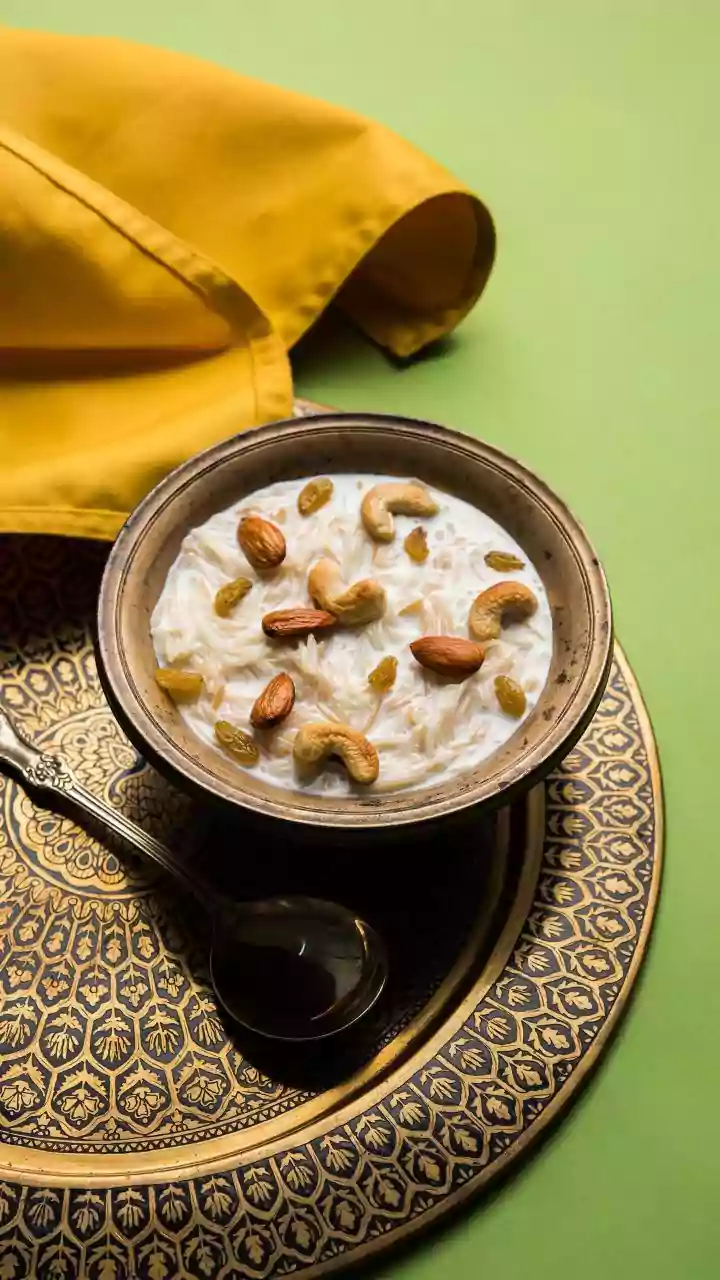
The single biggest catalyst for this shift is in your pocket. Social media, particularly Instagram, has turned every diner into a food critic and an amateur photographer. A 2018 study found that 69% of millennials take a photo of their food before eating.
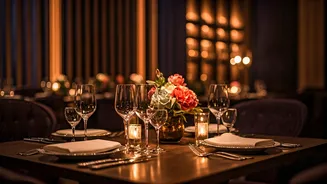
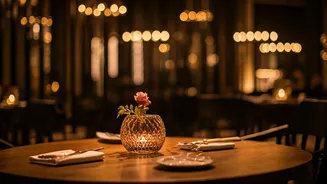
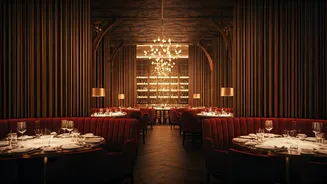
This has compelled restaurateurs and designers to think visually, creating spaces that are inherently 'Instagrammable'. From dramatic neon signs and lush green walls to patterned tiles and custom-made furniture, every element is now a potential backdrop. This isn't just about vanity; it's free, powerful marketing. A viral post about a restaurant's stunning decor can drive more foot traffic than a traditional review, with diners eager to capture that same social media moment. In this visually-driven world, a restaurant's aesthetic is a key part of its brand identity and a major draw for customers.
The Rise of Experiential Dining
Beyond social media, there's a broader cultural shift towards the 'experience economy'. Modern diners, especially Gen Z and millennials, are willing to pay more for a unique and memorable outing. It’s no longer enough to just serve a delicious meal; restaurants are now crafting immersive experiences. This trend, known as experiential dining, is about engaging all the senses. Think of themed pop-ups, multi-sensory light and sound shows, open kitchens that provide a theatrical element, and even unusual locations that transport you to another world. According to one report, 55% of consumers say the overall experience is more important than the food itself when dining out. The goal is to create a story or a narrative that makes the meal feel like an event, an escape from the everyday that can't be replicated at home.
When Designers Are the New Chefs
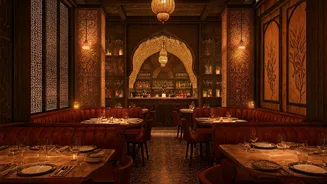
As ambiance takes centre stage, interior designers are becoming as celebrated as celebrity chefs. Their work is no longer just about arranging tables and chairs but about crafting a restaurant's very soul. Top design firms are now sought after to create signature, narrative-driven environments that reflect a chef's culinary philosophy. In India, the trend is moving towards luxury-led concepts where sophisticated design tells a story. Experts predict a rise in human-centric, flexible spaces that incorporate elements like biophilic design (integrating nature), sustainable materials, and adaptable lighting to change the mood from day to night. This elevates the designer from a contractor to a key creative partner, whose vision is essential to the restaurant's success.
A Feast for All Senses
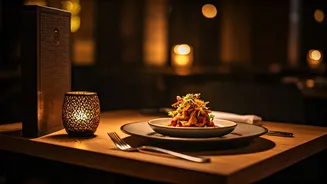
So, does this mean the food no longer matters? Not at all. A stunning design might attract a customer once, but bad food will ensure they never return. The new reality isn't about design replacing food, but about the two working in harmony to create a holistic experience. Research has even shown that a beautiful environment can positively influence our perception of taste. A well-designed space enhances the meal, setting the mood and creating a sense of occasion that makes the food feel more special. The most successful restaurants understand this balance. They know that while an Instagram-worthy aesthetic can get people through the door, it's the combination of a captivating atmosphere and excellent food that creates loyal customers and lasting success. The spotlight hasn't been stolen; it's now being shared.