

The Living Magic in Our Kitchens
Before refrigeration became commonplace, Indian households relied on natural processes to preserve food. Fermentation, a technique where microorganisms like bacteria and yeast break down sugars and starches, was a cornerstone of this culinary wisdom.
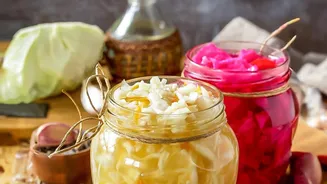
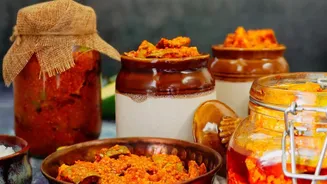
This process is the secret behind the tangy depth of dahi, the airy texture of idlis, and the sharp bite of a homemade pickle. It's a slow, natural transformation that not only extends the shelf-life of food but also profoundly enhances its flavour, aroma, and nutritional value. While it may seem like a complex science, fermentation is a daily ritual in many Indian homes—a batter left to rise overnight, a jar of pickles sunning on a balcony, or a simple bowl of milk setting into curd.
More Than Just Achar and Dahi
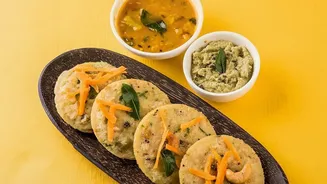
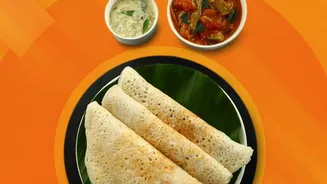
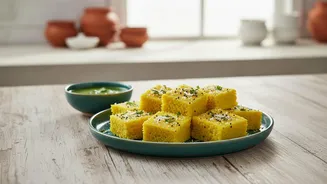
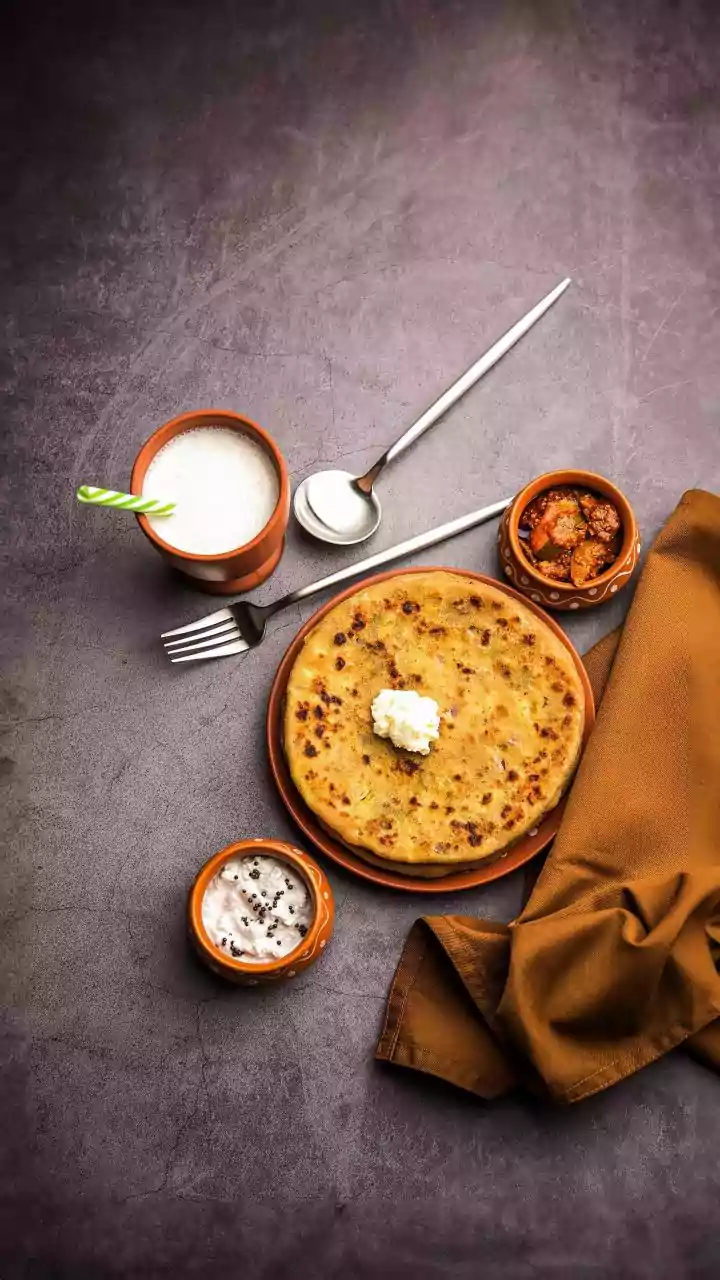
While pickles (achar) and curd (dahi) are the most famous examples, India's repertoire of fermented foods is incredibly diverse. South India's cuisine is built on batters of fermented rice and lentils, which create iconic dishes like the fluffy, steamed idli and the crisp dosa. In Gujarat, a similar principle is used for dhokla, where a fermented batter of gram flour is steamed into a spongy, savoury cake. Beyond batters, there are fermented drinks like Kanji, a tangy North Indian beverage made from black carrots and mustard seeds, traditionally enjoyed in winter. In the East, Panta Bhat, or leftover rice soaked in water overnight, undergoes a mild fermentation to become a cooling summer meal. Even leafy greens and bamboo shoots are fermented in regions like Sikkim to create tangy side dishes like Gundruk.
A Boost for Flavour and Health
The appeal of fermentation goes far beyond preservation. The process unlocks complex flavours that are impossible to replicate, adding a distinct tangy or umami taste. More importantly, it acts as a form of pre-digestion, breaking down complex carbohydrates and proteins, making foods like idli and dosa easier on the stomach. Fermented foods are rich in probiotics, the beneficial bacteria that support a healthy gut microbiome. A balanced gut is linked to better digestion, stronger immunity, and reduced inflammation. The process also increases the bioavailability of essential nutrients, meaning our bodies can more easily absorb vitamins and minerals like B-vitamins and iron from the food we eat.
Your First Foray Into Fermentation
Embracing fermentation at home doesn't require special equipment, just a little patience. The easiest place to start is with something you're already familiar with. Making dahi at home simply involves adding a spoonful of existing curd (as a starter) to warm milk and letting it rest in a warm place for several hours. Another simple entry point is a basic vegetable pickle. Traditional Indian pickles are often lacto-fermented in salt, oil, and spices, unlike store-bought versions that rely on vinegar. For those ready to try batters, idli or dosa is a rewarding project. The process involves soaking rice and lentils, grinding them into a paste, and allowing the batter to ferment in a warm spot for 8 to 16 hours until it becomes airy and slightly sour. The key is to trust the process and provide the right warm environment for the friendly microbes to do their work.