



What is This Superfood Called Sattu?
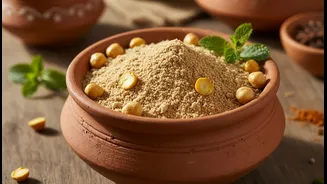
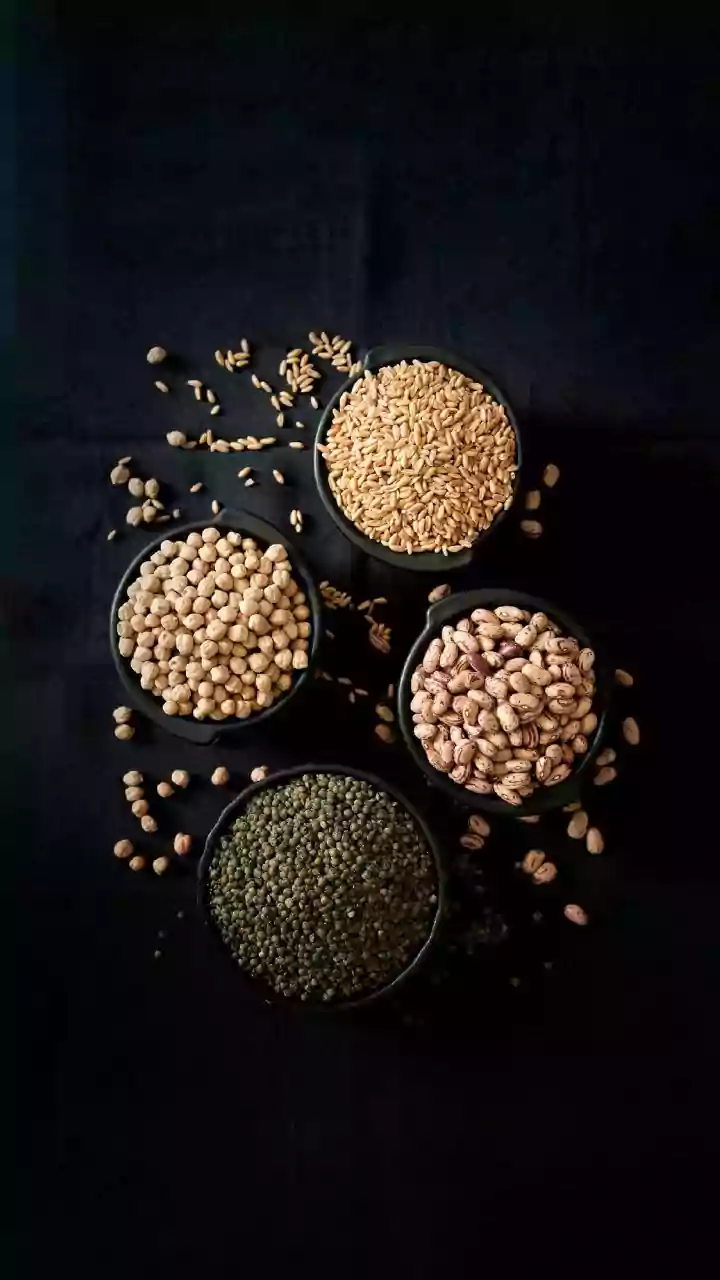
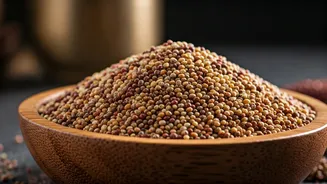
Often called the ‘poor man’s protein’, sattu is a flour made from roasted Bengal gram (kala chana). A long-standing staple in states like Bihar, Uttar Pradesh, and Punjab, this powerhouse ingredient has been fueling farmers and labourers for centuries.
The process of dry roasting the chickpeas before grinding them into a fine powder gives sattu a unique nutty flavour and makes it easy to digest. Unlike many modern health fads, sattu is an affordable, accessible, and deeply traditional food that is now being rediscovered for its incredible nutritional benefits.
A Natural Plant-Based Protein Powerhouse
One of sattu's most celebrated benefits is its high protein content. On average, 100 grams of sattu can contain about 20-25 grams of protein, making it an exceptional source for vegetarians, vegans, and fitness enthusiasts. This plant-based protein is crucial for muscle repair, growth, and providing sustained energy. Unlike whey protein, sattu is a whole food, free from artificial additives. A single glass of sattu sharbat can provide a significant portion of your daily protein needs, helping you stay full and energized throughout the day.
Nature's Own Cooling System
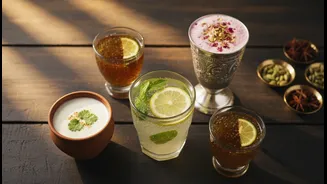
Beyond its protein content, sattu is renowned for its natural cooling properties. During India's scorching summers, a glass of sattu sharbat is more than just a drink; it's a traditional remedy to combat the heat. It helps regulate body temperature from within, offering protection against heatstroke and dehydration. Sattu is also rich in essential electrolytes like potassium and magnesium, which help replenish the minerals lost through sweat, making it a far healthier and more effective hydrator than sugary sodas.
More Than Just Protein and Cooling
The benefits of sattu don’t stop there. It is incredibly rich in dietary fibre, both soluble and insoluble. This high fibre content aids digestion, prevents constipation, and helps maintain a healthy gut. The fibre also promotes a feeling of fullness, which can help with weight management. Furthermore, sattu has a low glycaemic index, meaning it releases sugar into the bloodstream slowly. This makes it an excellent food for managing blood sugar levels. It's also a good source of essential minerals like iron, calcium, and magnesium, supporting everything from bone health to fighting fatigue.
Easy to Make: Sweet or Savoury Sharbat
The beauty of sattu lies in its versatility. The most popular way to consume it is as a sharbat, which can be made sweet or savoury in minutes. For a savoury (namkeen) version, mix a few tablespoons of sattu in chilled water. Add black salt, roasted cumin powder, and a generous squeeze of lemon juice. You can also add finely chopped onions, mint, and coriander for extra flavour and texture. For a sweet (meetha) version, simply mix the sattu powder with chilled water and jaggery or sugar to taste. Both versions are quick, require no cooking, and offer a refreshing burst of energy.
Embracing Sattu in Modern Times
While the traditional sharbat remains a favourite, sattu is finding its way into modern kitchens in creative new forms. It's being used to make everything from protein-rich rotis and parathas to nutritious laddoos and even smoothies. You can add a spoonful to your regular smoothie with a banana and plant-based milk for an extra protein kick. Some people even use it to make a healthy breakfast cheela by mixing it with besan. This adaptability ensures that the ancient superfood can easily fit into a contemporary, health-conscious lifestyle.