



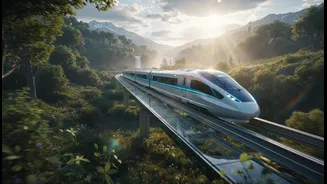


How Exactly Do Hydrogen Trains Work?
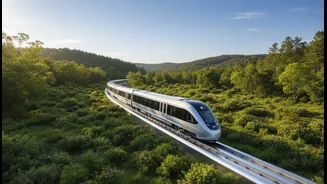
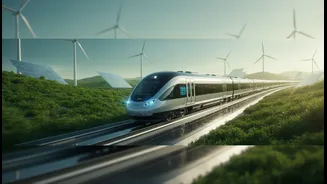
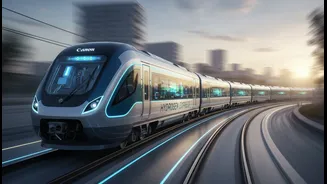
Think of a hydrogen train as a self-contained, rolling power plant. Instead of burning diesel or drawing power from overhead electric lines, it uses hydrogen fuel cells. In these cells, hydrogen stored in onboard tanks is combined with oxygen from the air.
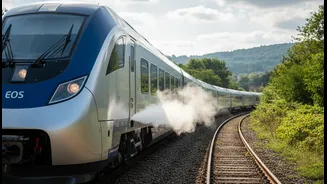
This electrochemical reaction produces electricity to power the train's motors, with the only byproduct being pure water vapour. This means zero carbon emissions, no smoke, and a significantly quieter ride compared to their diesel counterparts. The electricity can also be stored in batteries to provide extra power when needed, like during acceleration.
India's Blueprint for a Hydrogen-Powered Future
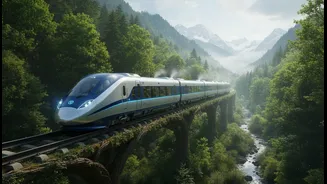
Indian Railways is moving from theory to practice with a clear plan. The country's first indigenous hydrogen train is set to be inaugurated on July 17, 2026, running on the Jind-Sonipat route in Haryana. This pilot project, involving a retrofitted 10-coach train, is a crucial first step. It's part of a broader vision called 'Hydrogen for Heritage,' which aims to deploy 35 hydrogen trains, initially on scenic and ecologically sensitive heritage routes like the Kalka-Shimla line. The idea is to replace polluting diesel engines in these pristine environments first, creating a template for wider adoption and supporting the 'Make in India' initiative by developing indigenous technology.
The 'Green' in Green Hydrogen
For these trains to be truly climate-smart, the source of the hydrogen matters immensely. Not all hydrogen is created equal. 'Grey' hydrogen, the most common type, is produced using fossil fuels and releases carbon dioxide. The ultimate goal is 'green' hydrogen, which is made by splitting water using electricity from renewable sources like solar or wind. India’s National Green Hydrogen Mission is a massive push to make the country a global hub for producing this clean fuel. The success of hydrogen trains is directly linked to the success of this mission, as only green hydrogen ensures a genuinely zero-emission travel cycle, from production to propulsion.
Challenges on the Track
The journey to a hydrogen-powered rail network is not without its obstacles. The primary challenge is cost. Both the hydrogen fuel cell technology and the creation of green hydrogen are currently expensive compared to existing options like diesel or full electrification. Building the necessary infrastructure for producing, storing, and refuelling with hydrogen across a vast network is a monumental and costly task. Safety protocols for handling highly flammable hydrogen also require significant investment and training. While the pilot on the Jind-Sonipat route is a landmark achievement, scaling it up to cover a significant portion of India's non-electrified routes will require overcoming these significant economic and logistical hurdles.
Why This Is More Than Just a Train
The launch of a hydrogen train is more than just a new piece of railway hardware; it's a statement of intent. It positions Indian Railways as a key player in achieving India's ambitious climate goal of reaching Net Zero emissions by 2070. For routes where full electrification is difficult or too expensive, such as hilly terrains or heritage lines, hydrogen offers a practical, clean alternative to diesel. The successful implementation of this technology will not only reduce pollution but also decrease the nation's reliance on imported fossil fuels. It signals a move towards energy independence and technological leadership, placing India among a select group of nations pioneering this clean transport solution.