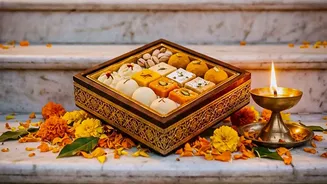


The aroma of freshly made mithai is the scent of Diwali. But as we become more mindful of our health, the festive season can feel like a choice between tradition and well-being. It doesn't have to be. Here’s how to enjoy your favourites.
Swap Refined Sugar for Natural Sweeteners
The most significant
change you can make is moving away from refined white sugar. Traditional and natural sweeteners not only add sweetness but also bring their own unique flavours and nutrients. Jaggery (gur) is a classic choice, offering an earthy, caramel-like flavour that works beautifully in ladoos and halwa. It contains minerals like iron and is less processed than white sugar. For sweets like kheer or barfi, a paste made from dates or figs provides natural sweetness along with fibre. These options bind ingredients well, making them perfect for energy balls or dry fruit-based mithai. For those managing their sugar intake closely, zero-calorie sweeteners like stevia or monk fruit extract can be used, though they are best used sparingly and may alter the texture.
Replace Refined Flour with Wholesome Grains
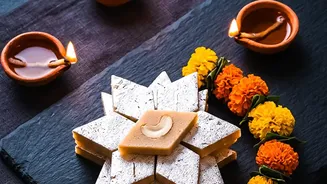
Many Diwali sweets use maida (refined flour), which is stripped of its fibre and nutrients. Healthier alternatives are readily available in most Indian kitchens. Whole wheat flour (atta) is a simple 1:1 substitute that adds a nutty flavour and fibre to recipes like atta halwa or pinni. Besan (gram flour) is a naturally gluten-free, high-protein flour that is the star of classics like Besan Ladoo and Mysore Pak. For a modern twist, consider millets. Flours made from ragi (finger millet) or jowar (sorghum) are packed with calcium and fibre, perfect for making halwa or barfi. Almond or coconut flour are other great low-carb, nutrient-dense options that can be used for barfis and gluten-free sweets.
Choose Good Fats Over Unhealthy Ones
Ghee is a traditional fat used in mithai, but moderation is key. You can reduce the quantity of ghee and supplement it with other healthy fats. Nuts like almonds and walnuts are a fantastic addition, providing healthy unsaturated fats, protein, and a satisfying crunch. Walnuts, in particular, are rich in good fats that help lower cholesterol. In some recipes, you can partially substitute ghee with coconut oil, which also has health benefits and works well in sweets like ladoos. Using nuts and seeds not only improves the nutritional profile but also adds texture, making the sweets more satisfying in smaller portions.
Bake or Air Fry Instead of Deep Frying
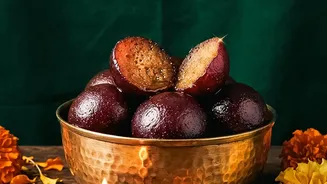
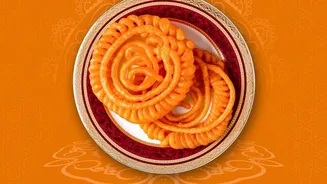
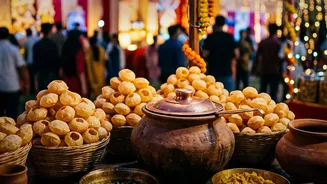
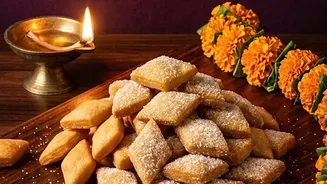
Many beloved Diwali snacks and sweets like gulab jamun and gujiya are traditionally deep fried. This method adds a significant amount of oil and calories. A fantastic modern swap is to bake or air fry them instead. For gujiyas, brushing them with a little ghee and baking them at around 180°C can result in a crisp, golden shell without the excess oil. Even gulab jamuns can be baked or made in an appe pan before being soaked in syrup. While the texture might be slightly different, this swap dramatically reduces the fat content, making your festive treats much lighter and healthier.
Enhance Flavour with Spices, Not Just Sugar
Often, the deliciousness of a sweet comes from its aromatic spices. By amplifying these flavours, you can reduce the amount of sugar needed without anyone noticing. Generously use spices like cardamom, saffron, nutmeg, and cinnamon. A hint of rose water or kewra can also elevate a simple kheer or barfi. Roasting your flours and nuts properly before use also deepens their natural flavour, creating a richer taste profile that doesn't rely solely on sweetness. This simple technique makes the final product more complex and satisfying, allowing you to cut back on sweeteners while boosting flavour.