







The All-or-Nothing Cycle
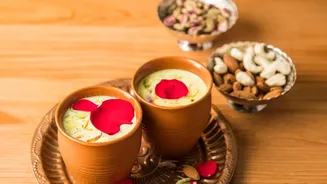
For many, festivals like Diwali, Christmas, and Eid are synonymous with feasting. We connect with loved ones over tables laden with traditional sweets and savoury delights. Yet, this season of joy often comes with a side of anxiety, followed by guilt.
This is the binge-restrict cycle: a pattern of overeating, often to the point of discomfort, followed by a period of intense dietary restriction to “compensate”. This mindset frames food in black-and-white terms as either “good” or “bad”. Indulgence feels like a failure of willpower, and the subsequent restriction feels like a necessary punishment. This yo-yo approach to eating can be detrimental, leading to a strained relationship with food and your body, where festive moments become less about celebration and more about food-related stress.
Why Punishment-Based Diets Fail
The impulse to “get back on track” after a period of indulgence is strong, but restrictive dieting often backfires. When you severely limit your intake or declare certain foods entirely off-limits, your body's survival instincts can kick in. This deprivation increases cravings and can make you preoccupied with the very foods you are trying to avoid, often leading to another episode of overeating. This cycle can negatively impact your metabolism and lead to nutritional imbalances. Psychologically, it reinforces feelings of guilt and shame, creating a loop that's difficult to break. Experts note that this pattern of gaining and losing weight can make it harder to maintain a lower weight over time, as the body adapts to what it perceives as its peak weight.
The Rise of Mindful Flexibility
A healthier, more compassionate alternative is gaining traction: flexible eating. This approach, rooted in principles of intuitive and mindful eating, ditches the rigid rules. It’s not a diet but a mindset shift focused on balance, awareness, and self-trust. Instead of forbidding festive treats, it encourages you to savour them without guilt. The core idea is to listen to and honour your body’s natural hunger and fullness cues. Research shows that mindful eating can reduce emotional eating and improve your overall relationship with food. It’s about giving yourself unconditional permission to eat, which helps to neutralise the power that forbidden foods hold over you. This allows you to truly enjoy the social and cultural aspects of festive meals without the accompanying stress.
Making Peace With Your Plate
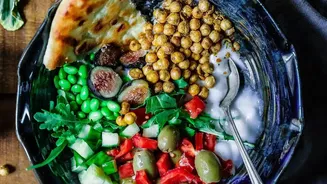
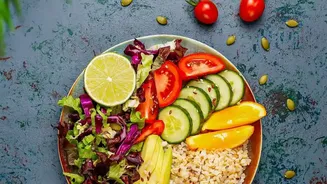
Adopting a flexible approach during the festive season is about small, conscious choices, not perfection. A key strategy is to avoid skipping meals to “save” calories for a big feast later, as arriving at a party ravenously hungry makes overeating more likely. Eating a protein-rich snack or meal beforehand can help stabilise hunger. At the event, survey the options and consciously choose the dishes you will enjoy most, rather than mindlessly grazing. Practice mindful eating by slowing down, putting your fork down between bites, and truly tasting your food. This gives your brain time to register fullness, which takes about 20 minutes. Also, focus on what you can add to your plate, like filling half of it with colourful vegetables, rather than just thinking about what to subtract.
An Everyday Mindset for Lasting Wellbeing
The true strength of a flexible approach is that it extends far beyond the festive calendar. It’s a sustainable way to build a healthy and peaceful relationship with food all year round. By moving away from an “all-or-nothing” mentality, you learn to navigate everyday food choices with less stress and more enjoyment. This involves rejecting the diet mentality and the notion that you must “earn” your food through exercise or restriction. Instead, the focus shifts to consistent nourishment, listening to your body, and treating yourself with kindness. It’s about finding a rhythm that includes both nutrient-dense foods and your favourite indulgences, recognising that all foods can fit into a balanced lifestyle. This compassionate approach fosters long-term physical and mental wellbeing, allowing you to celebrate life’s moments freely and joyfully.