




The Burning Problem with EV Batteries
The heart of every electric vehicle is its lithium-ion battery pack. While incredibly efficient, these batteries rely on a liquid organic solvent as an electrolyte to shuttle ions between the anode and cathode. This liquid is volatile and flammable. If
a battery cell is damaged, overcharged, or has a manufacturing defect, it can lead to a dangerous situation called 'thermal runaway'. This is a rapid, self-sustaining chain reaction where the cell's temperature skyrockets, causing the flammable electrolyte to catch fire. In a tightly packed EV battery, this can spread from one cell to the next, creating an intense fire that is notoriously difficult to extinguish. This fundamental safety concern has been a significant hurdle for wider EV adoption and a major focus for engineers and scientists worldwide.
A Breakthrough from the Fields
Researchers are now pioneering a revolutionary alternative: solid-state electrolytes made from biomass—essentially, plant matter and agricultural waste. One of the most promising materials is lignin, the natural polymer that gives wood its rigidity and acts like a glue holding plant cells together. Scientists have discovered that this abundant, renewable resource can be processed to create a stable, non-flammable electrolyte. Research from institutions like Michigan State University has shown that using wood waste can lead to significant safety improvements. Instead of a flammable liquid, these new electrolytes are solid, physically preventing the short circuits that can trigger thermal runaway and making the battery far more resistant to heat.
The Science of a Safer Battery
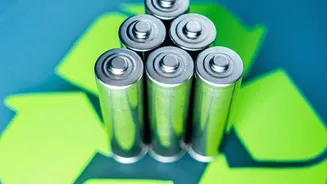
So, how does turning wood into a battery component prevent fires? The process involves transforming lignocellulosic biomass into a material that can function as a solid electrolyte. These materials, known as ionic liquids or solid-state conductors, have high thermal stability and are not flammable. They perform the essential function of allowing lithium ions to move, but without the fire risk associated with liquid solvents. A conventional plastic separator in a battery can melt under intense heat, leading to an explosion. In contrast, a lignin-based component can withstand heat far more effectively, acting as a robust barrier. This fundamentally changes the battery's chemistry from one that can fuel a fire to one that inherently resists it, a critical step toward what many hope will be truly 'fireproof' batteries. While no battery can be guaranteed never to fail, eliminating the flammable component dramatically reduces the risk of a catastrophic fire.
From Agricultural Waste to Automotive Power
The use of agricultural waste adds a powerful sustainability dimension to this technological leap. Lignin is a byproduct of the paper and pulp industry and is often treated as waste. Similarly, other forms of biomass like crop residues are available in massive quantities. Using these materials to build batteries creates a circular economy, turning low-value waste into a high-value, critical component for the green energy transition. This approach not only reduces our reliance on the finite resources and often environmentally damaging mining required for traditional battery components but also offers a more cost-effective production pathway. The ability to source raw materials from local agriculture and forestry residues could also strengthen domestic supply chains and reduce dependence on foreign imports for battery materials.
The Road Ahead for Plant-Based Batteries
While the technology is incredibly promising, it is still in the advanced stages of research and development. Recent studies have demonstrated not only the safety benefits but also performance improvements. Research published in the journal Advanced Materials noted that lignin-based batteries could last 60% longer in cycle life. However, scaling this technology from the lab to mass production for the global EV market is a significant undertaking. The technology is patent-pending, and researchers are working to refine the processes to ensure they are commercially viable and can meet the rigorous performance demands of the automotive industry. If successful, this innovation could solve two of the biggest challenges facing EVs: battery safety and the environmental footprint of battery production, paving the way for a truly sustainable transportation future.