
Art on a Himalayan Scale
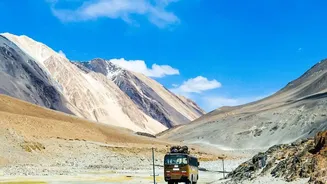
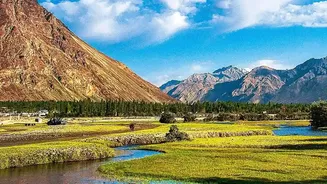
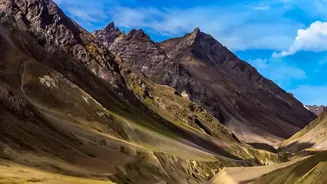
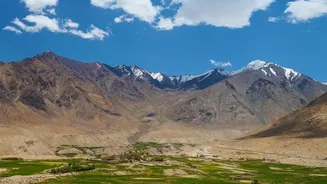
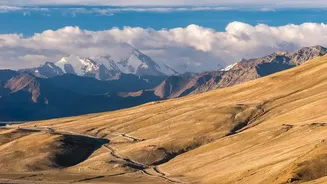
Forget white-walled galleries; Ladakh’s newest cultural experience asks you to step into the landscape itself. The sā Ladakh Biennale, which unfolds along a 230-kilometre corridor between Leh and Kargil, is an ambitious project that uses mountains, villages,
and ancient trade routes as its canvas. Taking place at altitudes above 3,000 metres, it stands as the world's highest regenerative art biennale. The name 'sā' is the Ladakhi word for 'soil,' a fitting title for an initiative grounded in land, ecology, and memory. Instead of confining art to a single space, the biennale scatters installations, film screenings, and workshops across eight distinct locations, including Leh, Lamayuru, Basgo, and Mulbekh. This unique format encourages visitors to travel slowly, turning the journey between artworks into an integral part of the experience.
A Celebration of Local and Global Voices
The project brings together artists from Ladakh and across the world to create site-specific works that respond to their unique surroundings. This year's edition features 19 artists whose creations engage with local histories, folklore, and the fragile Himalayan environment. Ladakhi artist Stanzin Wangail, for example, created a piece to celebrate the traditional headgear once worn by local women, paying tribute to a rich cultural identity. Another artist, Jigmet Angmo, draws on the folklore of Dungjonma, a witch-like figure, to explore themes of collapse and survival in a changing world. These artworks are not just placed in the landscape; they emerge from it, using locally sourced materials and low-impact practices. The result is a powerful dialogue between contemporary art and ancient heritage.
More Than an Exhibition
While the stunning visuals are a major draw, the sā Ladakh Biennale has a deeper purpose. It's a 'regenerative' event, meaning it's designed to give back to the land and the community. Founded in 2023, the initiative is focused on connecting artistic practice with ecological thinking and long-term community collaboration. By dispersing the art across multiple villages, it encourages a more sustainable form of tourism that moves beyond the popular hotspots. This model demonstrates how tourism can enrich a region's cultural fabric and support its environment rather than strain it. It represents a conscious shift away from conventional tourism, promoting a model where visitors can engage with the local culture and fragile ecosystem in a more meaningful and responsible way.
The Journey as the Destination
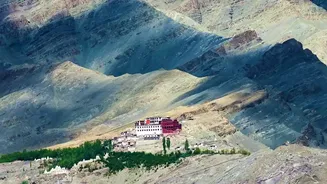
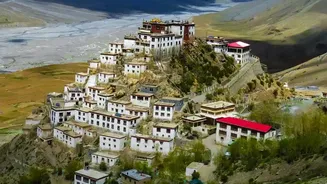
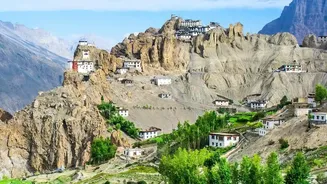
Experiencing the sā Ladakh Biennale is an adventure in itself. There are no tickets or formal opening ceremonies; visitors are encouraged to explore the sites at their own pace. The trail winds through some of Ladakh's most significant historical and cultural locations, offering backdrops that range from ancient monasteries to remote villages. This structure invites a more immersive journey, where the wind, altitude, and open skies become part of how each artwork is encountered. Organizers advise travelers to acclimatize for at least 48 hours in Leh due to the high altitude before venturing further along the art trail. This approach not only ensures visitor safety but also aligns with the biennale's philosophy of slow, mindful travel, allowing for a deeper connection with the land and its stories.