
From Heirloom to High Fashion
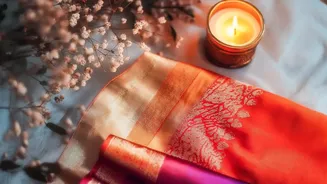
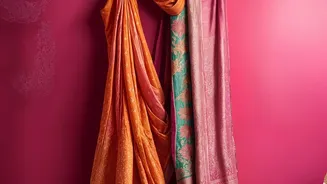
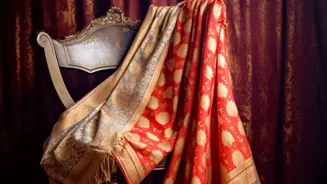
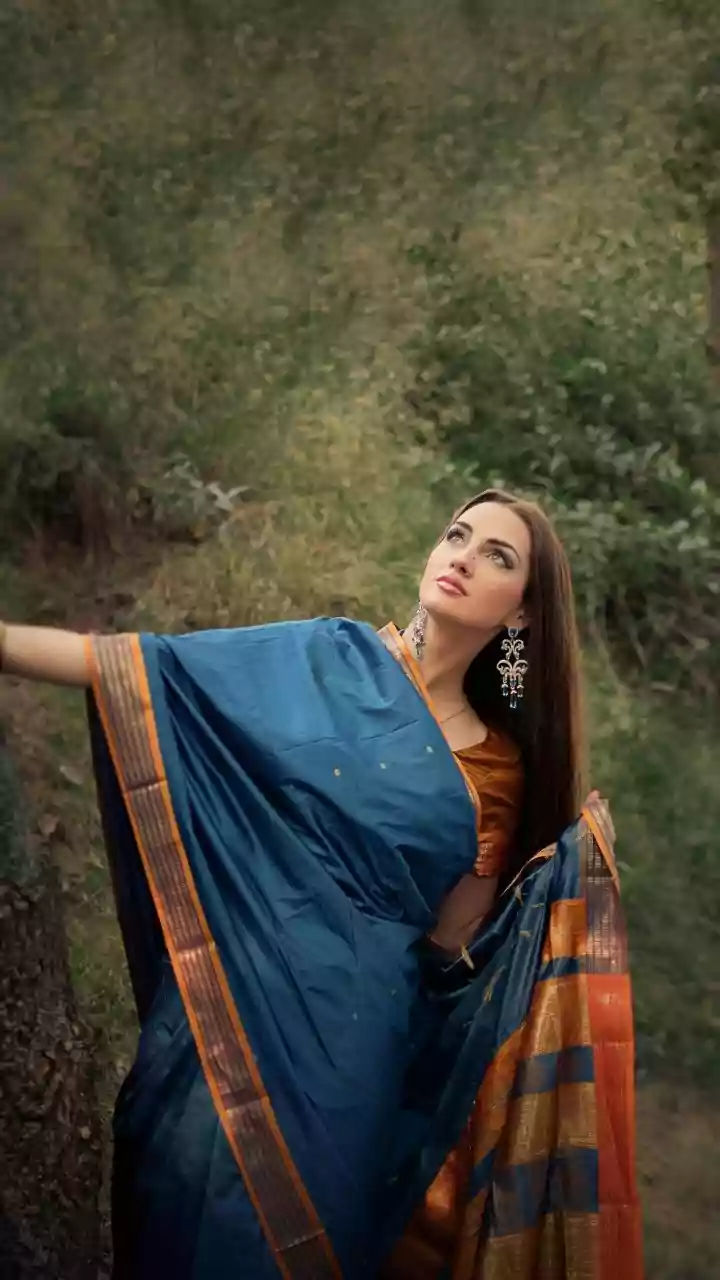
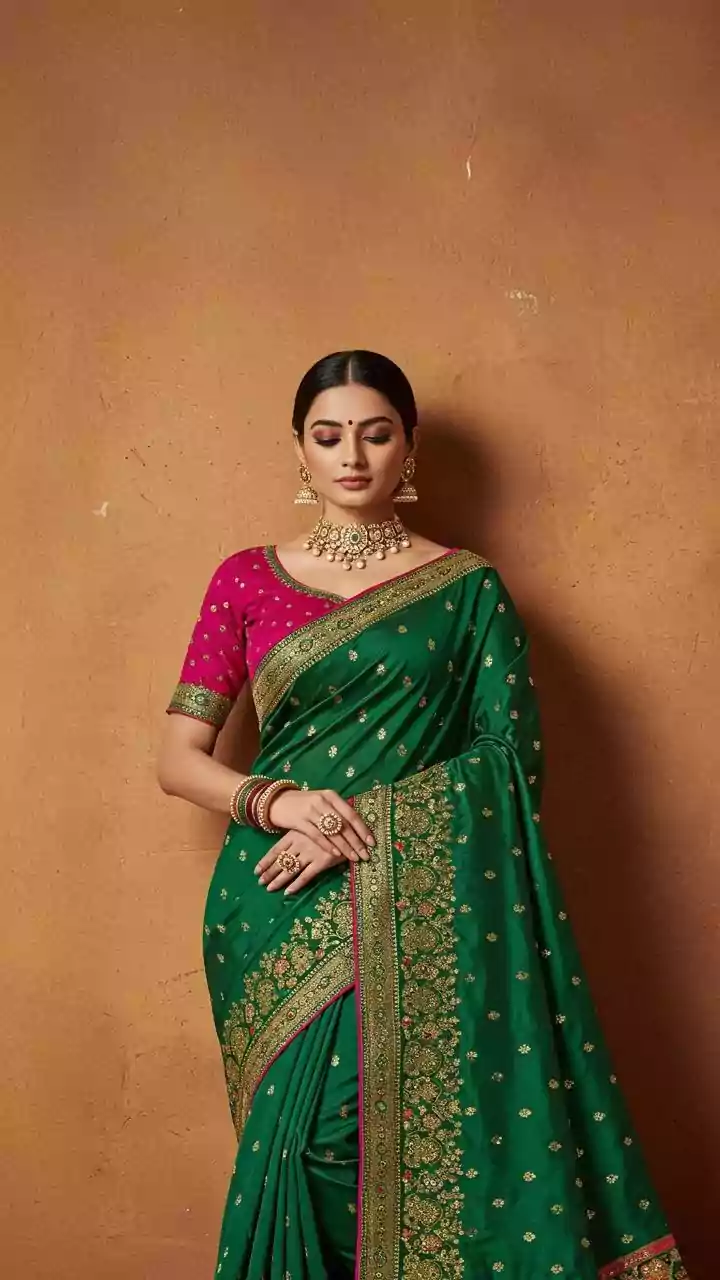
A quiet but powerful trend is taking hold among young, style-conscious Indians. They are looking into their family closets, not for vintage inspiration, but for the raw materials of their next outfit. Ancestral silk drapes, particularly old Banarasi,
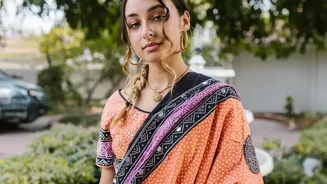
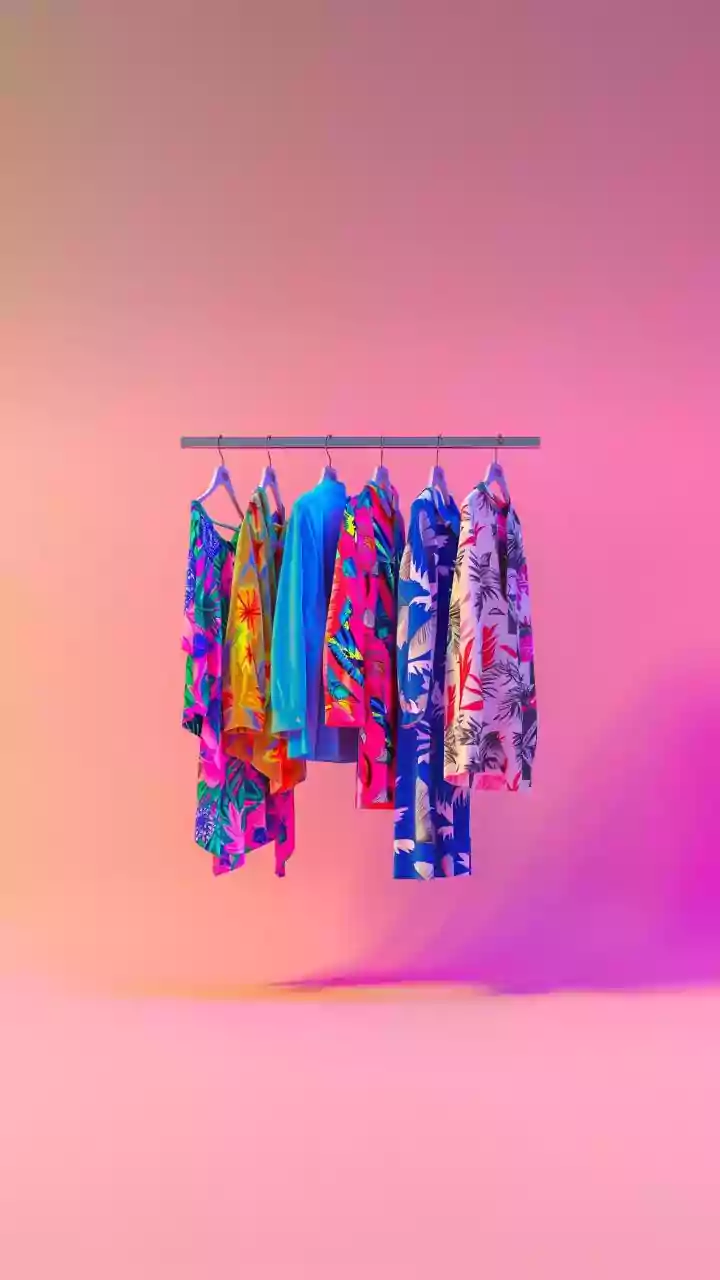
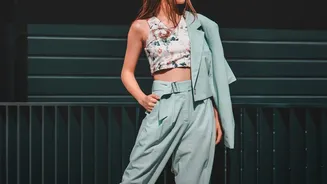
Kanjeevaram, and Chanderi sarees, are being given a second life. Instead of remaining folded away, these textiles are being meticulously cut and stitched into chic, modern co-ord sets—stylish matching tops and bottoms. This practice of upcycling is more than just a fashion statement; it's a creative bridge between the past and the present, transforming garments steeped in personal history into something entirely new and wearable. The trend sees intricate borders and pallus, once the highlights of a six-yard drape, cleverly repurposed as the hems, cuffs, or necklines of contemporary outfits like crop tops, palazzos, skirts, and jackets.
A Stitch of Sustainability and Sentiment
At its heart, this movement is driven by two powerful forces: sustainability and sentiment. In an era of fast fashion, the decision to reuse is a conscious one. Upcycling reduces textile waste and shrinks the carbon footprint associated with producing new clothes. For many, transforming a family saree is an act of sustainable fashion, giving a beautiful, durable fabric a longer lifecycle. But the emotional connection is just as significant. These are not just any fabrics; they are sarees worn by mothers at their weddings or by grandmothers on special occasions. Each thread carries a story and a sense of nostalgia. By creating a new garment, the wearer doesn't erase the memory but rather carries it forward in a form that fits their modern life and identity, making it a deeply personal and meaningful act.
The Creative Process
The transformation from a six-yard saree to a two-piece co-ord set is a thoughtful process. It often begins with carefully selecting a saree, considering its fabric, print, and emotional value. The design of the new outfit is planned around the saree's most beautiful elements, such as its decorative pallu or intricate borders. This is a collaborative effort, typically involving a skilled local tailor who understands how to handle delicate silk and preserve the integrity of the original weave. The result is a truly one-of-a-kind garment. Because each saree is unique, every co-ord set made from it is bespoke. This offers an alternative to mass-produced fashion, allowing individuals to wear something that is both deeply personal and guaranteed to be unique. Several homegrown labels and designers have also begun to champion this trend, offering services to customise and upcycle heirloom sarees for a new generation.
A New Language of Indian Fashion
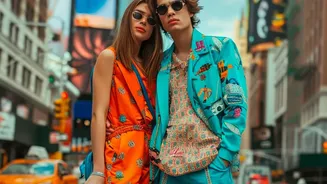
This trend speaks to a broader shift in modern Indian fashion. It reflects a generation that is confident in mixing tradition with contemporary style. Wearing a co-ord set made from a family saree is a statement of identity. It says that heritage is not something to be kept in a museum or worn only on specific festive occasions, but something to be lived in and integrated into everyday life. It’s a way of celebrating Indian craftsmanship and textiles while rejecting the idea that traditional wear must remain static. By pairing these upcycled sets with sneakers, modern jewellery, or casual accessories, young fashion lovers are creating a new, fluid style language. They are honouring their roots while confidently striding into the future, draped in stories of the past.