




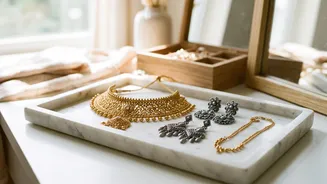
Understanding Gold Plating
Gold-plated jewellery consists of a base metal, such as copper or brass, that has been coated with a thin layer of gold through an electrochemical process. This layer is measured in microns, and its thickness determines the item's durability. Unlike solid
gold, which is non-reactive, the plating is susceptible to wear and tear. When the gold layer thins or gets scratched, the base metal underneath can become exposed and react with elements like oxygen, moisture, and chemicals, leading to tarnishing or discoloration. Proper care is therefore not just about shine, but about preserving this fragile top layer for as long as possible.
Gentle Cleaning is Essential
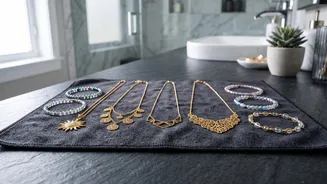
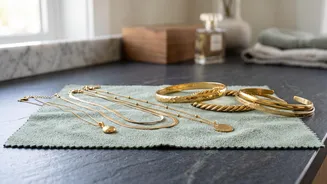
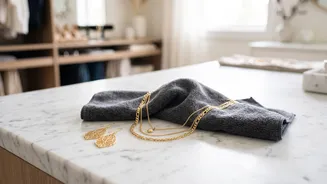
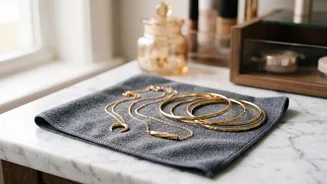
Regular cleaning removes skin oils, sweat, and makeup that can degrade the plating over time. However, aggressive scrubbing or harsh chemicals will do more harm than good. For routine maintenance, simply wiping the piece with a soft, lint-free cloth after every wear is an effective habit. For a deeper clean, create a simple solution of lukewarm water and a few drops of mild dish soap. Dip a soft cloth into the solution, wring it out, and gently wipe the jewellery. You can use a cotton swab or a very soft-bristled baby toothbrush for hard-to-reach areas. Afterwards, rinse the piece briefly with clean water, and most importantly, pat it completely dry with a soft towel before storing.
Daily Habits to Adopt
How you wear your jewellery makes a significant difference. A key rule is 'last on, first off'. Always apply perfumes, lotions, sunscreens, and hairsprays before putting on your jewellery, allowing them to dry completely first. The chemicals in these products can accelerate tarnishing. It is also crucial to remove your pieces before activities that involve water or sweat. This includes showering, swimming, washing dishes, or exercising. Chlorine in pools and salt in seawater are particularly damaging to the plating and the base metal. Finally, avoid sleeping in your gold-plated items, as friction against bedding can cause unnecessary wear.
Smart Storage Solutions
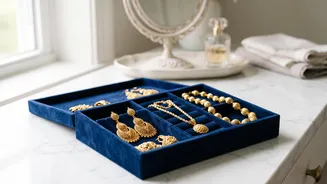
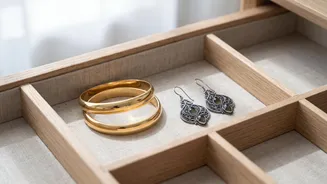
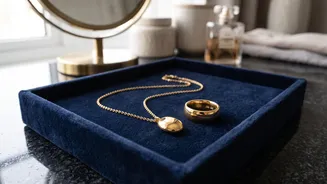
Proper storage is just as vital as cleaning and wearing habits. The main goal is to protect your jewellery from moisture, air, and scratches when you're not wearing it. The bathroom is one of the worst places to store jewellery due to high humidity. Instead, opt for a cool, dry place. Store each piece individually in a soft pouch, an anti-tarnish bag, or a fabric-lined jewellery box with separate compartments. This prevents pieces from scratching against each other, which can wear off the plating. For an extra layer of protection, you can use anti-tarnish strips or add a silica gel packet to your jewellery box to absorb excess moisture.
What to Strictly Avoid
To ensure the longevity of your gold-plated items, there are several things you should never do. Do not use abrasive cleaners like baking soda or toothpaste, as they will scratch and strip the gold layer. Avoid harsh chemicals, including bleach, ammonia, and alcohol-based products, which can cause corrosion and permanent damage. Jewellery polishing cloths intended for solid gold should also be avoided, as they can be too abrasive for delicate plating. Soaking your jewellery for extended periods is also not recommended; a quick dip and gentle wipe is much safer. If you notice the plating has worn through, no amount of cleaning will restore it; at that point, professional re-plating is the only option.