




A Nationwide Shift in Snacking
The Indian snack market, long dominated by savoury, fried, and traditional options, is experiencing a significant transformation. Consumers are increasingly making more intentional choices, driven by a desire for both health and convenience. This isn't
just a trend confined to metro cities; it's a nationwide movement. Market reports indicate that the healthy snacks sector in India is expanding rapidly, with projections showing it will grow at a compound annual growth rate (CAGR) of over 8% in the coming years. This growth is outpacing the global average, positioning India as one of the fastest-growing markets for healthy snacking. This shift sees everyday consumers consciously reaching for options that offer functional benefits beyond just satisfying a craving.
Health Consciousness as the Main Ingredient
At the heart of this trend is a profound increase in health and wellness awareness. Rising instances of lifestyle diseases and greater access to nutritional information online have made consumers more mindful of their dietary habits. The COVID-19 pandemic further accelerated this, boosting demand for snacks perceived to enhance immunity and overall well-being. As a result, protein has become a key factor in purchasing decisions. A recent large-scale survey revealed that a staggering 86% of Indian consumers consider protein important when choosing a snack, and many are willing to pay more for protein-rich products. This has led to a surge in demand for foods with clean labels, natural ingredients, and no preservatives.
The New Stars of the Snack Box
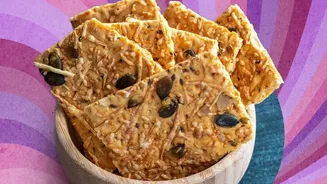
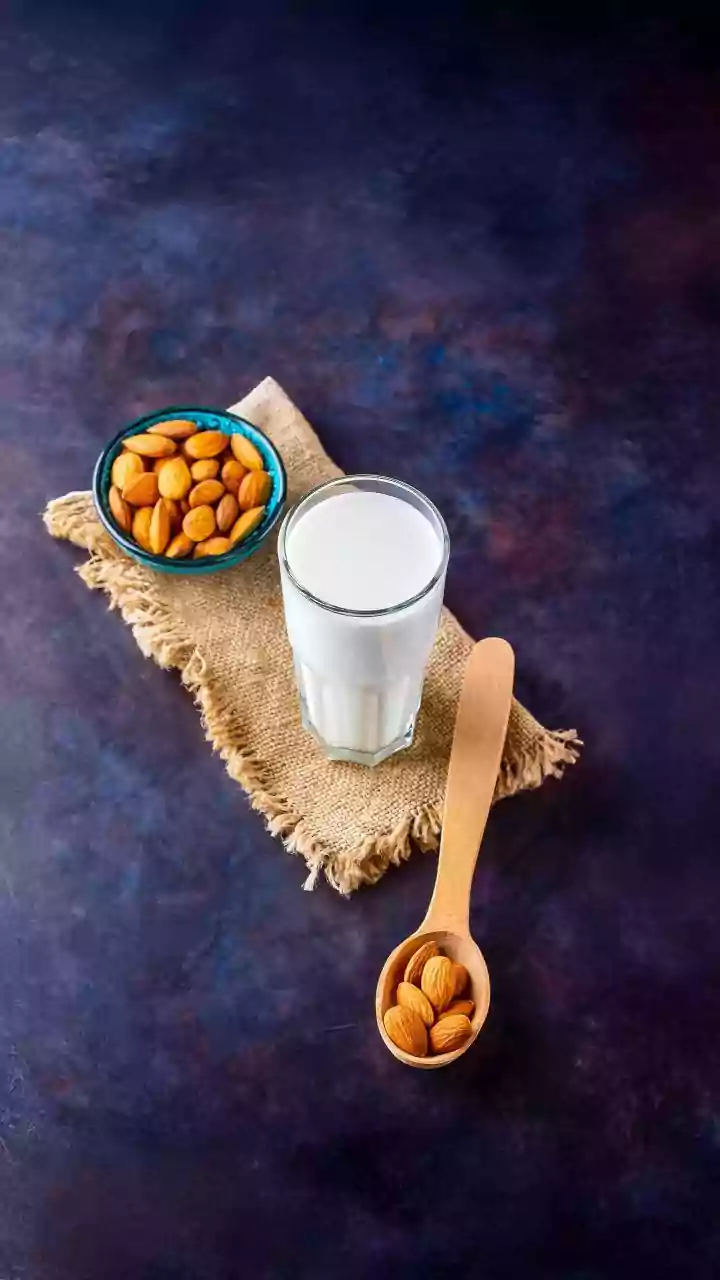
So, what are people actually eating? Nuts and seeds are the largest and fastest-growing segment in the healthy snacks category. Almonds, walnuts, and a variety of seeds like chia, flax, and pumpkin are becoming pantry staples. However, the innovation doesn't stop there. Traditional foods are being rebranded for the modern consumer. Makhana (fox nuts), once a food for fasting, is now a mainstream snack, available roasted and in multiple flavours as an alternative to potato chips. The market has also seen an explosion of new products like protein bars, baked snacks, millet-based items, and ready-to-eat foods fortified with protein. Even yoghurt is getting a protein-focused makeover with the rising popularity of Greek-style varieties.
The Millennial and Gen Z Effect
Younger generations are at the forefront of this dietary evolution. Millennials and Gen Z, exposed to global trends through travel and social media, are driving the demand for healthier and more diverse food options. This demographic is more likely to snack multiple times a day rather than stick to three large meals and they actively research ingredients and nutritional information. For them, food choices are an extension of their lifestyle and values. This has made them quick to adopt trends like plant-based diets and protein-rich foods. Their influence is so significant that it's reshaping how food companies innovate and market their products, with a focus on convenience, transparency, and flavours that blend global appeal with local tastes.
Beyond the Big Cities
While urban centres were the early adopters, the appetite for healthy snacks is rapidly expanding into Tier-2 and Tier-3 cities. Several factors are fuelling this growth, including rising disposable incomes, increasing digital connectivity, and the expansion of e-commerce platforms. Quick commerce, in particular, has made a wide variety of healthy products more accessible to a broader audience than ever before. Brands are also learning to cater to regional preferences by localising flavours and packaging. This indicates that the mindful snacking trend is not merely an urban phenomenon but a more fundamental and widespread shift in consumer behaviour across the country.