





The Instinct to Be Above It All
Cats are not just predators; they are also prey animals. This dual instinct drives their desire for high perches. From a high vantage point, a cat can survey its territory for potential threats and opportunities (like the mailman or a passing bird) without
feeling exposed. In a multi-cat household, vertical space is even more critical. It allows cats to establish a hierarchy and avoid conflict by creating separate zones. A cat that can retreat upwards is less likely to feel cornered or defensive, leading to a more peaceful home.
Building a Feline Superhighway
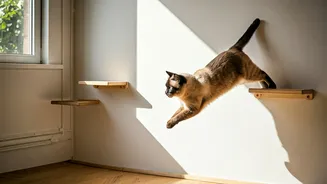
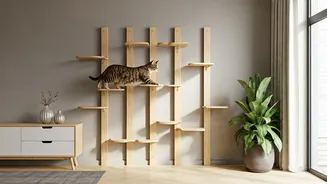
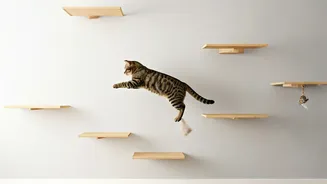
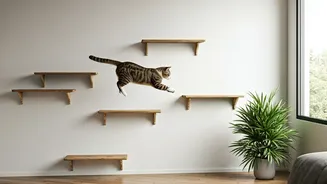
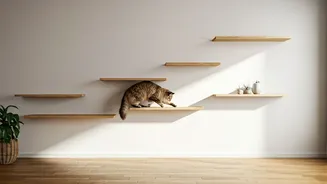
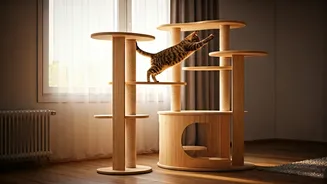
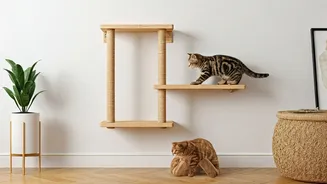
The most effective wall-mounted setups are more than just a few isolated shelves. Think of it as a 'cat superhighway'—a connected series of pathways that allow your cat to navigate a room without touching the floor. This provides essential physical and mental stimulation. A good highway has multiple entry and exit points, connecting areas your cat already loves, like a favourite window perch or a tall cat tree. This encourages exploration and gives them a sense of control over their environment, which is a powerful tool against boredom and stress-related behaviours like over-grooming or destructive scratching.
Choosing Your Components
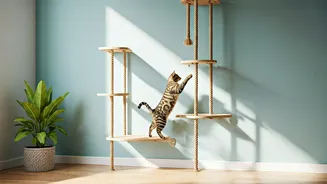
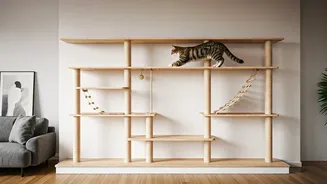
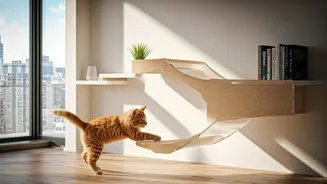
The market for wall-mounted cat furniture has exploded, offering a wide range of options to suit your home's aesthetic and your cat's needs. Key components include: - **Shelves and Perches:** These are the basic building blocks. Look for wide, sturdy shelves that are deep enough for your cat to comfortably lounge on. Many come pre-covered with carpet or sisal for grip. - **Bridges:** Suspended rope or wooden bridges add an element of challenge and fun, connecting two separate points in your highway. - **Hammocks and Beds:** Wall-mounted hammocks offer a cozy, secure spot for napping high off the ground. - **Scratching Posts:** Integrating vertical, wall-mounted scratching posts into the pathway encourages healthy scratching habits away from your sofa. Choose materials like solid wood and durable fabrics that can withstand climbing and scratching.
Strategic Layout and Planning
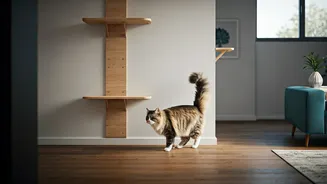
Before you start drilling, map out your cat’s potential route. Place the first step near an existing piece of furniture, like a sofa or bookshelf, to act as a launchpad. From there, plan a path that flows naturally around the room. Ensure the distance between shelves is manageable for your cat's jumping ability—typically no more than a few feet horizontally and vertically. Avoid creating dead ends, which can trap a cat if another pet gives chase. A good layout provides options and allows for a continuous loop of movement. Placing perches near windows provides what cat behaviourists call 'cat TV,' offering endless entertainment.
Installation and Safety Above All
This is not a job for adhesive strips or weak wall anchors. The safety of your cat depends on a secure installation. Always locate and drill into the wall studs for maximum support. If studs aren't available where you need them, use high-quality, heavy-duty drywall anchors rated for well above your cat's weight. Check the weight limit specified by the manufacturer for each component. Once installed, give each piece a firm tug to ensure it’s completely stable before letting your cat explore. A wobbly shelf will deter even the most adventurous feline and can be dangerous if it detaches.