


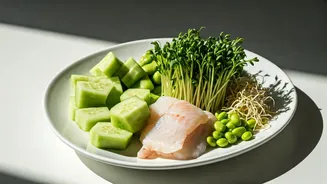



The Rise of the Healthy Chaat
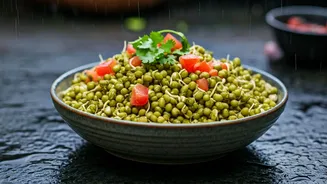
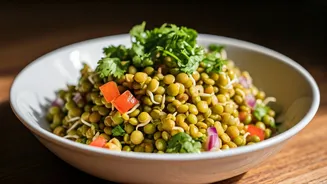
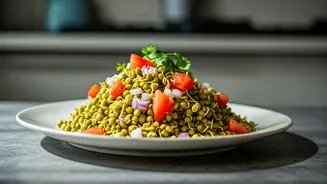
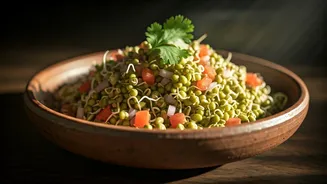
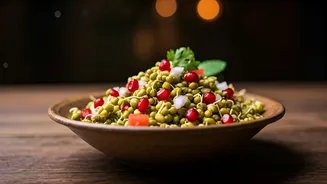
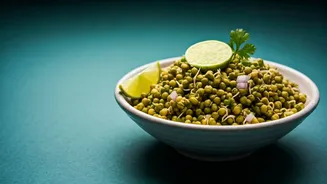
In the world of Indian street food, chaat is king. It's a glorious explosion of sweet, sour, tangy, and spicy flavours. But traditionally, it isn't always the healthiest option. Enter sprouted green gram (moong) chaat, the dish that’s changing the narrative.
This isn't just a snack; it's a statement. It proves that 'clean eating' doesn't have to mean boring or bland. It’s popping up in online health forums and family WhatsApp groups because it perfectly balances our craving for something delicious with the modern desire for something genuinely nutritious. It’s the ultimate guilt-free indulgence, delivering the satisfaction of chaat without the usual refined carbs or deep-fried elements.
Why Sprouted Green Gram is a Superfood
The star of this dish is the sprouted whole green gram. Sprouting is a simple process of germinating seeds, and it transforms them into nutritional powerhouses. When moong sprouts, its nutrient profile changes dramatically. The process increases the availability of vitamins, particularly Vitamin C and B vitamins. More importantly, it breaks down complex starches into simpler sugars, making the dal easier to digest and reducing bloating. The fibre content gets a significant boost, which is excellent for digestive health, blood sugar regulation, and keeping you feeling full for longer. On top of that, it's an incredible source of plant-based protein, essential for muscle repair and overall body function. It's basically nature’s multivitamin in a tiny, crunchy package.
Your Step-by-Step Sprouting Guide
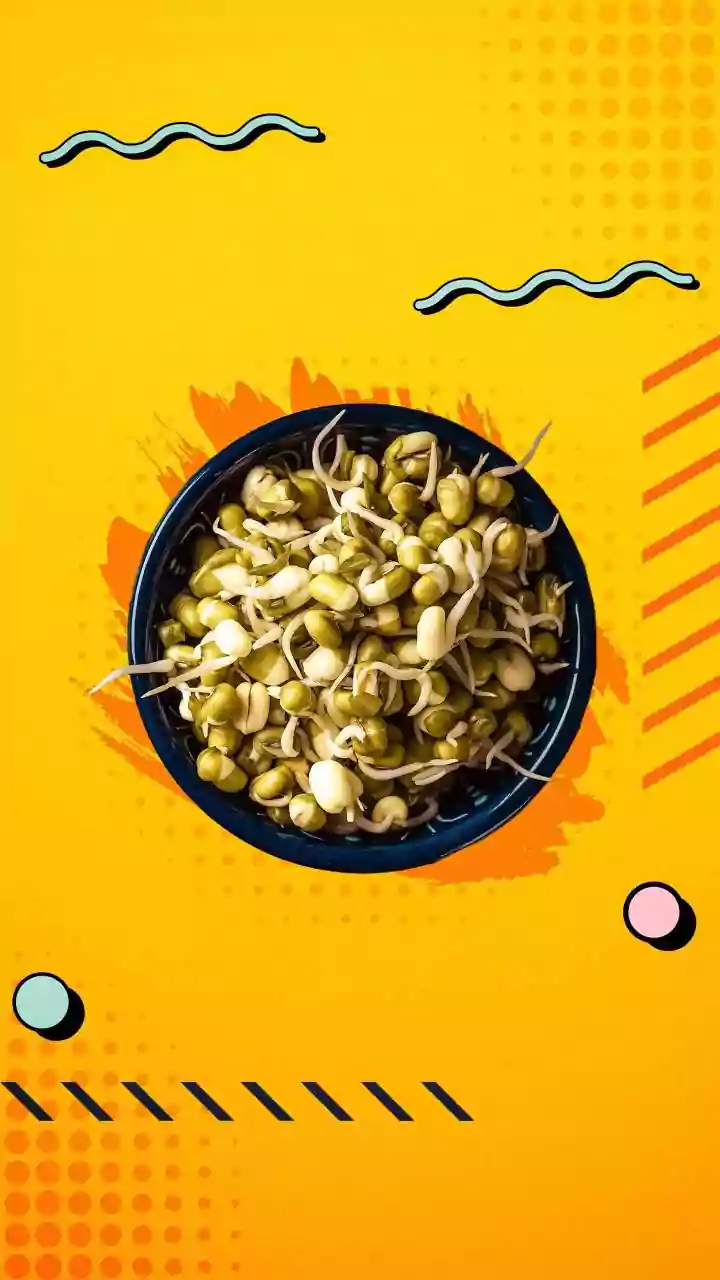
Making your own sprouts at home is incredibly easy and rewarding. You don’t need any fancy equipment. Start with about one cup of whole green gram (sabut moong). First, wash the dal thoroughly and soak it in plenty of water for 8-10 hours, or overnight. After soaking, drain the water completely. Transfer the soaked dal to a muslin cloth, a sprout maker, or even just a sieve covered with a plate. Keep it in a warm, dark place. Rinse the dal once or twice a day to keep it moist and prevent it from spoiling. Within 24-36 hours, you'll see tiny white tails emerging from the grams. Your sprouts are ready! You can let them grow longer for a crunchier texture, but don't wait more than two days as they can turn bitter.
The Ultimate Sprouted Chaat Recipe
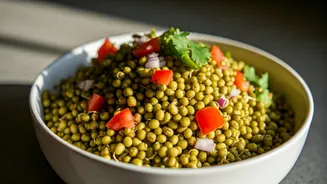
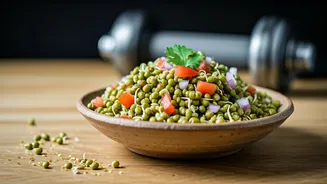
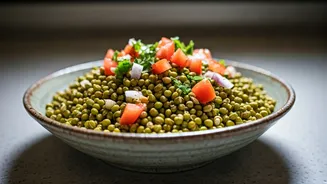
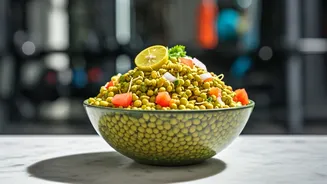
Now for the fun part. This recipe is a template; feel free to adjust the ingredients to your taste. **Ingredients:** - 2 cups sprouted green gram, lightly steamed or boiled for 2-3 minutes (optional, for a softer texture) - 1 medium onion, finely chopped - 1 medium tomato, finely chopped - 1 small cucumber, finely chopped - 1 green chilli, finely chopped (adjust to spice preference) - A handful of fresh coriander, chopped - 1/2 teaspoon roasted cumin powder (bhuna jeera) - 1/2 teaspoon chaat masala - Juice of half a lemon - Black salt (kala namak) to taste **Instructions:** In a large bowl, combine the sprouted green gram, chopped onion, tomato, and cucumber. Add the green chilli and fresh coriander. Sprinkle over the roasted cumin powder, chaat masala, and black salt. Squeeze the lemon juice all over the mixture. Toss everything together gently until well combined. Taste and adjust the seasoning if needed. Serve immediately for the best crunch and freshness.
Level Up Your Chaat Game
While the basic recipe is a clean-eating champion, you can easily customise it for different occasions or taste preferences. For an extra burst of freshness and a beautiful colour contrast, add a handful of pomegranate arils. A sprinkle of roasted peanuts or walnuts can add a delightful crunch and healthy fats. If you're not strictly avoiding all carbs, a small boiled and cubed potato can make the chaat more filling. To make it more decadent, you can add a drizzle of tamarind chutney (imli chutney) for sweetness or mint-coriander chutney for a spicy kick. For a final flourish that mimics traditional chaat, a tiny sprinkle of sev can be added, but be mindful that it's a fried element.