




The Fabric Foundation
The secret to a light, effective rainy-weather wardrobe is choosing the right materials. Avoid cotton at all costs; it absorbs water, gets heavy, and takes forever to dry, leaving you cold and damp. Instead, build your outfits around modern, travel-friendly
fabrics. Merino wool is a top performer; it insulates even when damp, resists odours, and dries much faster than cotton. For trousers and base layers, look to synthetics like polyester and nylon. These materials are hydrophobic, meaning they repel water and dry incredibly quickly. Many travel-specific garments blend these fabrics, giving you the comfort of wool with the durability and quick-dry properties of synthetics. By selecting the right fabrics, you pack smarter, not harder.
Your Core Capsule Wardrobe
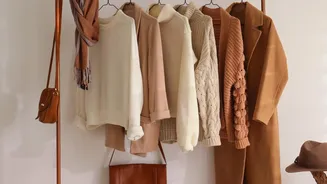
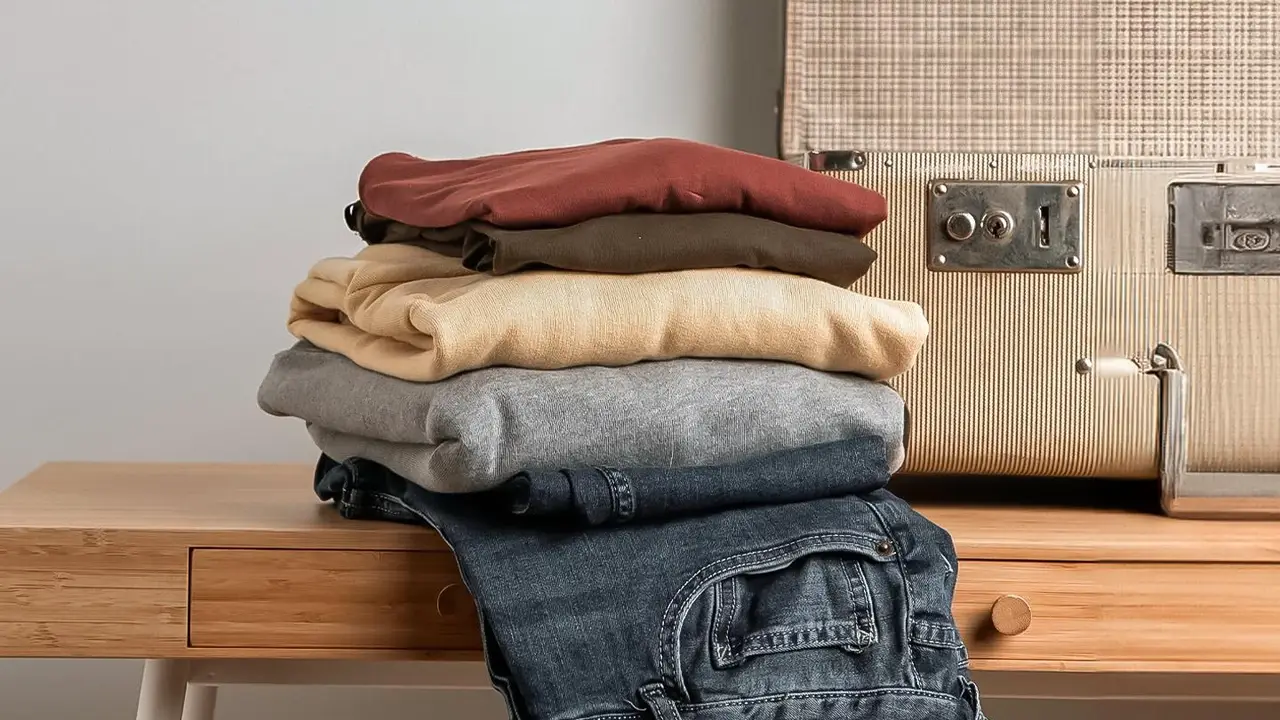
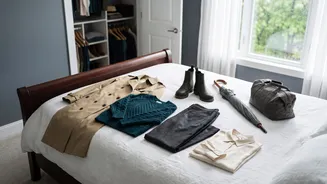
For a four-day trip, you don’t need countless options, just versatile ones. Adopt a capsule wardrobe approach with a neutral colour palette so everything can be mixed and matched. Start with two pairs of bottoms. Choose one pair of comfortable, quick-drying trousers (often made of a nylon blend) and a second pair of dark-coloured, stylish pants that can be dressed up or down. For tops, pack three to four options. A long-sleeved merino wool base layer is perfect for staying warm. Add a neutral-coloured merino sweater or a lightweight fleece that can be worn over your base layer or on its own. Finally, include one or two stylish tops in a polyester blend that can work for a casual day or a nicer evening out. Remember, you’ll wear one outfit on the plane, further reducing what goes in your bag.
The All-Important Outer Layer
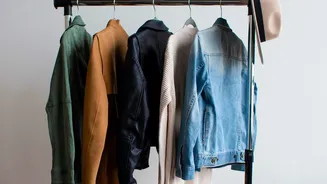
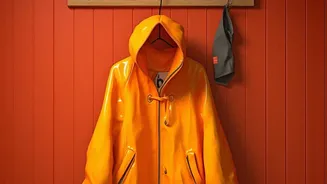
Your single most critical item is your rain jacket. This is where you should invest in quality. Look for a jacket that is explicitly “waterproof,” not just “water-resistant.” A truly waterproof jacket will have sealed seams and a durable water-repellent (DWR) coating to ensure no moisture gets through. Breathability is also key to avoid feeling clammy, so look for jackets made with materials like Gore-Tex or other proprietary waterproof-breathable membranes. Your jacket must be lightweight and “packable,” meaning it can be compressed into its own pocket or a small stuff sack, taking up minimal space in your carry-on. A built-in, adjustable hood is non-negotiable for keeping you dry in a downpour.
Strategic Footwear and Accessories
Shoes are often the bulkiest items, so plan carefully. You only need two pairs. Wear the heaviest pair, a comfortable pair of waterproof boots with good traction, on the plane. This saves a massive amount of luggage space and weight. For your second pair, pack something lightweight and versatile like waterproof loafers, stylish sneakers, or foldable flats that can be worn in the evenings or on drier days. Beyond shoes, a few key accessories make all the difference. Pack a compact, sturdy travel umbrella for sudden showers. Bring at least three pairs of wool or synthetic socks to keep your feet dry and comfortable. A large, stylish scarf can add a pop of colour to your neutral outfits while providing extra warmth when needed.
Mastering the Art of the Pack
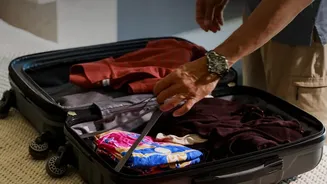
How you pack is just as important as what you pack. The best way to maximize space in a carry-on is by rolling your clothes instead of folding them. Rolled items can be packed more tightly and are less prone to deep wrinkles. To take organization to the next level, use packing cubes. These small, zippered bags allow you to compartmentalize your clothing (e.g., one for tops, one for bottoms and underwear) and compress them down even further. This not only saves space but also makes it easy to find what you need without unpacking your entire bag. Stuff smaller items like socks, chargers, and underwear inside your packed shoes to utilize every inch of available space.