


Gulmarg: The Crown Jewel of Indian Skiing
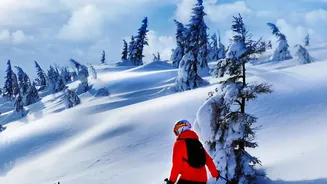
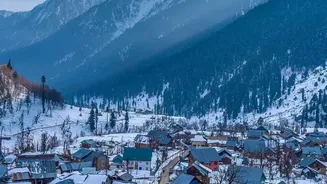
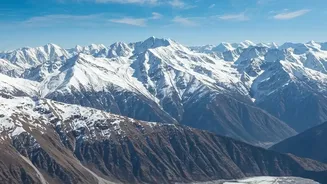
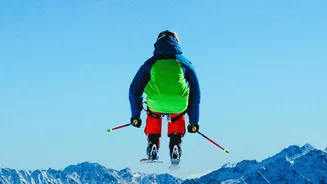
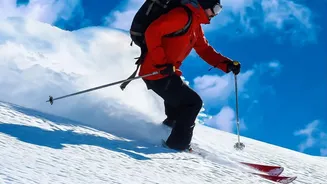
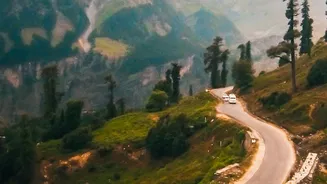
When international skiers talk about India, they're often talking about Gulmarg. Nestled in the Pir Panjal range of Jammu and Kashmir, this resort is legendary for its deep, light powder snow and vast, ungroomed terrain. The main attraction is the Gulmarg Gondola,
one of the highest ski lifts in the world, which ascends to nearly 4,000 metres on Apharwat Peak. This lift opens up a world of off-piste and backcountry skiing that rivals more famous destinations in Europe and North America. For years, it has been the heartland of winter sports in India, attracting a dedicated following of international powder hounds seeking adventure away from crowded European resorts. Its natural advantages, including an average annual snowfall of 14 metres, provide a foundation that manufactured resorts simply cannot replicate.
A Government Push for Winter Glory
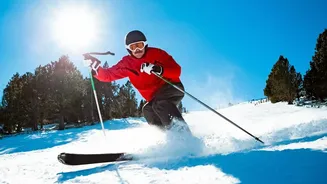
The transformation of the Himalayas into a winter sports hub is not happening by accident. Government initiatives are playing a crucial role. The Khelo India Winter Games, hosted annually in Gulmarg, have become a cornerstone of this strategy. These games not only provide a national platform for Indian athletes but also act as a major catalyst for tourism and economic activity. The event, now in its sixth edition, drives a surge in hotel bookings and local business, demonstrating a clear link between sports and economic growth. This push extends to infrastructure, with investments aimed at improving slopes, timing systems, and training facilities. Furthermore, there's growing ambition, with private sector players like the JSW Group and tourism officials openly discussing plans to develop Gulmarg into a truly world-class destination.
Beyond Gulmarg: Emerging Himalayan Slopes
While Gulmarg remains the star, the growth story is spreading across the Himalayan belt. Auli, in Uttarakhand, is quickly rising as India's premier ski resort destination for families and professionals alike. Originally developed as a paramilitary base, its well-maintained slopes, stunning views of Nanda Devi, and long cable car make it an attractive alternative. In Himachal Pradesh, the areas around Manali, such as Solang Valley, have a long history of skiing and are home to a passionate local community of athletes. Tourism authorities are also exploring the potential of developing new ski areas in places like Doodhpathri in Kashmir, hoping to create a broader circuit for winter tourists and reduce the pressure on Gulmarg. This diversification is key to building a resilient and widespread winter sports ecosystem.
The Uniquely Indian Experience
What truly sets the Indian Himalayas apart is the experience beyond the slopes. Skiing here is not just an athletic pursuit; it's a cultural immersion. Visitors can ski on some of the world's highest peaks in the morning and experience vibrant local markets, unique Kashmiri or Himachali cuisine, and warm hospitality in the afternoon. This blend of high-octane adventure and rich cultural heritage is a powerful draw for international tourists looking for more than just a standard ski holiday. The presence of ancient temples, the distinct local way of life, and the sheer majesty of the Himalayan landscape provide a backdrop that is both exhilarating and deeply memorable, offering a compelling alternative to the more commercialised resorts of the West.
Challenges on the Ascent
Despite the momentum, the path to becoming a 'prime international hub' is not without its challenges. Observers point to a significant infrastructure deficit compared to established global resorts. This includes a need for more hotel beds, better road connectivity, more certified instructors, and advanced medical facilities. Furthermore, the impacts of climate change are a growing concern, with unreliable snowfall patterns in recent years sometimes leading to shortened seasons or event postponements. While solutions like artificial snow are being discussed, they bring their own environmental and logistical issues. Balancing development with sustainability and ensuring consistent safety standards are critical hurdles that India must overcome to solidify its place on the world's winter sports map.