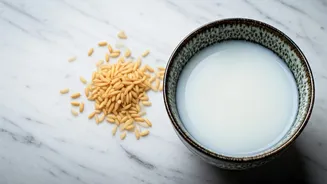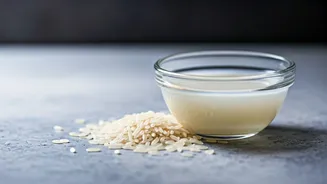



What Exactly Is Rice Water?
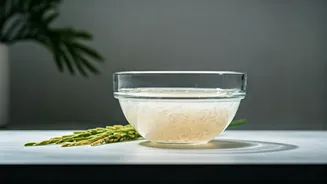
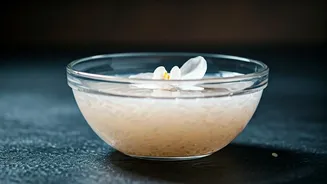
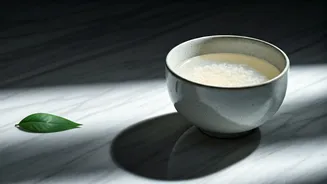
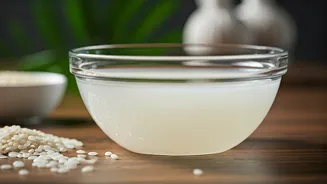
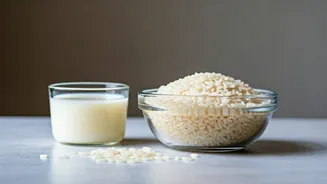
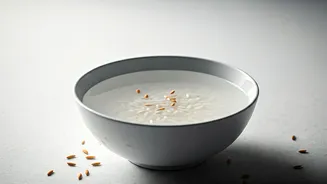
At its core, rice water is exactly what it sounds like: the starchy liquid left behind after soaking or boiling rice. For centuries, this nutrient-rich liquid was simply discarded, but ancient wisdom, now backed by modern interest, sees it as a treasure.
The milky fluid is packed with vitamins, including B and E, amino acids, antioxidants, and minerals. One of its star components is inositol, a carbohydrate that studies suggest can penetrate and repair damaged hair from the inside out. This simple composition is what makes it a gentle yet potentially effective treatment for both hair and skin, free from the complex chemicals found in many commercial products.
An Ancient Secret Rediscovered
The use of rice water for beauty is not a new wellness trend born on social media. Its roots are deeply embedded in Asian history, particularly in China, Japan, and Korea. Perhaps the most famous proponents are the Yao women of Huangluo village in China, who are celebrated in the Guinness Book of World Records for their astonishingly long, strong, and healthy hair, which they traditionally wash with fermented rice water. For generations, they have attributed their hair's vitality and delayed greying to this simple ritual. This long-standing tradition provides a powerful narrative, reminding us that some of the most effective beauty solutions are not found in a lab, but have been passed down through generations.
Potential Perks for Your Hair
The buzz around rice water for hair care is significant, and for good reason. The nutrients it contains are believed to offer a range of benefits. The inositol helps to strengthen the hair shaft and reduce surface friction, which makes hair smoother, less prone to breakage, and easier to detangle. The amino acids help fortify the hair's roots, while the vitamins contribute to overall health and shine. Many users report that regular use as a rinse leaves their hair feeling softer, looking glossier, and appearing fuller. While not a magic bullet for hair growth, by improving the condition of the scalp and strengthening existing strands, it creates a healthier environment for hair to thrive.
Soothing Benefits for Your Skin
The magic of rice water isn't limited to hair. Its gentle, soothing properties make it a fantastic addition to a skincare routine. Used as a facial cleanser or toner, it can help calm irritated skin and reduce redness, making it suitable for those with sensitive or acne-prone skin. The starches in the water are thought to help tighten pores and create a smoother complexion. Furthermore, some studies suggest that the antioxidants present in rice water, like ferulic acid, can help protect the skin from environmental damage and may have a brightening effect over time. A simple splash or a wipe with a cotton pad can leave your skin feeling refreshed and soft, without stripping it of its natural oils.
Your Simple DIY Guide
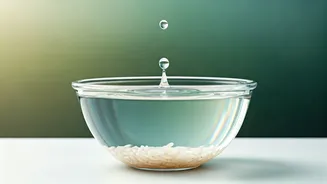
Making rice water at home is incredibly easy and requires no special equipment. Here are two popular methods: 1. **The Soaking Method (No-Boil):** Rinse half a cup of uncooked rice (any kind will do) to remove any impurities. Place the rinsed rice in a bowl with two to three cups of water and let it soak for at least 30 minutes, or up to a few hours. Swirl it around until the water turns cloudy. Strain the water into a clean jar or bottle, and it's ready to use. 2. **The Fermented Method:** For a more potent version, follow the soaking method, but let the rice water sit at room temperature for 24 to 48 hours. The fermentation process lowers the pH of the water, bringing it closer to hair's natural pH, and increases the concentration of nutrients. Once it develops a slightly sour smell, it's ready. You can store it in the refrigerator for up to a week.
How to Use Your Rice Water
Incorporating rice water into your routine is straightforward. For hair, use it as a final rinse after shampooing and conditioning. Pour the liquid over your hair, making sure to massage it into your scalp and through the lengths. Let it sit for 10-20 minutes before rinsing thoroughly with cool water. For skin, you can use it in a few ways. Dip a cotton pad into the rice water and use it as a facial toner after cleansing, or pour some into a spray bottle and mist it over your face for a refreshing boost. Start by using it once or twice a week to see how your hair and skin respond.