




The Great Retail Migration
The storefronts of cities like Lucknow, Jaipur, Indore, and Guwahati are undergoing a significant transformation. Once the domain of local shops and regional players, these non-metro hubs are now prime real estate for global and national fashion giants.
Brands from Zara and H&M to Reliance's extensive portfolio, including Trends and the new value-format Fashion World, are aggressively expanding beyond the saturated metro markets. This push is fueled by rising disposable incomes, widespread digital exposure, and a burgeoning middle class in these regions that is aspirational and brand-conscious. With e-commerce growth showing that a majority of new online shoppers come from smaller towns, physical retail is logically following the demand, recognizing that these markets are the next major growth engine for Indian fashion.
Debunking the 'Leftover' Myth
The cynical view suggests that this expansion is an opportunity for brands to offload unsold inventory from their flagship stores in Delhi and Mumbai. However, this assumption fundamentally misunderstands the modern non-metro consumer and underestimates the complexity of retail logistics. Simply dumping old stock is a recipe for failure. Today's shoppers in Tier-2 and Tier-3 cities are just as informed about global trends as their metro counterparts, thanks to social media and the internet. They have distinct tastes, preferences, and price sensitivities. Selling them products that are out of season, out of style, or irrelevant to their local climate and culture would not only lead to poor sales but also damage the brand's reputation in a market where trust is paramount. Successful brands know that treating these new territories as a secondary clearance channel is a short-sighted and unprofitable strategy.
The Rise of Curated Collections
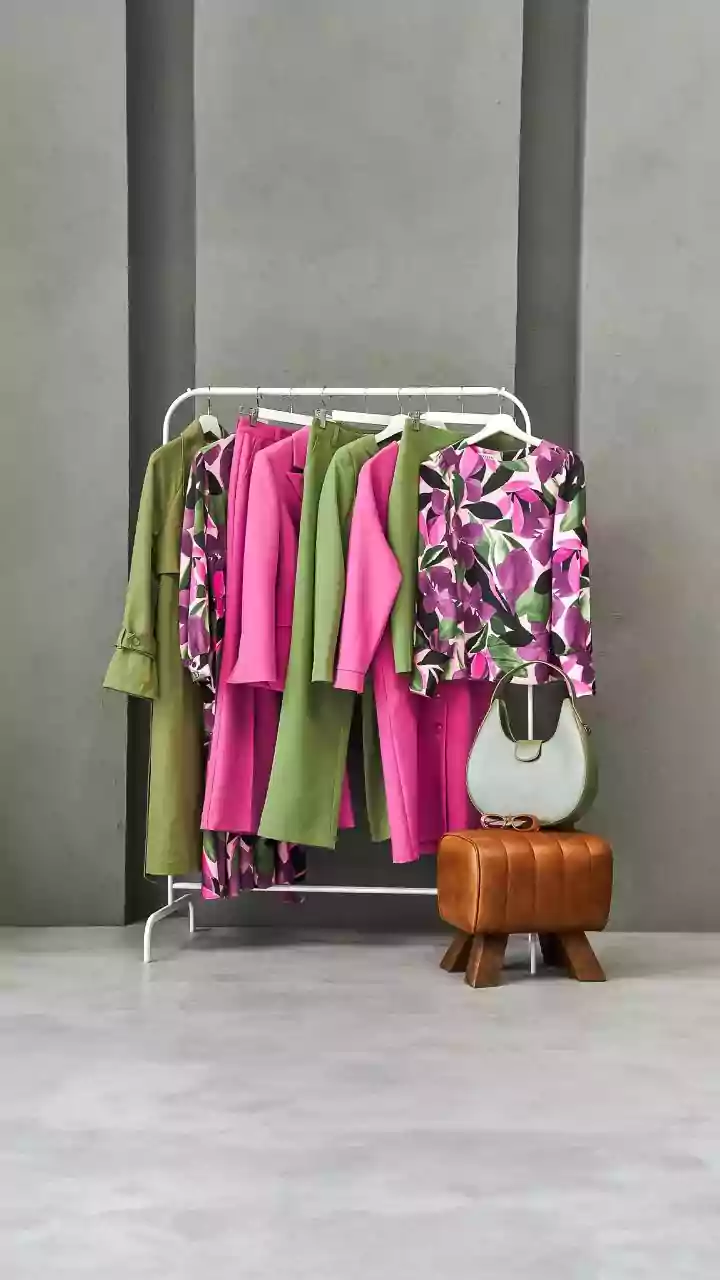
Instead of leftovers, the smart strategy is localization. Brands are increasingly using data to curate product assortments that are specifically tailored to regional demands. This goes far beyond just stocking smaller stores. It involves a nuanced understanding of local culture, climate, and purchasing behaviour. For example, demand for traditional and festive wear, such as sarees and salwar kameez, is often stronger in non-metro areas compared to the more Western-wear-driven metro markets. A brand might stock more vibrant colour palettes for certain festival seasons in one region, or focus on breathable fabrics in another. Corporate players like Reliance are even creating entirely new store formats like 'Fashion World by Trends' with a merchandise mix customized for smaller towns and more accessible entry-level price points. This is not about clearing old stock; it's about creating the right stock.
Hyper-Local Is the New Smart
The most successful brands are diving deep into hyper-local strategies. This can mean adjusting the fit and sizing of garments to better suit regional body types, a common challenge in the Indian market. It also involves creating specific product lines that resonate with local sensibilities, such as offering more modest cuts or incorporating design elements inspired by regional crafts. The distinction between metro and non-metro consumers is blurring, with lifestyle and personal identity becoming more important than location. A fitness enthusiast in Indore may want the same performance wear as someone in Bengaluru. However, the same consumer might also have a strong preference for specific ethnic wear during a local festival, a nuance that a one-size-fits-all product strategy would miss. This blended demand requires a sophisticated, flexible approach to merchandising.
More Than Just Apparel
The product strategy extends beyond just clothing. The expansion into non-metro markets is about selling a complete lifestyle aspiration. This includes a curated selection of footwear, accessories, bags, and beauty products. For many consumers in these cities, the purchase of a branded item is a thoughtful, milestone-linked event, whether for a wedding, a festival, or a professional achievement. This is driving demand for the affordable luxury segment, where international brands offer a taste of the global lifestyle. Even the pre-owned luxury market is seeing strong demand from non-metro cities like Raipur and Guwahati, proving that aspiration and access are powerful drivers across all price points. The goal is to build an ecosystem where the consumer can engage with the brand across multiple categories that align with their evolving identity.