






The Moment the Power Goes Out
When the lights flicker and die, your first instinct should be to protect your appliances. The real danger often isn't the outage itself, but the sudden, high-voltage surge that can occur when power is restored. The simplest and most effective immediate
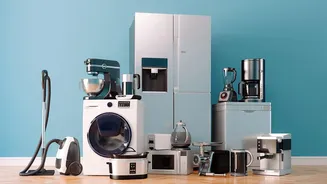
action is to unplug all non-essential and sensitive electronics. This includes your television, computer, microwave, Wi-Fi router, and chargers. For major appliances like refrigerators and air conditioners that are harder to unplug, you can turn them off at the main switch or circuit breaker. This single step provides a crucial layer of protection against the damaging jolt of returning electricity.
Beware the Post-Outage Power Surge
Power surges are brief but intense spikes in your home's electrical voltage. They are common during the monsoon due to lightning strikes and the instability of the grid as power is rerouted and restored. This sudden rush of electricity can permanently damage the delicate internal circuits of modern electronics, leading to costly repairs. A television's mainboard or a refrigerator's compressor are particularly vulnerable. Even if you are home to unplug devices, outages can happen when you're out. This is where dedicated protective devices become essential. Once power returns, it's wise to wait a few minutes for the supply to stabilise before plugging your appliances back in and switching them on one by one.
Your First Line of Defence: Surge Protectors and Stabilizers
Investing in protection is far cheaper than replacing a damaged appliance. For sensitive electronics like TVs and computers, a good quality surge protector is a must. These devices, which often look like power strips, absorb excess voltage during a surge, sacrificing themselves to protect the connected appliance. For larger, high-value appliances like refrigerators and ACs, a voltage stabilizer is recommended. While a surge protector defends against sudden spikes, a stabilizer handles the more common issue of sustained voltage fluctuations—both high and low—ensuring the appliance receives a consistent and safe level of power. For comprehensive safety, a whole-home surge protector can be installed at your main electrical panel by a qualified electrician.
Pre-Monsoon Electrical Health Check
Prevention is the best strategy. Before the rains arrive, hire a licensed electrician to conduct a thorough inspection of your home's wiring. They can identify and fix issues like frayed wires, loose connections, and improper earthing, which is crucial for preventing shocks. Ensure that any outdoor electrical points are properly insulated and have waterproof covers. It's also important to address any sources of water seepage or damp walls, especially those near electrical outlets, as moisture dramatically increases the risk of a short circuit. In areas prone to waterlogging, consider elevating major appliances like refrigerators and washing machines off the floor to protect them from potential water damage.
Special Care for Water and Humidity
Moisture is the arch-enemy of electronics. During the monsoon, high humidity can cause condensation inside devices even without direct water contact. Ensure appliances are placed in well-ventilated areas and not pushed directly against damp walls. Using moisture absorbers like silica gel packets in enclosed spaces like TV cabinets can help protect delicate circuits. Never touch any electrical switch or appliance with wet hands. In the dangerous event of water entering your home, your absolute first step should be to turn off the main power supply, using a dry wooden stick if necessary to avoid direct contact with water that could be electrified. Do not restore power until a professional has inspected the system for safety.