



The Ghost of a Tigerless Forest
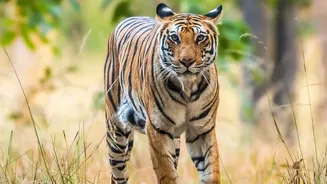
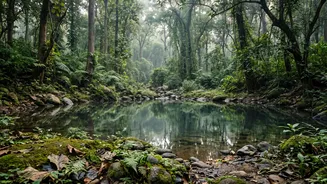
Not long ago, reserves like Sariska in Rajasthan and Panna in Madhya Pradesh faced a devastating reality: they had become 'empty forests'. Rampant poaching had wiped out their entire tiger populations, leaving behind a haunting silence. The disappearance
of an apex predator like the tiger triggers a catastrophic ecological cascade. Without them, herbivore populations like deer and wild boar can grow unchecked, leading to overgrazing that degrades the forest. This local extinction was a national crisis, prompting a radical rethinking of conservation. It became clear that simply protecting the trees was not enough; the stripes had to return.
The Scientific Blueprint for Revival
Tiger translocation is far more complex than just moving an animal from point A to B. It is a high-stakes scientific exercise governed by strict protocols from the National Tiger Conservation Authority (NTCA) and the Wildlife Institute of India (WII). The process begins with identifying a suitable but tiger-less habitat, one with a robust prey base, sufficient water, and the capacity to support a breeding population. Simultaneously, scientists identify a 'source' reserve with a high tiger density, like Corbett or Bandhavgarh. Individual tigers, typically young sub-adults that are yet to establish their own territories, are chosen to minimise disruption to the source population. Genetic compatibility is also crucial to ensure the new population is healthy and diverse.
A Journey of Precision and Hope
The relocation itself is a masterclass in logistics and veterinary science. A chosen tiger is tranquilised, and a team of experts quickly conducts health checks, takes biological samples, and fits the animal with a satellite radio-collar. This collar is vital, allowing teams to monitor the tiger's movement, health, and behaviour 24/7 after its release. The sedated animal is transported in a specially designed cage and often moved to a large, fenced enclosure at the new site for a 'soft release'. This allows the tiger to acclimatise to its new surroundings before being fully released into the wild, a technique that has proven to increase survival rates.
From Zero to Thriving: Panna and Sariska
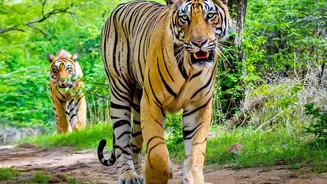
The success of this strategy is best seen in the remarkable turnarounds of Panna and Sariska Tiger Reserves. Sariska, which lost all its tigers by 2004, became the site of the world's first scientific tiger reintroduction in 2008. Following this pioneering effort, Panna, which was declared tiger-less in 2009, began its own reintroduction programme. Initially facing setbacks, including tigers that tried to 'home' back to their original territory, the project ultimately succeeded beyond all expectations. Today, both reserves have thriving, breeding tiger populations, with Panna's success being studied as a global model for large carnivore restoration.
The Ripple Effect of Return
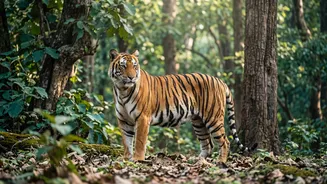
Bringing back the tiger does more than just restore a single species; it revitalises the entire forest. As a keystone species, the tiger's presence naturally manages prey populations, which in turn allows vegetation to recover. A healthier forest improves water retention in the soil and supports a richer biodiversity of other animals and birds. This ecological revival also has human benefits. The return of tigers has boosted ecotourism, providing livelihoods for local communities who become crucial partners in the conservation effort. Involving locals and sensitising them to the importance of the tiger has been a key factor in the long-term success of these projects.
The Road Ahead: Challenges Remain
Despite these incredible successes, tiger translocation is not a silver bullet. One of the biggest challenges is managing human-wildlife conflict on the fringes of revived parks, as dispersing tigers sometimes prey on livestock. Ensuring habitat connectivity between reserves is another critical hurdle, as isolated populations are vulnerable to genetic decline. The constant threat of poaching remains, requiring tireless vigilance and protection. Furthermore, the success seen in Panna and Sariska has not been universal; a translocation effort in Odisha's Satkosia failed due to issues like poor planning and a lack of community support, highlighting the complexity of these endeavours.