
The Foundation: Matki Usal
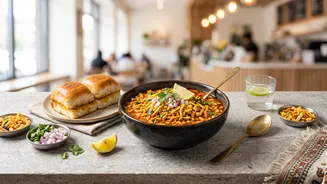
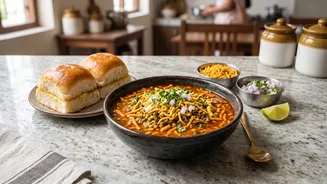
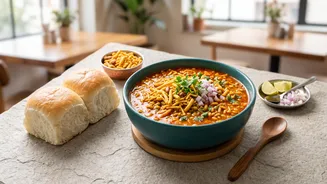
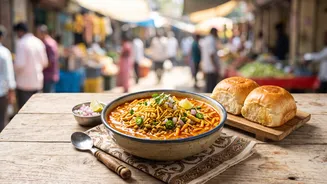
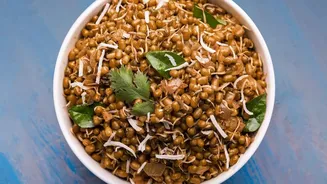
At its base, Misal Pav is built on a nutritious foundation of 'usal', a curry made from sprouted moth beans, known as 'matki'. These tiny, brown-coloured beans are soaked and allowed to sprout, a process that enhances their nutty flavour and makes them
easier to digest. The sprouts are then cooked into a thick, lightly spiced stew. This usal is the hearty, protein-rich core of the dish, providing a wholesome and earthy counterpoint to the spicier elements that are layered on top. While matki is traditional, some variations may use other legumes like white peas or mung beans.
The Soul: Kat and Rassa
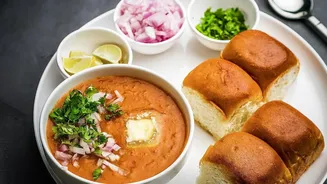
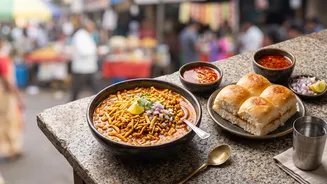
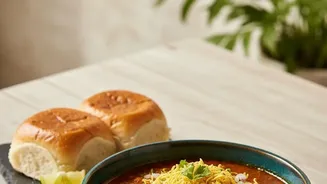
The soul of the dish is its fiery gravy, which has two distinct parts: the 'kat' and the 'rassa'. 'Rassa' is the watery gravy that gets its flavour from a masala paste often made with onion, coconut, ginger, garlic, and tomatoes. 'Kat', also known as 'tarri', is the vibrant red, oily layer that floats on top, packed with intense spice and flavour. This spicy liquid is often served in a separate bowl, allowing each person to add as much heat as they can handle. The spice blend is crucial; Maharashtrian Goda Masala is a key ingredient in many traditional versions, lending a unique, aromatic warmth.
The Crunch: A Generous Layer of Farsan
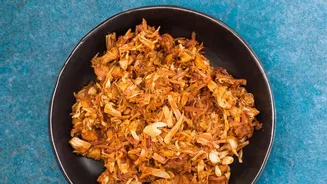
What truly elevates Misal Pav is the essential textural contrast provided by a generous topping of 'farsan'. Farsan is a broad term for a mix of crunchy, fried savoury snacks. For misal, this often includes a mixture of items like sev (crispy chickpea flour noodles), chivda (a roasted grain mix), fried lentils, and sometimes tiny fried gram flour balls called boondi. This layer isn't just for texture; it adds its own salty, savoury flavour. The farsan is added just before serving to ensure it stays crisp, creating a perfect bite that is simultaneously soft, spicy, and crunchy.
The Accompaniments: Pav and Garnishes
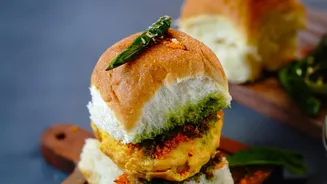
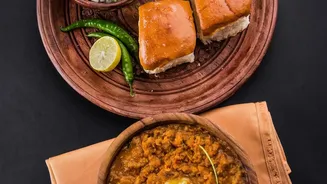
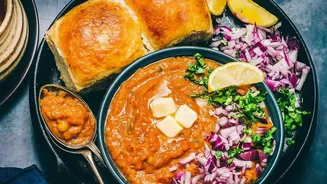
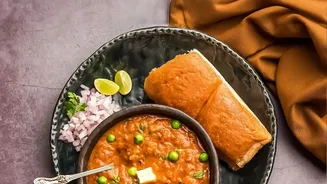
No Misal is complete without its trusted partner, the 'pav'. These soft, fluffy, and slightly sweet Indian bread rolls are the perfect vehicle for scooping up the spicy gravy and usal. The pav soaks up the rassa beautifully, balancing the heat. To finish, the dish is loaded with fresh garnishes that cut through the richness. Finely chopped raw onions add a pungent bite, fresh coriander leaves lend a herby brightness, and a final squeeze of lemon juice provides a much-needed touch of acidity, tying all the diverse flavours together into a harmonious whole.
A Dish of Many Faces: Regional Variations
Misal is not a monolith; it changes from one region of Maharashtra to another. Puneri Misal, from Pune, is generally milder and sometimes has a hint of sweetness, often incorporating poha (flattened rice) or potato sabzi in its layers. In stark contrast, Kolhapuri Misal is famous for its fiery spice level, using a potent onion-garlic masala that gives it a powerful kick. Nashik Misal offers another twist, sometimes featuring a black gravy ('kala rassa') made with black pepper and served with fried papad on the side. These variations reflect the local tastes and ingredients, making the journey of exploring misal a delicious adventure in itself.