

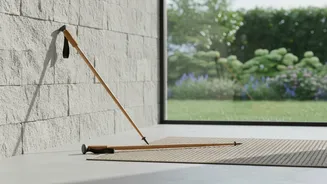

What Exactly Is Nordic Walking?
Originating in Finland as a summer training method for cross-country skiers, Nordic walking transforms a regular walk into a comprehensive fitness session. It involves using specially designed poles to propel yourself forward, mimicking the motions of
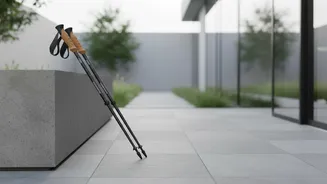
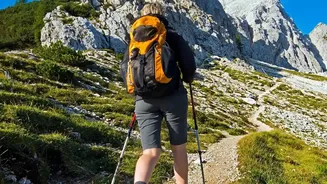
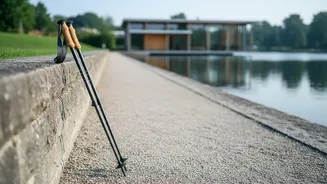
skiing but without the snow. Unlike trekking poles used for stability on uneven terrain, Nordic poles are actively used to engage the upper body with every stride. The technique involves planting the pole behind you at an angle and pushing off, creating a rhythmic, opposite-arm-and-leg movement that feels natural once mastered. This simple addition recruits muscles that a standard walk leaves behind.
From 50% to 90%: A True Full-Body Workout
The key difference between a regular walk and a Nordic one lies in muscle engagement. While walking primarily works your lower body—about 50% of your body's muscles—Nordic walking activates between 80% and 90% of your muscles. By pushing off with the poles, you actively engage your arms, shoulders, chest, back, and core. This increased muscle activation means your body works harder and consumes more oxygen, leading to a significant boost in calorie burn. Studies show that Nordic walking can burn anywhere from 18% to 67% more calories than regular walking at the same pace, without necessarily feeling much harder.
The Upper-Body Revolution in Cardio
Many popular forms of cardiovascular exercise, like running and cycling, heavily favor the lower body, often leaving the upper body under-stimulated. Nordic walking changes this dynamic entirely. The act of planting the poles and pushing off provides a consistent, low-impact resistance workout for your entire upper torso. It specifically targets the latissimus dorsi (lats) and trapezius muscles in the back, the pectoral muscles in the chest, and the deltoids in the shoulders. Furthermore, it strengthens your triceps and forearms with every push. Research has shown that a consistent Nordic walking routine can improve shoulder mobility and even reduce tenderness in upper-body muscles, making it a functional and therapeutic form of exercise.
Why the Comeback? Accessibility and Efficiency
The resurgence of Nordic walking is largely due to its remarkable combination of efficiency and accessibility. It offers a higher calorie burn and greater muscle engagement than walking, yet it remains a low-impact activity that's gentle on the joints. The poles provide added stability, reducing the load on the knees and ankles and lowering the risk of falls, which makes it an excellent option for older adults or those with balance issues. This unique blend of safety, simplicity, and effectiveness is attracting a wider audience, from fitness enthusiasts looking for a more holistic workout to individuals seeking a sustainable way to improve their overall health, cardiovascular fitness, and posture.
Getting Started the Right Way
While it may look as simple as grabbing a pair of sticks, proper technique is crucial to unlock the full benefits of Nordic walking. The fundamental motion involves keeping an upright posture, leaning slightly forward, and swinging your arms from the shoulder in opposition to your legs—left leg forward, right arm forward, and vice versa. The poles should be planted diagonally behind you. As you push off the pole, your hand should open at the back of the swing to allow for a full range of motion. Many beginners make the mistake of simply carrying the poles or planting them vertically like walking sticks. Investing in a lesson from a qualified instructor can help perfect your form and ensure you are truly engaging your upper body for maximum results.