




As a pleasant chill enters the Indian air, our glorious balcony gardens face a critical test. Your vibrant bougainvillea and fragrant jasmine, which thrived in the summer heat, now need special attention to survive and flourish as the weather cools.
Understanding the Seasonal Shift
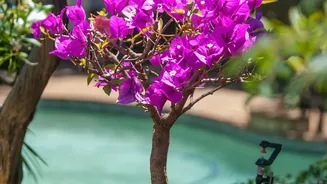
Bougainvillea
and most popular jasmine varieties are tropical plants at heart. They love sun and warmth, and the dip in temperature, reduced daylight hours, and chilly winds can stress them significantly. For gardeners in North India, this is especially crucial as foggy mornings and potential frost can damage these plants. The goal is not just survival but setting them up for a healthy return to blooming when warmth returns. Potted plants on exposed balconies are particularly vulnerable as their roots have less insulation than those in the ground. A few simple changes can make all the difference.
Rethink Your Watering Routine
The most common mistake gardeners make is overwatering in cooler weather. With lower temperatures and less evaporation, potting soil stays moist for longer. Watering as you did in summer can lead to waterlogged soil, depriving roots of oxygen and causing root rot, one of the fastest ways to harm your plants. Before watering, check the top one to two inches of the soil with your finger. If it feels moist, wait another day or two. When you do water, do so in the morning so the foliage has time to dry before nightfall. Always use pots with good drainage holes.
Maximise Sunlight and Provide Shelter
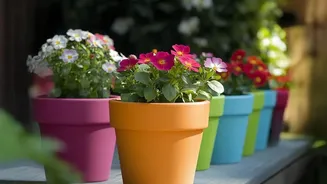
As the sun's angle changes, a spot that was sunny in summer might now be in the shade. Observe your balcony and move your bougainvillea and jasmine to the brightest, sunniest spot you have, ideally a south- or east-facing location. Grouping pots together can also create a warmer microclimate and offer some mutual protection from cold winds. For very tender plants or during a sudden cold snap, moving them against a wall can provide shelter. In regions that experience frost, be prepared to cover plants overnight with a light, breathable cloth like an old sheet or garden fleece, and remove it in the morning.
A Guide to Pruning and Fertilising
Resist the urge to do any hard pruning as winter approaches. Pruning stimulates new growth, which is tender and highly susceptible to cold damage. The best time for major pruning is after the flowering season or once the weather warms up again. For now, just remove any dead, yellowing leaves or spent flowers to keep the plant clean and prevent pests. Similarly, hold back on fertilising. Plants naturally slow their growth in cooler weather and don't need the extra nutrients. Feeding them can force weak growth and do more harm than good. You can resume a feeding schedule in late February or March when you see signs of new growth.
Special Care for Bougainvillea
Bougainvillea is particularly sensitive to frost. If you live in a region like North India where temperatures can dip close to freezing, protecting your potted bougainvillea is nonstoppable. Adding a layer of mulch, like dried leaves or bark chips, on top of the soil can help insulate the roots from the cold. Before a predicted cold snap, watering the soil can also help it retain some warmth, but do not let the plant sit in soggy soil. If you must bring the plant indoors, choose a spot that is cool but stays above freezing and has some light, like a garage or a welllit basement. Water it very sparingly through this dormant period.
Nurturing Your Jasmine Plants
The care for jasmine depends on the variety. Tropical types like Arabian Jasmine (Mogra) are more tender and will need protection from the cold. Coolerclimate varieties like Winter Jasmine are hardier. For the tender jasmines commonly grown on Indian balconies, the rules are similar to bougainvillea: reduce watering, stop fertilising, and ensure they get as much sun as possible. Poor drainage and cold wet soil are especially damaging to jasmine roots. If you notice browning leaves, it could be a sign of cold stress or overwatering. Unlike some plants, major pruning for most jasmines should be delayed until after they have flowered, as cutting back too early can remove the buds for the next season.