


The Rise of the Great Indian Road Trip
Not long ago, a family vacation often meant booking flights or trains months in advance. Today, a growing number of Indians are finding that the best way to explore the country is by car. This shift, which gained momentum out of a need for safety and
control during the pandemic, has now become a preferred mode of travel. The reasons are multifaceted, blending a desire for flexibility with practical advantages. Travellers want the freedom to be spontaneous, to pack without worrying about baggage limits, and to have their own vehicle at their destination. Data from travel platforms confirms this trend. A recent report from Uber highlighted that while major intercity routes like Mumbai-Pune and Delhi-Agra remain popular, the strongest growth is now seen in travel to and from Tier-2 cities and leisure destinations. This signals a fundamental change in how Indians are choosing to take their breaks, favouring shorter, more frequent, and experience-led journeys.
What's Fuelling the Driving Boom?
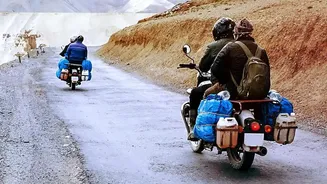
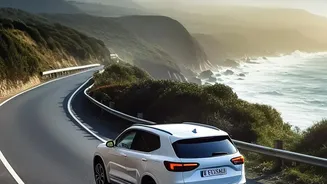
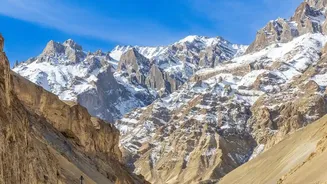
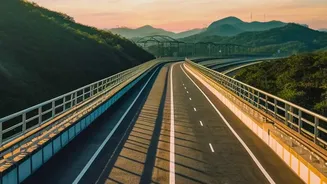
Several factors are converging to make road trips more appealing than ever. The most significant is India's rapidly expanding highway network. Over the last decade, the length of national highways has grown by over 60%, with the addition of thousands of kilometres of smooth, four-lane expressways. This infrastructure boom has slashed travel times and made driving less arduous and more enjoyable. For instance, the Atal Tunnel has cut the journey between Manali and Leh by four hours, opening up new tourism opportunities. Alongside better roads, roadside amenities have also improved dramatically. The proliferation of clean restrooms, food courts, and 24/7 roadside assistance has removed many of the old anxieties associated with long-distance driving, especially for families. Furthermore, the evolution of cars themselves, particularly the popularity of spacious and sturdy SUVs, has made long journeys more comfortable. When combined with high airfares and the hassle of train travel, driving often emerges as the most practical and enjoyable choice.
A New Map of Drivable Destinations
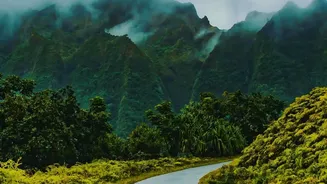
This trend is redrawing India's tourism map, bringing prosperity to destinations that are easily accessible by road from major cities. For residents of Delhi, the hills of Uttarakhand and Himachal Pradesh are now a comfortable drive away, with Dehradun and Chandigarh emerging as fast-growing corridors. From Bengaluru, the winding roads lead to the coffee plantations of Coorg and the serene beaches of Gokarna. Similarly, the route from Chennai to Puducherry along the East Coast Road is a popular choice for a quick getaway. The rise of drivable holidays has also fuelled a boom in alternative accommodations. Travellers are increasingly opting for homestays, villas, and boutique farm stays that offer a more personal and authentic experience than traditional hotels. These properties are often located in scenic, slightly remote areas that are best reached by car, creating a symbiotic relationship between driving and experiential stays. The homestay market in India is expanding rapidly, driven by travellers seeking a connection to local culture, a trend that road travel perfectly facilitates.
More Than Just Getting There
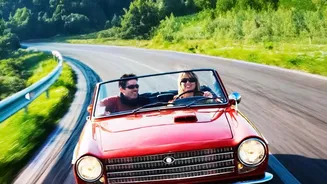
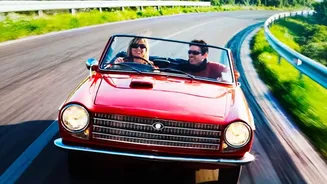
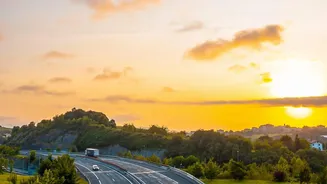
The shift towards driving is also part of a larger movement towards 'slow travel'. The journey itself is becoming as important as the destination. A road trip allows for spontaneity—stopping at a roadside dhaba for authentic local food, taking a detour to an unheard-of waterfall, or simply pulling over to admire a stunning sunset. It offers a level of immersion and discovery that scheduled travel cannot match. This form of travel encourages a deeper connection with the landscape and culture. It’s a move away from checklist tourism towards creating a unique, personal narrative for every holiday. For a new generation of Indian travellers, the ultimate luxury is not just reaching a five-star hotel, but the freedom and adventure found on the road to get there.