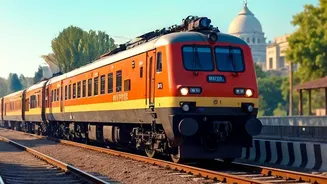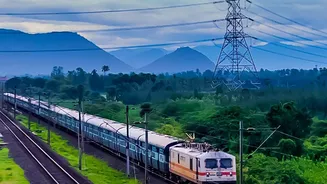







Understanding the Annual Rakhi Scramble
Every year, the days surrounding Raksha Bandhan see a massive surge in travel across India. It's a time when millions of people journey to their hometowns to celebrate with family, transforming major railway stations into seas of expectant travelers.
Metros like Delhi, Mumbai, and Bangalore see a significant exodus as people head towards towns in states like Uttar Pradesh, Bihar, Rajasthan, and Madhya Pradesh. Trains, being the most practical and affordable mode of long-distance travel for many, bear the brunt of this demand. Tickets on popular routes are often snapped up within minutes of the booking window opening, which is typically 120 days in advance. This immense pressure on the railway network necessitates careful planning for anyone hoping to travel during this festive period.
High-Traffic Corridors to Watch
Certain railway corridors experience exceptionally high demand during the Rakhi festival. The routes connecting Delhi to Uttar Pradesh and Bihar are perennial hotspots for congestion. Similarly, corridors linking central India to the national capital, such as the Jabalpur-Delhi and Kota-Delhi routes, see a major spike in passengers. Indian Railways often identifies these choke points in advance and tries to mitigate the rush. For the 2026 season, for instance, West Central Railway has focused its special services on five major corridors, including Bhopal-Rewa and Jabalpur-Delhi. Passengers targeting travel from hubs like Delhi's Hazrat Nizamuddin, Anand Vihar, and New Delhi stations should be particularly prepared for heavy crowds and long waiting lists on services heading towards Kanpur, Patna, Lucknow, and cities in Madhya Pradesh.
Check for Rakhi Special Train Services
To manage the festive rush, Indian Railways announces hundreds of special train services across its network. For Raksha Bandhan 2026, zones like Northern Railway and West Central Railway have already announced dozens of special trains to add capacity on high-demand routes. These services often run for a limited period, typically from a few days before the festival to a few days after. For example, special trains have been scheduled between Jabalpur and Hazrat Nizamuddin, Kota and Hazrat Nizamuddin, and Subedarganj (Prayagraj) and Shakur Basti (Delhi) to cater to the rush. The key is to stay updated. Passengers should regularly check the IRCTC website, the National Train Enquiry System (NTES) app, and official announcements from zonal railways for the latest list of special trains, their timings, and availability.
Smart Alternatives to Mainline Trains
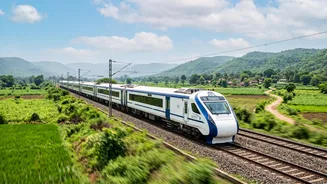
When a direct train is unavailable, it pays to think creatively. One effective strategy is to look for tickets to a major station just before or after your destination and complete the journey using local transport. Sometimes, breaking the journey into two parts can also yield confirmed seats. Another excellent alternative for shorter, high-traffic routes is the expanding network of modern, high-speed trains. For travelers on the Delhi-Meerut corridor, the Namo Bharat rapid rail service is a game-changer. During the Rakhi rush, services like these often increase their frequency; for 2026, Namo Bharat is running 47 additional trips, with trains available every eight minutes to handle the festive footfall. Don't overlook state-run buses either. For Rakhi, corporations like UPSRTC often deploy additional buses and may offer special schemes, such as free travel for women, making it a viable and economical alternative.
Last-Minute Booking and Travel Tips
If you've missed the advance booking window, the Tatkal scheme is your next best bet. Tatkal bookings for AC classes open at 10:00 AM and for non-AC classes at 11:00 AM, one day before the train's departure. Success requires speed. Be logged into the IRCTC website or app a few minutes before the window opens, and use the 'Master List' feature to pre-save passenger details to save crucial seconds. Using a fast payment method like UPI or the IRCTC e-Wallet can also prevent transaction timeouts. Even if you land on a waiting list, don't give up. Monitor your PNR status frequently, especially in the 72 hours before departure, as last-minute cancellations often lead to ticket confirmations. The final chart is prepared about 30 minutes before departure, which can sometimes free up last-minute berths.