






The Danger of Distracted Snacking
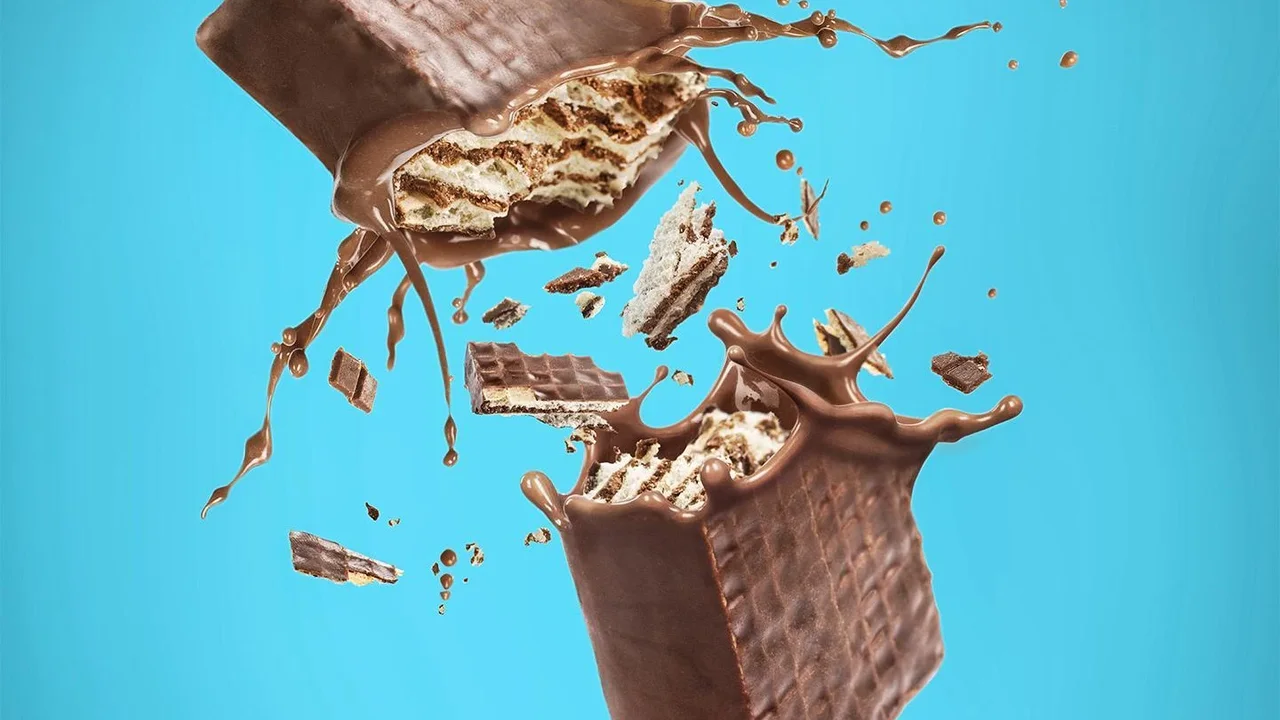
The most common form of distracted eating involves pairing a screen with a snack. Think of a bag of potato chips during a movie or biscuits with your evening tea and social media scroll. Research consistently shows that this type of mindless eating often
leads to consuming more than intended. When your brain is focused on the entertainment, it pays less attention to your body's fullness signals. This phenomenon is sometimes called 'food amnesia'. Because you're not fully present, your brain doesn't properly record the eating experience. Studies have found that this not only leads to eating more during the snacking session but can also increase how much you eat at your next meal because your brain doesn't feel as satisfied.
When Distraction Reduces Intake
Counterintuitively, not all distraction leads to overeating. Some research suggests that when it comes to a structured meal, certain types of distraction might cause you to eat less. In one study, participants who ate a meal while engaged in a demanding computer game actually consumed less food than those who ate without any distractions. The theory is that a highly absorbing cognitive task can interfere with the physical act of eating, slowing you down or causing you to stop sooner. This is different from the passive distraction of watching television, which doesn't require much mental effort and allows for automatic, continuous eating. So, while working intensely through a planned lunch might lead to a few forgotten bites, relaxing with a show and a large pizza often has the opposite effect.
The Science of Meal Memory
The key to understanding these different outcomes lies in how our brains form a 'meal memory'. Scientists have identified specific brain cells that create 'meal engrams'—a memory trace that records the experience of eating. When you eat attentively, your brain logs the tastes, textures, and satisfaction of the meal. This memory helps regulate your hunger later. However, when you're distracted, especially by passive entertainment, this memory-making process is disrupted. Your brain doesn't get a clear signal that you've eaten a satisfying amount. This effect is particularly strong with highly palatable, easy-to-eat snacks, which are designed to be rewarding and don't require the stop-and-start actions of eating a complex meal with utensils.
From Mindless to Mindful Eating
The solution to combatting the negative effects of distracted eating is to practice mindful eating. This doesn't mean you can never enjoy a snack in front of the TV again. It’s about bringing more intention and awareness to the act of eating. The goal is to close the gap between your mind and your stomach, allowing you to better recognise your body's natural hunger and fullness cues. By paying more attention to your food, you not only enjoy it more but also give your brain the data it needs to regulate your appetite effectively throughout the day. It's a skill that can help foster a healthier and more enjoyable relationship with food, moving away from automatic habits toward conscious choices.
Simple Steps for Better Habits
Putting this into practice doesn't require a complete overhaul of your life. Start with small, manageable changes. If you're going to have a snack while watching a show, portion it out into a bowl instead of eating directly from the large bag. This creates a clear end point. For full meals, try a 'no phones at the table' rule. Even just focusing entirely on the first five minutes of your meal without distractions can help strengthen that crucial meal memory. Try to chew your food more slowly and pay attention to the flavours and textures. These small acts of mindfulness can significantly reduce the chances of accidental overeating and increase your satisfaction from the food you consume.