

The Building Blocks of Life
Let's start with the basics. Proteins are essential macronutrients vital for almost everything your body does—from building muscle and repairing tissue to making hormones and enzymes. These powerful molecules are made up of smaller units called amino
acids. Our bodies use about 20 different amino acids to function. Of these, nine are called 'essential amino acids' because our bodies can't produce them on their own. We have to get them from the food we eat. Think of them as the nine non-negotiable ingredients you must source from your diet for your body's protein-building factory to work correctly. The nine essential amino acids are histidine, isoleucine, leucine, lysine, methionine, phenylalanine, threonine, tryptophan, and valine.
Complete vs. Incomplete Proteins
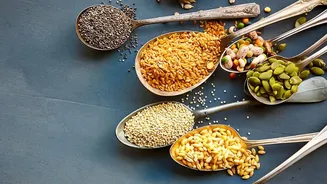
This is where the concept of 'protein quality' comes in. A food source is considered a 'complete protein' if it contains all nine essential amino acids in sufficient amounts. Most animal-based proteins—like meat, fish, eggs, and dairy products—fall into this category. On the other hand, most plant-based foods are 'incomplete proteins'. This doesn't mean they are bad; it simply means they are low in one or more of the essential amino acids. For example, many legumes are low in methionine, while grains are often low in lysine. Because vegetarian and vegan diets rely heavily on these foods, it’s important to understand how to get a complete amino acid profile.
How Is Protein Quality Measured?
Scientists use scoring systems to evaluate protein quality. The most established method is the Protein Digestibility Corrected Amino Acid Score (PDCAAS). This score looks at a protein's amino acid profile and its digestibility, giving it a rating from 0 to 1. A score of 1.0, the highest possible, means the protein provides all essential amino acids in a highly digestible form. A newer, more precise method called the Digestible Indispensable Amino Acid Score (DIAAS) is also used, especially in scientific research. It also measures the digestibility of individual amino acids, offering a more detailed picture of protein quality. For consumers, the main takeaway from these scores is that they help quantify how efficiently our bodies can use a particular protein source.
The Magic of Protein Complementation
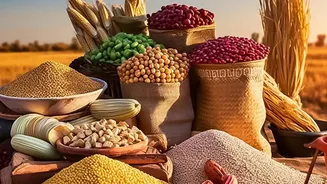
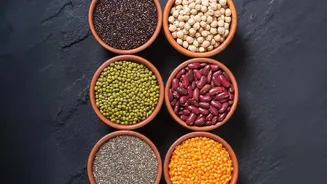
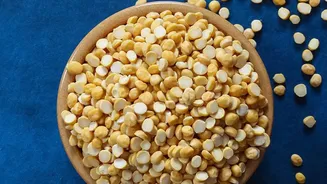
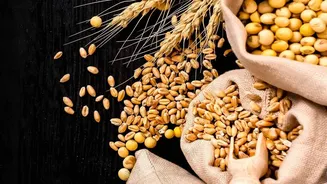
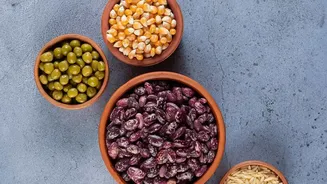
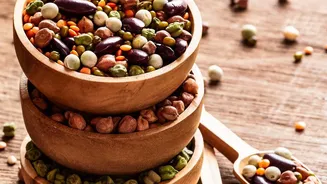
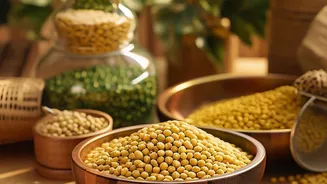
So, how do you get all nine essential amino acids from incomplete plant proteins? The answer lies in a simple yet powerful strategy: protein combining, also known as complementation. It’s the nutritional equivalent of a perfect partnership. By pairing two or more plant foods that have complementary amino acid profiles, you can create a meal that provides a complete protein. The classic example is legumes and grains. Legumes (like dal, beans, and chickpeas) are typically high in the amino acid lysine but low in methionine. Grains (like rice and wheat) are the opposite—low in lysine but higher in methionine. When you eat them together, they fill in each other's nutritional gaps, providing your body with all the essential amino acids it needs to thrive.
Indian Cuisine Already Mastered This
The brilliant thing is, if you eat a traditional Indian diet, you're likely already a master of protein complementation without even realizing it. The wisdom of pairing legumes and grains is deeply embedded in our culinary heritage. Think about these classic, beloved meals: Dal with rice or roti: This is the most common and perfect example of combining a legume with a grain. Rajma Chawal: A North Indian favourite that pairs kidney beans with rice. Khichdi: A comforting one-pot meal of rice and lentils, often moong dal. Dosa and Idli with Sambar: The batter is made from rice and urad dal, and it's served with a lentil-based stew. These combinations aren't just delicious; they are scientifically sound ways to create a high-quality, complete protein meal from plant-based ingredients.