



The New Mindset: Quality Over Quantity
The dream of a sprawling bungalow is being replaced by the reality of a well-appointed two-bedroom flat in a bustling metropolis. Faced with rising real estate costs and dense urbanisation, Indian homeowners are shifting their focus from square footage
to smart design. The new status symbol isn't a large, empty hall; it's a thoughtfully designed space where every corner has a purpose and every element feels curated. This mindset shift is driving a trend towards functional luxury, where practicality and aesthetics merge seamlessly. The goal is to create a home that is not just lived in, but is also a joy to live with—a space that feels calm, organised, and deeply personal, regardless of its size.
Furniture That Works Harder
Perhaps the most significant change in compact Indian homes is the rise of multi-functional furniture. Once seen as a compromise, these versatile pieces are now celebrated for their ingenuity and style. A sofa that transforms into a guest bed, a coffee table with hidden storage, or a dining table that folds away to free up floor space are no longer niche items but mainstream essentials. Designers are increasingly integrating modular furniture that can be reconfigured to suit changing needs, from modular sofas for hosting guests to wall-mounted desks for a hybrid work culture. This approach ensures that even the smallest apartment can adapt to various activities without feeling cluttered.
The Illusion of Space: Light and Reflection
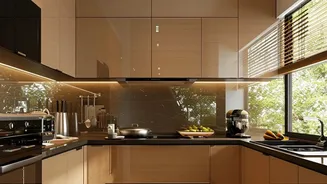
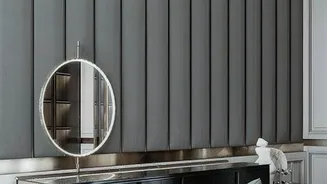
Design experts unanimously agree on the power of light and reflection to make a small room feel larger. Homeowners are strategically using large mirrors, often placing them opposite windows to bounce natural light around the room, creating an illusion of depth. The colour palette plays a crucial role, with light and neutral shades like off-whites, soft greys, and pastels being favoured for walls and large furniture. These colours act as a neutral backdrop, making a space feel airy and open. Glossy finishes on cabinets, glass partitions, and even transparent acrylic furniture—sometimes called "ghost" furniture—are used to reduce visual weight and maintain an uncluttered feel.
Going Vertical: The Untapped Dimension
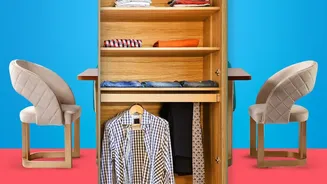
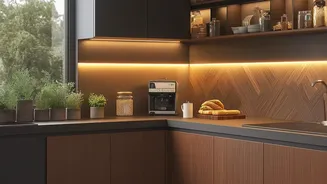
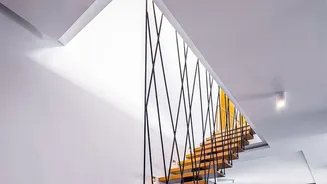
When floor space is limited, the only way to go is up. Maximising vertical space is a key strategy in modern Indian apartment design. This includes installing floor-to-ceiling wardrobes, often with sliding doors that don't require swing space, to maximise storage in bedrooms. In kitchens and living areas, wall-mounted shelves and tall, slender cabinets draw the eye upward and keep floors clear, which helps to create a feeling of spaciousness. Even underutilised areas like the space above doors or in corners are being reclaimed with clever storage solutions, ensuring that no inch is wasted.
A Touch of Quiet Luxury
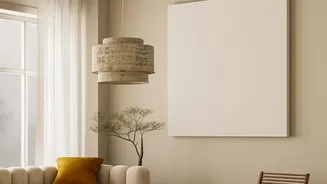
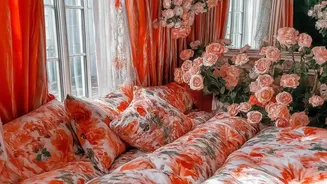
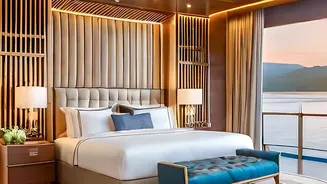
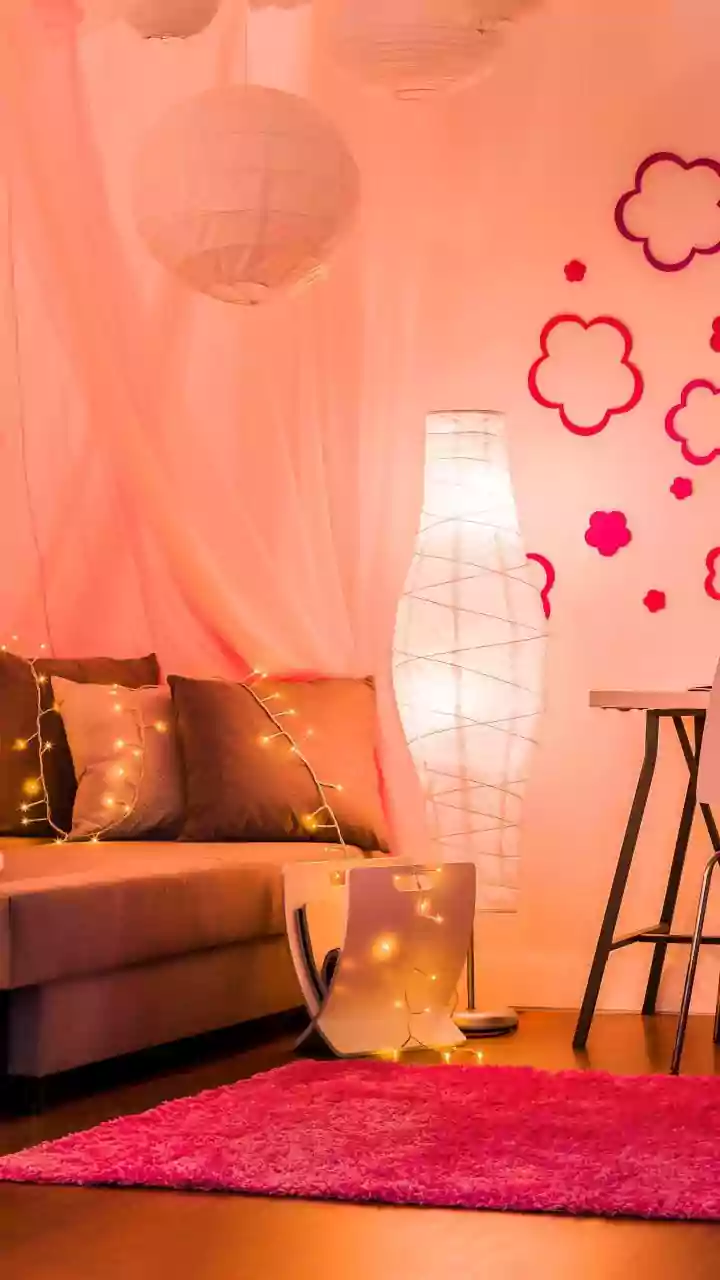
A premium feel isn't always about expensive materials; it's about thoughtful details and textures. Homeowners are achieving a luxurious look by being selective with their decor. Instead of filling a room with many small items, the focus is on a few high-impact pieces, like a single large piece of artwork or a statement rug. Texture is added through layered fabrics like plush cushions, full-length curtains hung close to the ceiling to create a sense of height, and high-quality laminates or veneers that mimic natural wood. These elements add warmth and sophistication without overwhelming the space, proving that luxury is an atmosphere you create, not a price tag you meet.