





A Monsoon Divided
The story of the 2026 monsoon is one of severe imbalance. While the season saw a recovery in July after a dry June, the distribution of that rain has been wildly erratic. As of mid-August, nearly half of India's districts have reported below-normal rainfall.
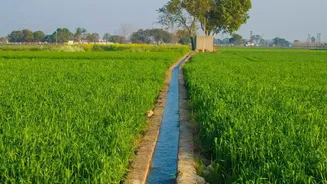
Key agricultural states are facing significant shortfalls, including Bihar, Uttar Pradesh, Punjab, and Karnataka. This pattern of intense rain in some areas and prolonged dry spells in others is a major concern, as a few days of heavy downpour cannot compensate for weeks without adequate moisture for crops. This inconsistency is largely attributed to a moderate El Niño in the Pacific Ocean, which is known to suppress and disrupt normal monsoon circulation over India.
Key Crops Under Stress
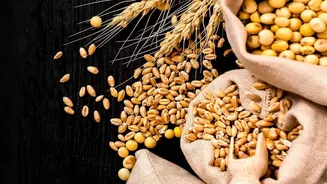
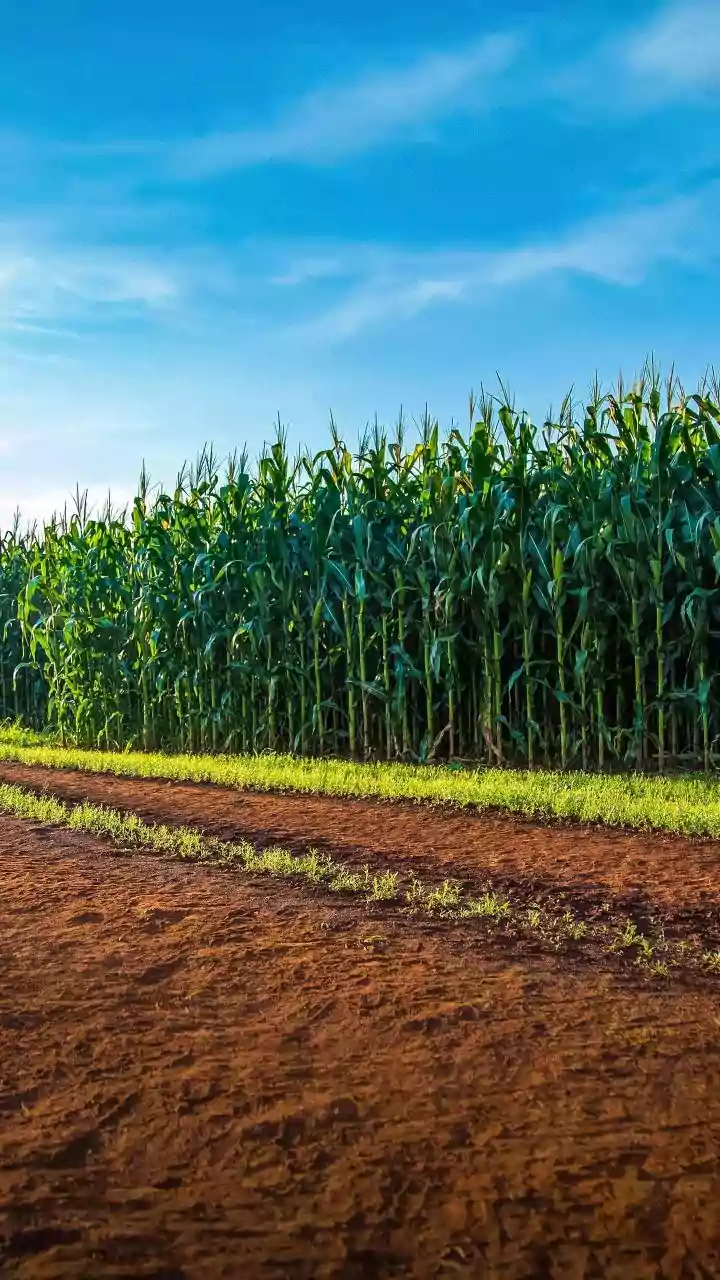
The erratic rainfall is directly impacting the sowing and health of crucial Kharif crops. Rice, the season's principal grain, is under significant threat. As of mid-August, overall rice acreage was down by 3.65% compared to the previous year. Worryingly, data shows that a majority of India's top rice-producing districts are experiencing rainfall deficits. Pulses, a primary source of protein for millions, are also affected, with sowing for key varieties like Tur (arhar) and Moong declining. The situation for oilseeds is mixed, with an overall dip in acreage, though some crops like sunflower have seen gains. However, major oilseed crops like soybean remain at risk, with many top growing districts also facing a lack of rain. Experts warn that continued moisture stress during critical growth stages like flowering and grain filling could severely reduce final yields.
The Sowing Deficit Explained
The cumulative effect of this inconsistent monsoon is a visible gap in planting. According to data from the Ministry of Agriculture & Farmers Welfare, total Kharif sowing as of August 14, 2026, was down by 2.02% compared to the same period last year, covering 101.66 lakh hectares against 103.75 lakh hectares previously. While this gap has narrowed from a wider deficit seen in July, the lag in essential food staples remains a primary concern. The decline is most pronounced in rain-fed areas, which constitute about half of India's net sown land and are entirely dependent on the monsoon for cultivation. The delayed or deficient planting of crops like rice, pulses, and coarse cereals directly impacts the potential size of the autumn harvest.
The Ripple Effect on Your Wallet
A shortfall in Kharif production has direct consequences for every Indian household. Lower crop yields tighten food supplies, which can lead to a rise in prices and fuel food inflation. Economists have warned that a weak monsoon has become a major inflation risk, potentially more significant than global factors like oil prices. A significant rain deficit could add as much as a percentage point to headline inflation. With key staples like rice, pulses, and some vegetables at risk, the pressure on household budgets could increase in the latter half of the year. The Reserve Bank of India has flagged these weather-related uncertainties as a key risk to the economy, as persistent food inflation could force it to adjust its monetary policy.
What Happens Next?
All eyes are on the weather in the coming weeks. The India Meteorological Department (IMD) has forecast that rainfall for August and September—the second half of the monsoon season—is likely to be below normal. This outlook, combined with the strengthening El Niño, suggests the challenges for the agriculture sector may continue. While good reservoir levels at the start of the season provided some cushion, they cannot fully offset a prolonged period of poor rainfall, especially in purely rain-fed zones. The performance of the monsoon through the end of August and into early September will be absolutely critical in determining the final harvest output, rural incomes, and the trajectory of food prices across the country.