





Choose Your Fabrics Wisely
The foundation of a good monsoon wardrobe is fabric choice. Heavy materials like denim and thick cotton are your worst enemies; once wet, they can take days to dry and develop a musty odour that infects your entire suitcase. Instead, pack lightweight
synthetic or synthetic-blend clothes. Fabrics like polyester, nylon, and rayon are excellent choices because they don't absorb much water and dry incredibly quickly, often within a few hours in a ventilated room. Some natural fibres like light cotton, linen, georgette, and chiffon can also work well, as they are breathable and don't cling when damp. Prioritise loose-fitting garments, as they allow for better airflow, which is crucial for comfort in high humidity.
The Power of Waterproofing
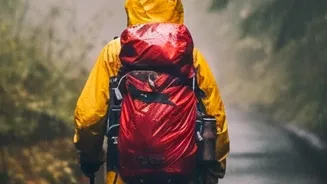
Your first line of defence is a solid waterproof outer layer. Invest in a reliable, lightweight raincoat or poncho that offers good coverage. But don't stop there; your backpack is just as vulnerable. A dedicated waterproof backpack is ideal, but a high-quality rain cover is an essential and affordable alternative that can be quickly pulled over your bag during a sudden downpour. For items inside your bag, adopt a multi-layered defence. Use waterproof dry bags or even simple ziplock bags to compartmentalise your belongings. This ensures that even if your main bag gets damp, your clothes, documents, and other essentials remain perfectly dry.
Protect Your Precious Tech
Water is the mortal enemy of electronics, but rain isn't the only threat—high humidity can be just as damaging. Your smartphone, camera, and laptop need special protection. A waterproof phone pouch is non-negotiable, allowing you to use your device in the rain without fear. For larger items like tablets or cameras, dedicated dry bags offer robust protection. A simple but effective trick is to toss a few silica gel packets into your electronics bags and main luggage. These small sachets absorb ambient moisture, fighting off the insidious effects of humidity that can cause corrosion and malfunction over time. Also, always carry a power bank, as power cuts can be more frequent during the monsoon season.
Rethink Your Footwear
Nothing ruins a travel day quite like squelching around in wet shoes and soggy socks. Leather shoes are a poor choice for the monsoon as they get easily damaged by water and take a long time to dry. Instead, opt for rubber-soled, slip-proof footwear. Floaters, waterproof sandals, or even sturdy rubber boots are excellent choices for navigating wet, muddy, or slippery streets. They are easy to clean and dry quickly. If you prefer closed-toe shoes, look for options made from quick-drying materials. Always pack at least two pairs of footwear so one can dry completely while you wear the other. Packing a few pairs of moisture-wicking socks is also a smart move to keep your feet as dry and comfortable as possible.
Pack a 'Wet Kit' and Other Essentials
Despite your best efforts, some things will inevitably get wet. Plan for this by packing a 'wet kit'. This can be as simple as a few extra plastic bags or a dedicated water-repellant laundry bag to isolate damp or dirty clothes from your dry ones. This prevents moisture and odours from spreading through your luggage. Another must-have is a quick-dry microfibre towel. It's lightweight, highly absorbent, and dries much faster than a standard cotton towel, making it perfect for wiping down after an unexpected shower. Finally, don't forget a basic first-aid kit with antiseptic wipes and bandages, as well as a strong insect repellent to guard against mosquitoes, which are more prevalent during this season.