






The Dual-Use Dream
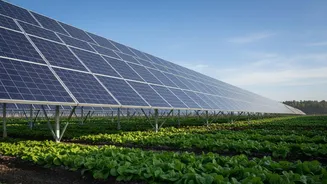
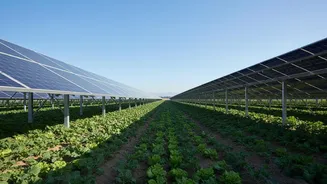
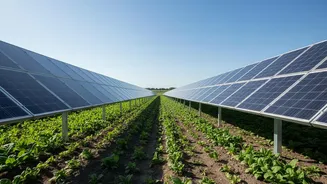
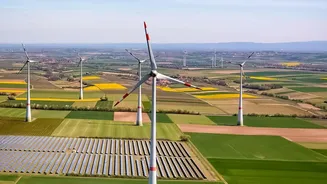
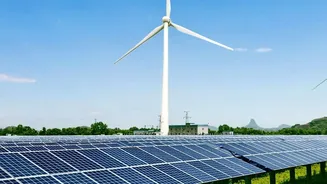
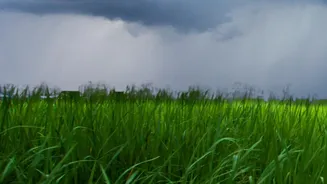
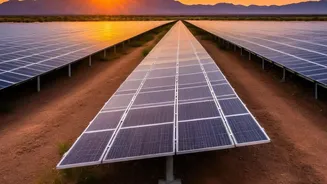
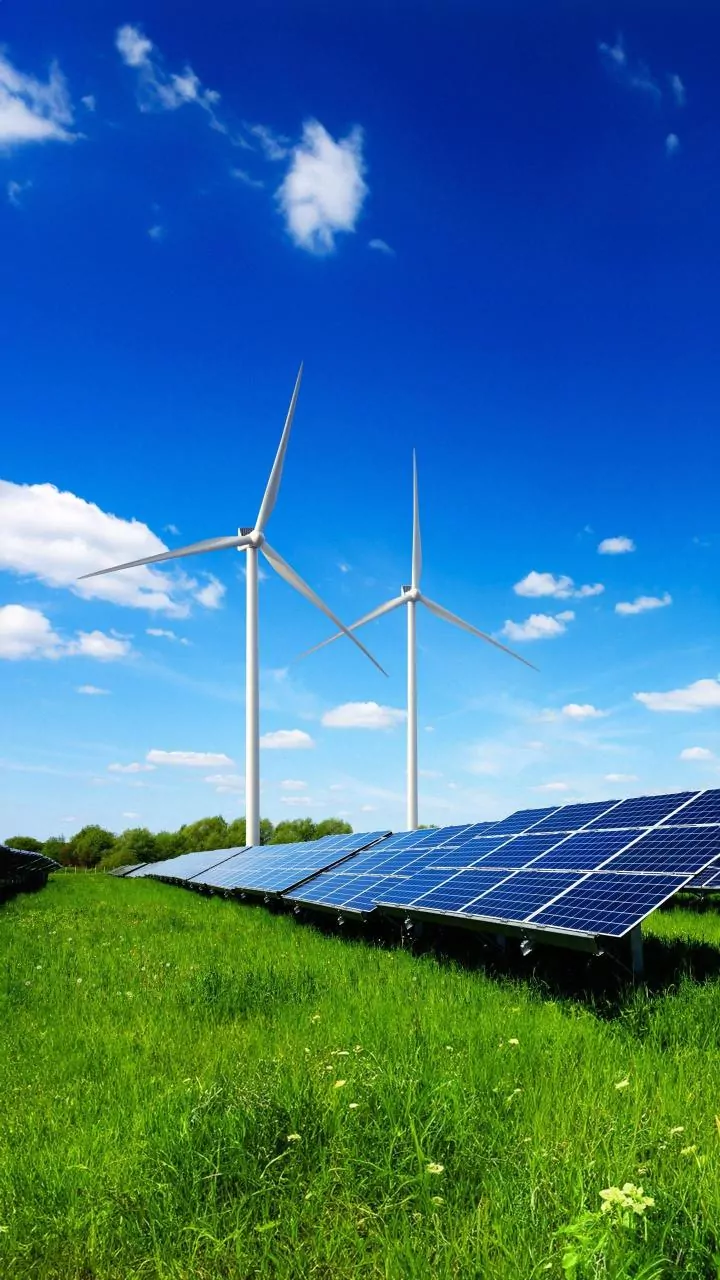
Imagine a farm where crops grow productively while, high above them, solar panels harvest the sun's energy. This is the core idea of agrivoltaics, or Agri-PV. In a country where land is a precious and often contested resource, this model seems like a perfect
solution. Instead of choosing between a solar park and a farm, you can have both. This approach allows farmers to become energy producers, or 'urjadaatas,' creating a new, stable income stream from selling electricity to the grid while still cultivating their land. This is particularly attractive under government initiatives like the PM-KUSUM scheme, which provides significant subsidies to farmers for installing solar infrastructure. The goal is to boost farmer income, reduce reliance on diesel for irrigation pumps, and help India meet its ambitious renewable energy targets without sacrificing agricultural land. Pilot projects have already demonstrated the potential, with some showing increased land productivity and a new source of revenue for farming communities.
The Shadow Dilemma
The fundamental challenge of agrivoltaics lies in a simple trade-off: every sunbeam captured by a solar panel is one that doesn't reach the crop below. This issue of crop shading is the single biggest concern for farmers and agricultural scientists. While the partial shade can be beneficial, especially in arid regions, by reducing heat stress and water evaporation, it can also significantly inhibit photosynthesis. Studies show that standard solar arrays can reduce the light reaching the ground by 30-50%. For sun-loving crops, this can lead to lower yields, stunted growth, and delayed harvests. Research indicates that while shade-tolerant crops like turmeric, spinach, coriander, and certain leafy greens can thrive, others see a noticeable decline in productivity. The success of an agrivoltaics project, therefore, is not guaranteed; it depends entirely on a delicate balance between energy generation and the specific light requirements of the crop being grown.
Voices From The Field
For farmers, the promise of a steady income from electricity generation is tempting, especially given the unpredictability of agricultural returns due to weather and market fluctuations. Selling power offers a buffer against a bad harvest. However, the primary concern remains the potential loss in their core agricultural yield. Early pilot projects across India, from Maharashtra to Jodhpur, have yielded mixed but often promising results. Some farmers report that the shade from panels protects crops from extreme heat and reduces the need for irrigation, leading to healthier plants and even increased yields for certain vegetables. Yet, the risk of reduced output for staple, sun-hungry crops is a major deterrent. The financial viability often depends on the type of crop, the design of the solar installation, and the tariff offered for the electricity. This has led to a cautious but curious approach from the farming community, who need more concrete evidence and region-specific data before making large-scale investments.
Designing a Brighter Future
Recognizing the crop shade problem, policymakers and researchers are actively working on solutions. The push is now towards smarter agrivoltaic systems. This includes using semi-transparent or bifacial panels that capture light from both sides, spacing panels further apart, or installing them on trackers that can be moved to control the amount of shade cast throughout the day. Recent workshops and policy discussions, especially in anticipation of a PM-KUSUM 2.0, have focused on creating dedicated frameworks for agrivoltaics. Research institutions are conducting more rigorous, region-specific studies to identify the perfect combination of panel design and crop type for different agro-climatic zones, from the orchards of Kashmir to the arid plains of Rajasthan. The goal is to develop clear standards and guidelines so that agrivoltaics can be implemented scientifically, rather than through guesswork, ensuring that both agricultural and energy goals are met without compromising either.