






Want to eat healthier, support local farmers, and enjoy the freshest flavours? The answer might be simpler than you think. A little meal planning is a powerful tool that transforms how you shop for and enjoy local, seasonal fruits.
Why 'Seasonal and Local' Matters
Before diving into the
'how', let's talk 'why'. Eating seasonal fruits means consuming them when they are at their natural peak of ripeness, flavour, and nutritional value. Produce that is grown and harvested in its proper season often contains more vitamins, minerals, and antioxidants. For example, a summer mango is naturally juicier and sweeter than one available off-season. When produce is local, it doesn't have to travel long distances, which means it’s fresher when it reaches you. This practice not only provides you with tastier, more nutrient-dense food but also supports local farmers and reduces the environmental impact associated with long-distance food transport. As a bonus, when fruits are in season, they are more abundant, which often drives down their cost, making it a budget-friendly choice.
Start at the Source: Know What’s in Season
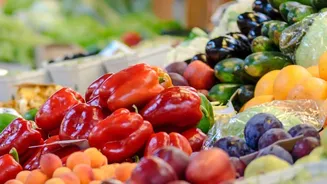
The first step in eating more seasonal fruit is knowing what’s available. Visiting your local farmers' markets is one of the best ways to see what's currently being harvested in your region. Growers are often happy to share tips and recipes. In India, the seasons bring a vibrant rotation: summers (March-June) are famous for mangoes, watermelons, and jackfruit. The monsoon (July-September) offers jamun, plums, and peaches. Autumn and winter (October-February) bring pomegranates, guavas, oranges, and various berries. A quick search for a 'seasonal food guide for your region' can provide a helpful calendar. By starting with what's fresh and local, you align your diet with nature's rhythm.
Plan Before You Shop to Avoid Waste
Meal planning is one of the most effective ways to reduce food waste and save money. Before you even make a shopping list, take a quick inventory of what you already have at home. Then, armed with the knowledge of what's in season, you can plan a few meals and snacks for the week. This simple act of planning prevents impulse buys and ensures you purchase produce with a purpose. Instead of wandering the aisles and grabbing things that look good (but might later spoil), you arrive with a clear list. This is especially crucial for perishable items like fresh fruit. By planning to use what you buy, you ensure that the beautiful berries or juicy peaches you bring home actually get eaten.
Build Your Meals Around Fresh Fruits
Incorporating fruit isn't just about grabbing an apple for a snack. A good meal plan finds creative ways to add fruit to every meal. For breakfast, add sliced bananas or berries to your oatmeal or cereal, or blend them into a smoothie. For lunch, add grapes or apple chunks to a chicken salad or toss some pomegranate seeds into a leafy green salad for a burst of flavour and texture. At dinner, fruits can be used in savoury dishes, such as a pineapple salsa for grilled chicken or a plum sauce for roasted meats. And for dessert, a simple bowl of mixed seasonal fruit is a refreshing and healthy option. The American Heart Association recommends filling half your plate with fruits and vegetables, and planning makes this goal much more achievable.
From Chore to Creative Habit
Initially, meal planning might feel like another task on your to do list. But reframing it as a creative habit can make it an enjoyable ritual. Think of it as a weekly opportunity to explore new tastes and recipes based on what's fresh. When you see beautiful plums at the market, your meal plan gives you the framework to try making a plum chutney or a simple baked dessert. It encourages variety in your diet, which helps you get a broader range of nutrients. Start small by planning just a few days a week or one meal per day. Soon, you'll find that this simple habit not only helps you eat more delicious, local, and seasonal fruits but also reduces stress around the daily question of 'what's for dinner?'.