

What Exactly Is a Bento Box?
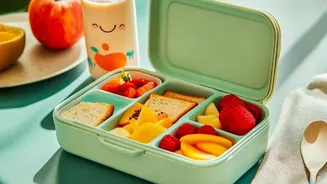
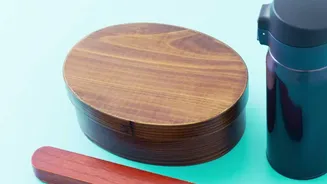
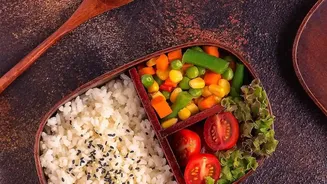
Originating in Japan, a bento is a single-portion, home-packed or take-out meal. Its defining feature is its compartments, which neatly separate different food items. The philosophy behind it is rooted in balance, convenience, and aesthetics. Traditionally,
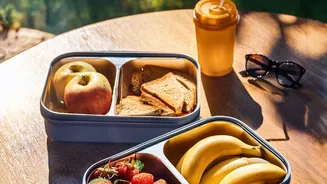
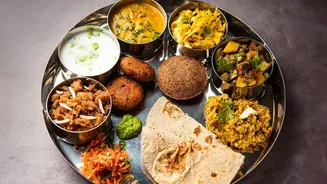
a bento contains rice or noodles, a protein like fish or meat, and a variety of pickled or cooked vegetables. Unlike the vertically stacked Indian tiffin, which is built to carry curries and rotis, the bento is a single-level box designed to hold a diverse range of items side-by-side without them mixing. This structure is key to its growing appeal.
An Upgrade from the Traditional Tiffin
For generations, the stainless steel tiffin has been a symbol of a home-cooked meal delivered with care. Its stacked design is perfect for Indian cuisine, keeping dal, sabzi, and rice separate and warm. However, the modern Indian diet is evolving. Many professionals and students are now incorporating salads, cut fruits, sandwiches, and drier preparations into their lunches. This is where the bento box excels. Its compartments prevent a crisp salad from getting soggy next to a portion of pulao, or a fruit salad from mingling with a paratha. This separation encourages a greater variety of textures and food groups in one meal, something harder to achieve in a traditional dabba.
The Triple Appeal: Health, Portions, and Pictures
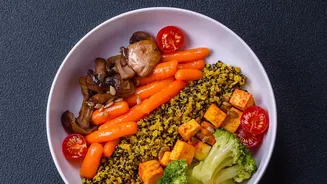
The bento trend is being driven by three key factors. First is health and wellness. The compartments naturally encourage portion control, helping to prevent overeating and food waste. This design makes it easier to pack a balanced meal with the right mix of carbs, proteins, and vegetables. Second is convenience. For those with busy schedules, a pre-portioned, mess-free meal is a major advantage. The third, and perhaps most modern driver, is aesthetics. A colourful, well-arranged bento box is incredibly photogenic, making it a star on social media platforms like Instagram. This visual appeal turns a simple lunch into a small, creative project, encouraging people to eat more mindfully and with greater enjoyment.
What an Indian Bento Looks Like
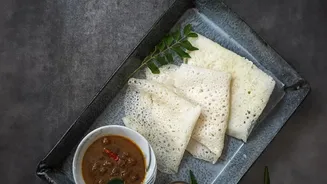
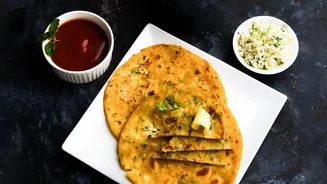
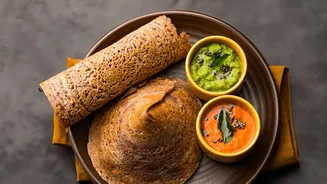
The beauty of the bento is its adaptability. You don't need sushi or teriyaki to pack a perfect bento. The concept translates effortlessly to Indian cuisine. Imagine a box with jeera rice in one compartment, paneer tikka skewers in another, a small portion of cucumber-and-tomato salad in a third, and a few dates for a sweet finish. Other popular combinations include mini idlis with chutney and sliced vegetables, aloo paratha with yoghurt and a side of fruit, or a colourful chickpea salad with a masala omelette. Fusion ideas are also gaining traction, with creations like paneer teriyaki and masala rice balls appearing in home-packed lunches. The possibilities are endless, allowing for daily variety that keeps lunch interesting.
A Modern Answer to Modern Needs
The rise of the bento box in India isn't about replacing the beloved tiffin, but rather about offering an alternative that suits evolving lifestyles. As urban work culture changes and health consciousness grows, people are seeking meal solutions that are convenient, balanced, and personalised. The bento box, with its focus on variety, portion control, and visual delight, fits these needs perfectly. It reflects a global food trend that has found a natural home in India, where the love for a diverse, home-cooked meal remains as strong as ever. It’s more than just a container; it’s a new way of thinking about the food we carry with us through the day.