





Understanding Post-Monsoon Frizz
During the monsoon, high humidity causes hair to absorb excess moisture from the air, which makes the hair shaft swell and leads to frizz. As the season transitions to drier autumn and winter, your hair, which is now accustomed to a moisture-rich environment,
can lose hydration rapidly. This fluctuation disrupts the hair's natural moisture balance. Dry, porous hair becomes even more desperate for moisture, causing its outer layer, the cuticle, to lift and create that familiar frizzy, unmanageable texture. The key is not to fight the weather but to adapt your routine to provide consistent, locked-in hydration.
Start with Gentle, Hydrating Cleansers
Aggressive washing with harsh, sulphate-heavy shampoos can strip your hair of its natural oils, making it drier and more susceptible to frizz. During this transitional period, switch to a gentle, sulphate-free shampoo that cleanses the scalp without causing dehydration. It’s also wise to avoid overwashing. Instead of a daily wash, aim for two to three times a week to allow your scalp's natural oils to nourish your strands. When you do wash, use lukewarm water, as hot water can further strip moisture and lift the hair cuticles.
Embrace Deep Conditioning Masks
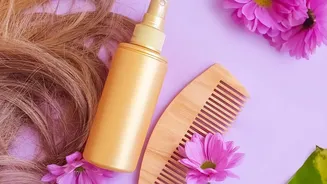
A weekly deep conditioning treatment is non-negotiable for locking in moisture. These masks are formulated to penetrate the hair shaft and deliver concentrated hydration. Look for products rich in nourishing ingredients like shea butter, argan oil, hyaluronic acid, and ceramides. Apply the mask generously from the mid-lengths to the ends of clean, damp hair. For an even application, gently comb it through with a wide-tooth comb. Let it sit for at least 15-20 minutes before rinsing with cool water to help seal the cuticles and lock in the benefits.
Leverage the Power of Hair Oils
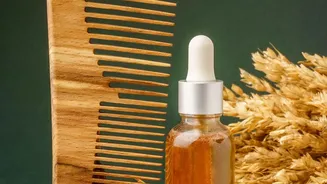
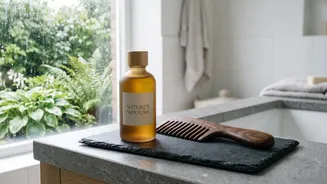
Hair oiling is an ancient practice that is incredibly effective at fighting frizz and nourishing hair. Oils form a protective barrier around the hair shaft, preventing moisture loss and protecting strands from environmental damage. You can use oils in two ways. As a pre-shampoo treatment, massage a nourishing oil like coconut, argan, or jojoba oil into your scalp and hair, leaving it on for at least an hour or even overnight before washing. Alternatively, use a small amount of a lightweight oil on the ends of dry hair to tame flyaways and add a touch of shine.
Seal Moisture with a LeaveIn Conditioner
A leavein conditioner is a crucial final step to seal in all the hydration you’ve just added. Unlike rinseout conditioners, these products stay on your hair, providing a continuous protective barrier against frizzcausing humidity. After washing and toweldrying your hair, apply a lightweight, frizzcontrol leavein conditioner evenly from the midlengths to ends. This helps to smooth the cuticle, detangle strands, and make your hair more manageable throughout the day. For those with fine hair, a spray formula works well, while thicker, curlier hair may benefit from a creambased product.
Smart Drying and Styling Habits
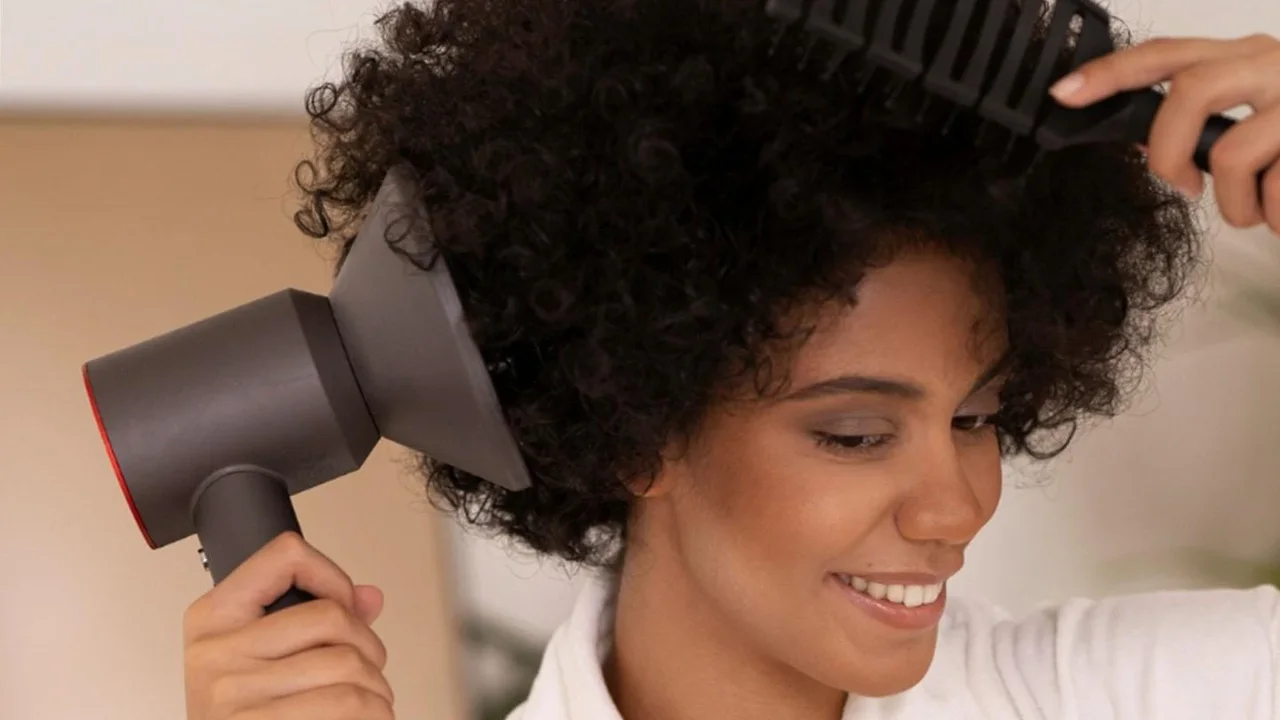
How you dry your hair is just as important as the products you use. Vigorously rubbing your hair with a regular towel can rough up the cuticle and cause immediate frizz. Instead, gently squeeze out excess water with a soft microfibre towel or an old cotton tshirt. Whenever possible, let your hair airdry. If you must use a blowdryer, apply a heat protectant first and use the cool or lowheat setting to minimise damage. Avoid tight hairstyles that can cause tension and breakage, which will only exacerbate the appearance of frizz.