


Zermatt: The Matterhorn's Price Tag
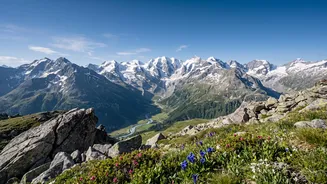
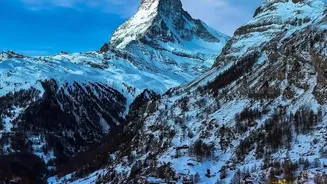
Home to the iconic Matterhorn, Zermatt is a car-free alpine resort that represents the peak of Swiss mountain tourism in both scenery and expense. It is one of the most expensive destinations in an already pricey country. The main draws are the Gornergrat
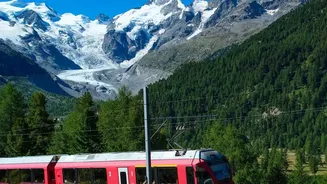
railway and the Matterhorn Glacier Paradise cable car, which offer breathtaking, close-up views of the peak. The catch? A return ticket for one of these excursions can cost well over 100 Swiss francs per person. Dining out is similarly steep, with simple mains at casual restaurants often costing 25 to 35 francs. The village is busiest during the peak ski season (December to April) and summer hiking months (July and August), when both the slopes and the main viewing platforms can feel congested. To save money, consider staying in the nearby village of Täsch and taking the shuttle train, though this means sacrificing the magic of Zermatt's car-free evenings.
Jungfrau Region: Adventure Central
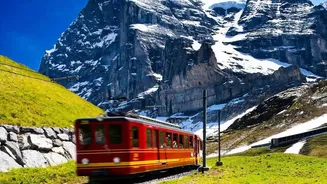
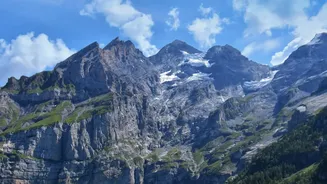
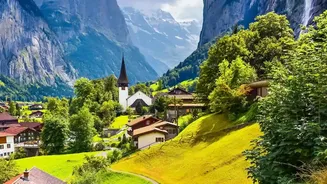
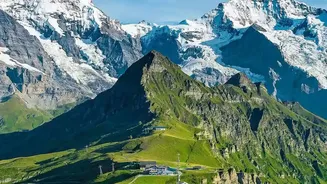
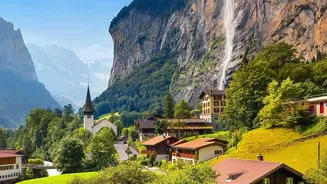
The area encompassing Interlaken, Grindelwald, and Lauterbrunnen is the heart of the Bernese Oberland and a magnet for adventure seekers. Its biggest attraction is the Jungfraujoch, dubbed the 'Top of Europe', which is reached by a combination of gondola and cogwheel train. The journey is an engineering marvel, but it comes at a significant cost, with standard return tickets from Interlaken costing upwards of 230 francs in peak season. The region is extremely popular from late spring to early autumn, with July and August seeing the highest concentration of tourists. This leads to crowded trains, full viewing platforms, and long queues for activities. Food on the mountains is also pricey, with a simple lunch easily costing 30% to 50% more than in the valleys. While passes like the Swiss Travel Pass offer discounts, the sheer number of expensive cable cars means costs add up quickly. For a quieter experience, visit in the shoulder months of June or September.
Lucerne: The Quintessential Swiss City
With its medieval Chapel Bridge, shimmering lake, and proximity to mountains like Pilatus and Rigi, Lucerne is a postcard-perfect city. This popularity means that in summer, the compact Old Town can feel overwhelmingly crowded with day-trippers and tour groups. While many of the city's main sights, like the famous bridge and Lion Monument, are free, the associated costs are high. Lucerne is expensive, even by Swiss standards; a simple lunch can cost around 25 francs, and a coffee can set you back 6 francs. The biggest expenses are the mountain excursions. A 'Golden Round Trip' ticket to the summit of Mount Pilatus, for example, costs roughly 120 francs per person. To mitigate costs and crowds, visiting in the shoulder season (late May or September) is a wise move. Hotel guests also receive a visitor card providing free local transport, which helps manage expenses within the city.
Geneva: The Cosmopolitan Hub
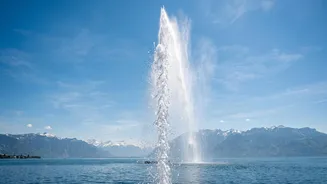
As a global centre for diplomacy and banking, Geneva has a sophisticated but expensive character. The city is busiest and most costly from June to August, when festivals and long days draw large numbers of visitors. While a trip here can be pricey, with mid-range hotels often costing over 200 francs a night, Geneva offers some excellent value. All hotel guests receive a free transport card for unlimited use of the city's excellent public transit system. Many of the top attractions, including the Jet d'Eau fountain, the Old Town, and the permanent collections of numerous museums, are free to enjoy. A sit-down meal can be expensive, but you can save by eating at bakeries or getting takeaway. The shoulder seasons of April-May and September-October offer the best balance of pleasant weather, fewer crowds, and lower hotel rates.
Zurich: The Elegant Financial Capital
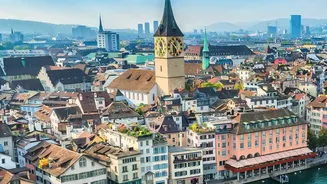
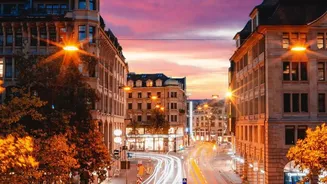
Often ranked as one of the world's most expensive cities, Zurich's reputation is well-earned. A mid-range traveller can expect to spend over 300 francs per day. Accommodation is a major expense, with 4-star hotels often starting around 250 francs per night. Eating out is also a significant cost, where a main course at a standard restaurant can average 30-35 francs. However, Zurich is not just for big budgets. The city's public transport is highly efficient, and a day ticket is a cost-effective way to get around. Like Geneva, it offers many free attractions, including exploring the charming Old Town on foot, swimming in the lake during summer, and drinking from over 1,200 public fountains. Crowds are less of an issue here compared to the alpine resorts, as tourism is spread more evenly throughout the year, though summer remains the peak season. Weekends can sometimes offer cheaper hotel rates as business travellers depart.