







The Anti-Itinerary Generation
For many young Indians, travel is no longer about a single, meticulously planned annual trip. Instead, it’s a constant, evolving part of their lifestyle. Recent reports show a dramatic shift in travel habits, with nearly seven in ten Gen Z travellers
preferring multiple short trips over one long holiday. This generation values experiences over attractions, with 95% stating they want a trip to feel personal and unique, not pre-planned. The result is a move toward what some call 'anti-itinerary' travel, where the goal is not to see everything but to feel something. Spontaneity is key, with a majority booking their trips just days or weeks in advance, embracing the freedom to go where the mood takes them.
Work, Wanderlust, and the 'Workation'
The rise of remote work has been a game-changer, untethering millions of young professionals from city office towers. This has fuelled the 'digital nomad' trend within India, turning holiday spots into temporary workplaces. Professionals can now trade their city apartments for a homestay in the mountains of Himachal Pradesh or a beachside cafe in Goa without missing a deadline. This lifestyle demands flexibility; it's less about a two-week vacation and more about extending stays in places that offer good connectivity and a great quality of life. As a result, destinations are seeing economic benefits, with an increase in local business revenue and a boom in co-working spaces. The line between work and travel has blurred, creating a need for itineraries that can change as easily as a Wi-Fi password.
A Search for Authentic Connection
Today's young traveller is seeking more than just a pretty picture for social media; they're looking for genuine connection and authentic experiences. This quest often leads them off the beaten path, away from crowded tourist traps. An overwhelming 90% of young travellers actively seek out places that aren't widely recommended online, preferring slow travel and culinary exploration. The focus has shifted from 'seeing' a place to 'living' it, even for a short while. This means spending time in unique accommodations, with 63% saying they choose a destination because of a specific stay they discovered. For this generation, travel is an act of self-expression; 87% say the way they travel reflects who they are. This desire for authenticity is incompatible with a rigid schedule that rushes from one landmark to another.
Technology as the Great Enabler
This new era of spontaneous travel is powered by technology. Reliable mobile internet has expanded across the country, making it possible to work from almost anywhere. A strong 5G network means that even in remote areas, a stable connection is often just a data plan away. Simultaneously, online travel agencies and platforms with flexible cancellation policies have reduced the financial risk of last-minute changes. Travellers can book flights, find unique homestays, and arrange transport with a few taps on their phone, making it easier than ever to follow a whim. This digital infrastructure provides the safety net that allows for unplanned adventures, giving travellers the confidence to book a trip without a detailed plan.
The Joy of Doing Nothing
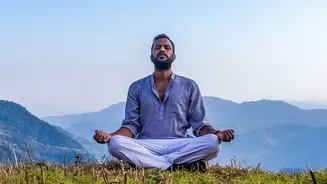
Perhaps the most significant driver behind the move to flexible itineraries is a fundamental shift in the definition of a successful holiday. For many young Indians whose daily lives are highly structured and often stressful, rest itself is the destination. Recent studies have found that nearly two-thirds of young travellers take trips simply to relax, recharge, and embrace the joy of doing very little. There's a growing understanding that leisure doesn't need to be justified by a packed schedule. The perfect trip is no longer about returning with a camera full of tourist spots, but about returning rested and rejuvenated. A flexible itinerary allows for this, creating space for unscheduled naps, long conversations, and the simple, priceless pleasure of having nowhere to be.