

Looking for a touch of green in a shady corner where nothing else will grow? Moss gardens offer a serene, low-maintenance solution, bringing lush texture and year-round colour to difficult spots both indoors and out.
Meet Your Moss: Sheet vs. Cushion
Not all moss is the same. For decorating,
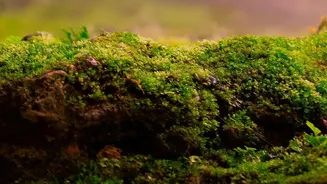
two types stand out for their beauty and adaptability: sheet moss and cushion moss. Sheet moss, often from the Hypnum genus, grows in flat, dense mats that resemble a vibrant green carpet. It's excellent for covering ground, wrapping around the base of plants, or creating a seamless, verdant floor in a terrarium. Cushion moss, also known as pillow or bun moss (Leucobryum glaucum), grows in distinctive round, pillowy mounds. These soft, dome-shaped clumps provide sculptural accents and a sense of gentle hills in a miniature landscape. While sheet moss creates a foundation, cushion moss adds texture and focal points.
The Unique Advantage of Shade
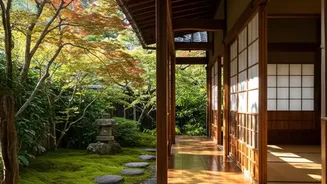
Most garden plants crave sun, but many mosses have evolved to thrive where sunlight is scarce. This makes them the perfect solution for those frustratingly dim areas of your garden, like the space under mature trees, along a north-facing wall, or in a narrow side yard. Mosses are non-vascular plants, meaning they don't have true roots. Instead, they absorb water and nutrients directly through their leaves from the air and rain. This allows them to grow on compacted, acidic soil where grass and other plants fail. They love the cool, damp conditions that shade provides and will often maintain their green colour throughout the year, offering a permanent splash of life in otherwise bare spots.
Designing Your Green Sanctuary
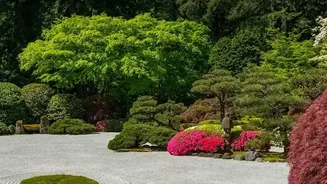
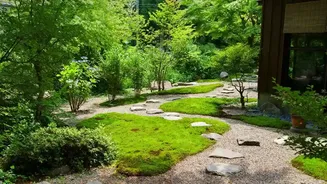
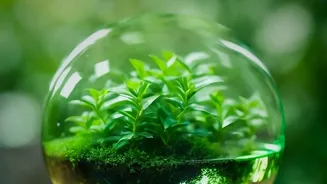
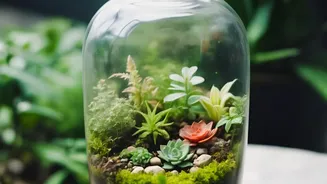
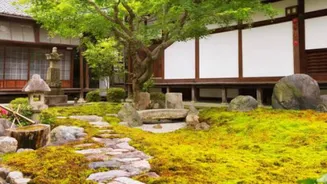
The creative possibilities with moss are nearly endless. Outdoors, use sheet moss to create a soft, no-mow lawn alternative in a shady part of your yard, adding stepping stones for a tranquil path. It's also perfect for filling the gaps between pavers or softening the base of a stone wall. Cushion moss can be arranged around rocks or at the base of companion plants like ferns and hostas to create a layered, woodland effect. Indoors, moss truly shines in terrariums and container gardens. A shallow bowl filled with cushion moss makes a stunning, living centrepiece. In a glass terrarium, you can use sheet moss as a lush carpet and cushion moss to build gentle slopes and frame miniature ornaments.
Getting Started: Sourcing and Planting
You can purchase live moss from native plant nurseries or online suppliers that cultivate it sustainably. Before planting outdoors, clear the desired area of all weeds, grass, and debris. Unlike other plants, moss prefers a firm, compacted surface, so there's no need to till the soil. Simply press the pieces of moss firmly onto the prepared ground, ensuring good contact. For indoor containers, you can place the moss on a base of peat or a mix that helps retain moisture. To help moss spread over a larger area, you can create a 'moss milkshake' by blending fragments of moss with water, beer, or diluted dairy, then painting the slurry onto the surface.
Care and Long_Term Maintenance
While moss is low_maintenance , it's not 'no_maintenance'. The most critical factor is moisture . Newly planted moss needs to be kept consistently moist until it establishes itself , which can take several weeks . Misting regularly with a spray bottle is the best way to water , as pouring water can dislodge it . Using rainwater or distilled water is ideal , as the chlorine in tap water can be harmful . Moss thrives in high humidity but dislikes being waterlogged , so ensure there is some drainage . Once established , it is quite resilient but will appreciate watering during extended dry periods . If it looks pale or dry , a good misting will usually bring its vibrant green colour back within minutes .