



From Digital to Physical
You are likely familiar with generative AI like ChatGPT, which processes vast amounts of internet data to produce language and ideas. Physical AI is the next evolution. It combines these advanced AI models with a physical body—a robot, a car, or another
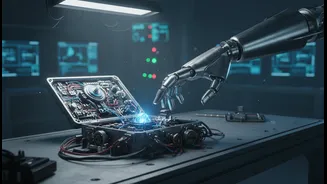
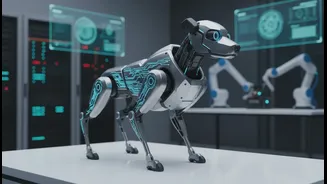
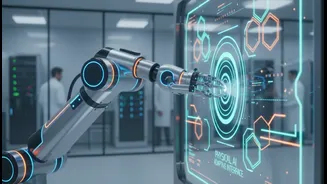
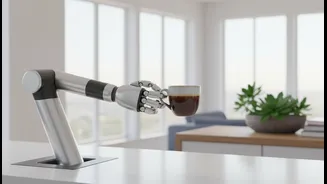
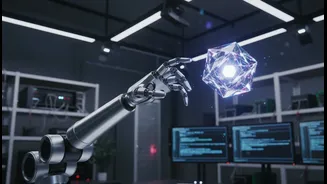
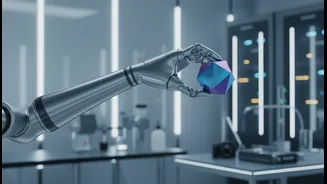
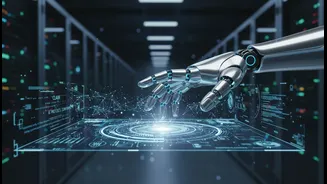
machine—equipped with sensors like cameras and microphones. This allows the machine not just to 'think' but to perceive, understand, reason, and act in the physical world. Instead of just analyzing data, Physical AI translates digital intelligence into real-world action. Think of it as the difference between writing a set of instructions and actually being able to carry them out, adapting to unexpected changes along the way. This leap from pre-programmed automation to genuine autonomy is what makes Physical AI so revolutionary.
What Is New: Humanoids and Smarter Software
The most visible sign of progress is the rise of advanced humanoid robots. Companies like Boston Dynamics and Figure AI are at the forefront. In early 2026, Boston Dynamics unveiled a new, fully electric version of its Atlas robot, designed for industrial work and ready for commercial production. These new robots are not just lab prototypes; they are being deployed in real-world settings, like Hyundai's car manufacturing plants. Similarly, Figure AI, a rapidly growing startup, has deployed its humanoids in manufacturing facilities. These machines are powered by new AI models that allow them to learn complex tasks quickly, sometimes in less than a day, by observing humans or through advanced simulations. This shift from rigid coding to end-to-end learning means robots can adapt to new tasks without an engineer rewriting every line of code.
What Matters: Transforming Industries
The impact of Physical AI is about more than just impressive robot videos; it’s about solving real-world problems. The technology is poised to transform industries facing significant labor shortages. In manufacturing and logistics, robots are beginning to handle repetitive, physically demanding, or dangerous tasks, working alongside human employees. For example, one company reduced the human labor required for complex welding tasks by over 90% using AI-powered robots. Beyond the factory floor, applications are emerging in healthcare, with surgical robots performing procedures with incredible precision, and in transportation, with autonomous vehicles navigating complex city streets. For businesses, especially small and medium-sized enterprises, the rise of Robotics-as-a-Service (RaaS) models makes this advanced technology more accessible, lowering the barrier from a massive upfront cost to a manageable operating expense.
What Remains Unclear: The Hurdles Ahead
Despite rapid progress, scaling Physical AI presents significant challenges. The real world is messy and unpredictable, unlike the clean, digital environments where software AI thrives. One of the biggest bottlenecks is data. While a chatbot can learn from billions of text prompts online, a robot must learn through physical interaction, which is slow, expensive, and involves wear and tear on hardware. Another challenge is dexterity and reliability; many systems still struggle with variability and require highly controlled conditions to function properly. There are also major technical hurdles in power consumption, with battery life constraining mobile robots, and the need for specialized computer chips designed for real-time decision-making at the 'edge' rather than in a distant data center. Finally, ensuring the safety of humans interacting with powerful, autonomous machines is a paramount concern that requires new regulatory frameworks and a focus on human-centric design.