


Understanding the Late-Monsoon Season
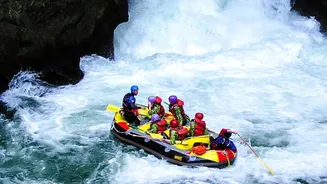
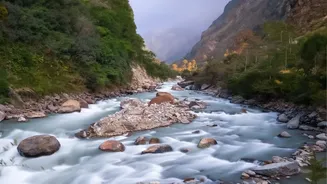
After being closed from July to mid-September for peak monsoon, Rishikesh reopens for rafting just as the season wanes. This period, from late September to October, is considered one of the best times for rafting. The river, fed by monsoon rains, is at its
most voluminous, creating bigger, more exhilarating rapids. The weather is pleasant, and the landscape is lush and beautiful. However, higher water levels also mean faster currents and more turbulent rapids, which adds a layer of risk, especially for beginners. This isn't the time for complacency; it’s the time for a well-prepared adventure.
Safety First: Non-Negotiable Rules
When the river is powerful, safety becomes paramount. Your first and most important decision is choosing a licensed, government-approved rafting operator. These companies adhere to strict safety standards, use high-quality equipment, and employ certified guides trained in rescue operations. During the safety briefing, listen carefully to your guide’s instructions on paddling commands and what to do if you fall into the water. Always wear your Personal Flotation Device (PFD) and helmet correctly; they should be snug and secure at all times. Even if you are a good swimmer, the river's current is strong. Trust your gear and your guide.
Choosing the Right Rafting Stretch
Rishikesh offers several rafting stretches, each with a different length and difficulty level, known as grades. For first-timers, especially during the high-water season, it's crucial to start with a beginner-friendly route. The Brahmpuri to Rishikesh stretch (around 9 km) is typically Grade I-II and is perfect for novices and families. The Shivpuri to Rishikesh stretch (around 16 km) is a step up, featuring Grade II and III rapids, and is the most popular choice. Longer, more challenging routes like Marine Drive (24 km) or Kaudiyala (35 km) involve Grade IV and V rapids and are best left to experienced rafters, particularly when water levels are high. Don't let ego dictate your choice; a safe and enjoyable experience is the goal.
Smart Budgeting for Your Trip
An adrenaline-filled trip doesn't have to empty your wallet. Rafting costs in Rishikesh are quite affordable, typically ranging from ₹600 to ₹1,500 per person for beginner and intermediate stretches. To save money, consider bundling rafting with camping in a package deal, which often proves more economical. For accommodation, skip the pricey hotels and opt for budget-friendly guesthouses or hostels in areas like Tapovan, which can cost between ₹1,500 to ₹4,000. Eating at local dhabas instead of tourist-centric cafes will also significantly cut down your food expenses. Travelling to Rishikesh by bus or train is far cheaper than taking a taxi, with AC bus tickets from Delhi costing around ₹500-₹1,200.
What to Wear and What to Bring
Dressing appropriately is key to comfort and safety. Avoid cotton clothing at all costs, as it gets heavy when wet and makes you feel cold. Instead, opt for quick-drying synthetic materials like polyester. Secure footwear is a must; choose river sandals with straps or an old pair of sneakers. Flip-flops are a definite no-go as they will get lost in the river. While the operator provides all rafting gear, you should bring a towel and an extra set of dry clothes for after the trip. Carry a waterproof bag for your phone and wallet, though it's best to leave most valuables at your hotel. A waterproof sunscreen is also a good idea to protect against sunburn.