




A Flood of New Lunar Data
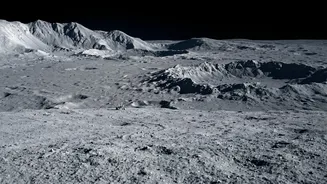
NASA has released a massive 800-gigabyte archive of data from the Artemis II mission, which successfully flew four astronauts around the Moon in April 2026. This treasure trove, now available to the public and scientists worldwide, includes over 11,000
high-resolution images and videos, 8.5 hours of audio recordings, and the crew's own annotated notes. This mission marked the first time since the Apollo era that human eyes and hands were the primary tools for planetary science in deep space, blending trained observation with the irreplaceable element of human curiosity.
Surprising Sights and Sounds
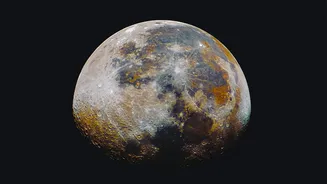
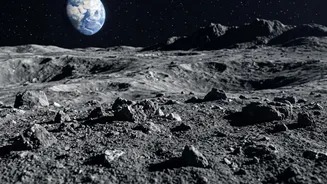
Among the most astonishing findings were five faint 'pinprick' flashes of light spotted on the lunar surface. These were confirmed to be impacts from small meteoroids, some perhaps only a few inches wide, striking the Moon at thousands of miles per hour. The crew's ability to spot these events, likely the faintest ever seen by the human eye, provides crucial data for assessing the risk to future lunar habitats. The astronauts also documented a surprising palette of colors on the supposedly grey Moon, reporting subtle hues of brown, tan, green, and even blue, which can help geologists map mineral compositions. Their verbal descriptions and real-time reactions, captured in audio files, add a rich layer of context that robotic missions cannot replicate.
The Human Element in Space Science
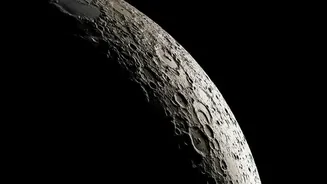
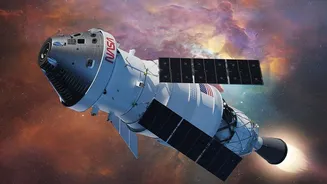
Artemis II was more than a validation of the Orion spacecraft and its systems; it was a powerful demonstration of the value of human observation. The crew, comprising NASA astronauts Reid Wiseman, Victor Glover, Christina Koch, and Canadian Space Agency astronaut Jeremy Hansen, underwent extensive geology training. This allowed them to make quick decisions on what to photograph and provide nuanced descriptions of geological features, especially under difficult lighting conditions near the Moon's terminator—the line between day and night. This human factor is vital, as astronauts can integrate what they see with contextual understanding in a way that automated systems can't.
More Than a Moon Flyby
Beyond observing the Moon, the astronauts were themselves subjects of scientific study. The mission gathered extensive data on how deep space affects the human body. Studies tracked everything from the impact of radiation beyond Earth's protective magnetic field to changes in sleep patterns, stress levels, and cognitive performance. This health data is essential for planning longer and more ambitious missions, including the establishment of a sustained presence on the Moon and eventual journeys to Mars.
Paving the Way for Our Return
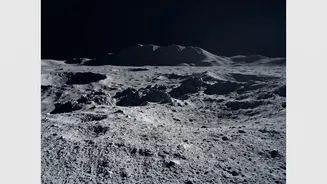
Every piece of data from Artemis II is now being used to inform the next, even more ambitious, phase of exploration: Artemis III. That mission will land astronauts, including the first woman, on the lunar surface. The high-resolution images of mountains and craters, observations of impact risks, and data on how the spacecraft's life support systems performed are all critical for planning a safe and successful landing. The success of Artemis II's scientific objectives has energized the global science community and laid a solid foundation for humanity's return to the Moon.