





The Power of the Humble Fig
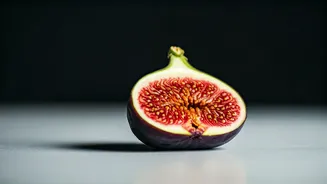
Known as anjeer in India, the fig is a small, teardrop-shaped fruit that packs a surprising amount of flavour and texture. With a soft, jammy centre and tiny, crunchy seeds, it offers a delightful eating experience unlike any other fruit. They are a powerhouse
of nutrients, rich in dietary fibre which aids digestion, and essential minerals like potassium, calcium, and iron that support overall wellness. Figs contain antioxidants that help the body manage daily stressors and can contribute to heart and bone health. Whether you find them fresh or dried, figs have a natural, honey-like sweetness that makes them a perfect addition to a variety of dishes.
Morning Glory: Breakfast Upgraded
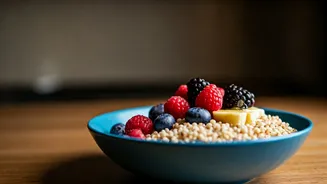
Tired of the same old breakfast? Figs are here to rescue your morning routine. For a quick and nutritious start, slice fresh figs and add them to your bowl of yogurt or porridge. Their sweetness beautifully contrasts with creamy yogurt, and their texture adds a new dimension to oatmeal. You can also top your toast with a spread of fresh cheese, like ricotta or paneer, and arrange fig slices on top for a simple but elegant meal. If you have more time, blending figs into your morning smoothie adds natural thickness and a flavour boost without any refined sugar. For a savoury twist, try baked figs with feta cheese and a drizzle of balsamic vinegar. The combination of sweet, salty, and tangy is an incredible way to wake up your taste buds.
Sweet Endings: Desserts Redefined
When it comes to dessert, figs bring a touch of effortless sophistication. One of the simplest yet most impressive ways to serve them is baked or roasted. Halve fresh figs, drizzle them with honey, and bake for about 10 minutes. Served warm with a scoop of vanilla ice cream or a dollop of yogurt, this simple dish is a guaranteed crowd-pleaser. Figs also work wonderfully in baked goods. Chopped dried figs can be folded into the batter for cakes, muffins, or scones, adding pockets of chewy sweetness. A fresh fig tart, with the fruits arranged beautifully over a pastry base, makes for a stunning centrepiece that is surprisingly easy to make. You can even create a simple compote by simmering figs with a little water and sugar, which can then be used to top cheesecakes, panna cotta, or even your morning pancakes.
Fresh vs. Dried: Your Fig Guide
Both fresh and dried figs are delicious, but they have different characteristics. Fresh figs are delicate with a floral flavour and are highly perishable, lasting only a few days in the fridge. Look for fruits that are plump and tender with a deep colour, but without any bruises. They should be stored in a single layer on a paper towel to prevent bruising. You can eat them skin and all after a gentle wash. Dried figs are available year-round and have a much longer shelf life. Their flavour is more concentrated and sweeter, and their texture is dense and chewy. While fresh figs contain more vitamin C and A, dried figs have higher concentrations of fibre, minerals, and antioxidants. Dried figs are perfect for snacking or chopping into baked goods, while fresh figs shine when they are the star of the dish.