


The Old Cycle: Feast and Famine
For years, the approach to festive eating has been one of extremes. We dive into rich meals, sweets, and snacks, telling ourselves we'll 'be good' after the celebrations are over. This all-or-nothing mindset sets up a stressful cycle: indulgence leads
to guilt, which then fuels a period of intense restriction. Post-festival diets often involve cutting out entire food groups, surviving on juices, or drastically slashing calories. While the intention might be to 'undo the damage,' this approach often backfires. It can lead to feelings of deprivation, nutrient deficiencies, and can set the stage for overeating once the diet inevitably ends, perpetuating a yo-yo effect that is hard on both body and mind.
The Rise of Food Freedom
A growing number of people are rejecting this punishing cycle in favour of a more compassionate and balanced approach. This new mindset, often called mindful or intuitive eating, is about ditching the 'good food' vs 'bad food' labels and instead listening to your body's cues of hunger, fullness, and satisfaction. The goal isn't to restrict, but to be present and make conscious choices. This shift is about reclaiming the joy in food, especially during cultural celebrations where food is central to connection and tradition. It's an understanding that one meal, or even a few days of festive eating, doesn't ruin your health. By letting go of guilt, you can savour your favourite treats without feeling the need to overindulge or later 'atone' for them.
What a Balanced Festive Plate Looks Like
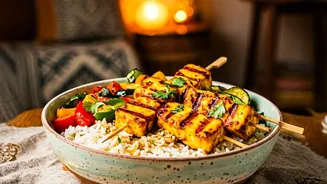
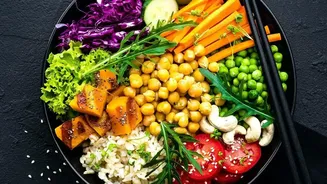
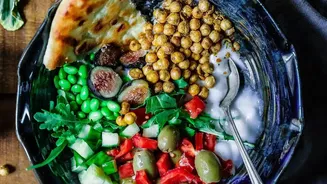
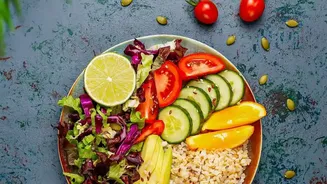
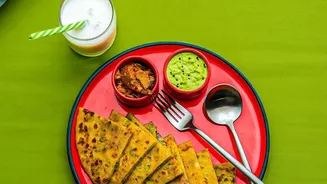
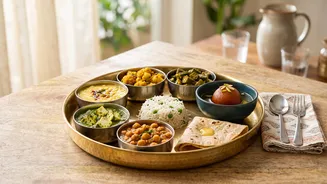
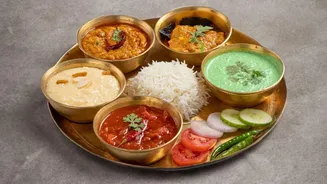
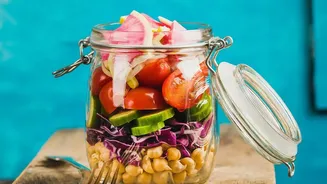
Adopting a balanced approach doesn't mean your plate has to be boring. In fact, it’s all about smart composition. Nutrition experts often recommend the 'plate method' as a simple visual guide. Aim to fill half of your plate with vegetables, whether as a salad or a cooked side dish. These are high in fibre, which helps you feel full and aids digestion. Dedicate one-quarter of your plate to a source of lean protein—like dal, paneer, grilled chicken, or fish. Protein increases satiety, helping to prevent overeating. The final quarter can be for carbohydrates, such as rice, roti, or potatoes. And what about the festive specialities? There’s room for them too. By building a balanced base, you can enjoy a portion of your favourite rich curry or a piece of mithai without displacing essential nutrients.
Practical Tips for Mindful Indulgence
Navigating the abundance of a festive spread can be made easier with a few simple strategies. First, don't skip meals to 'save calories' for a big party; this often leads to arriving overly hungry and overeating. Having a small, protein-rich snack beforehand can curb extreme hunger. Staying hydrated is also key, as thirst is often mistaken for hunger. When you're at the table, eat slowly and savour each bite, paying attention to the flavours and textures. This gives your brain time to register fullness. And be selective—instead of trying a little bit of everything, prioritise the dishes you truly love and will enjoy the most. Sharing a dessert can also be a great way to satisfy a sweet craving without feeling overly full.
Beyond the Plate: Movement and Mindset
A balanced approach to festive well-being extends beyond just food. Incorporating gentle movement into your days can make a huge difference. This doesn't mean you need to do a high-intensity workout to 'burn off' calories. Instead, think of it as a way to boost your mood, aid digestion, and manage stress. A post-meal walk with family, some light stretching, or even dancing during celebrations are all excellent ways to stay active. The most important shift, however, is in your mindset. Let go of the pressure to be 'perfect'. Festivals are a time for connection and joy, and food is an integral part of that experience. By embracing moderation and self-compassion, you can enjoy the celebrations fully, without the looming shadow of a restrictive diet.