

Embracing the Monsoon Magic
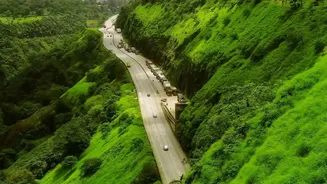
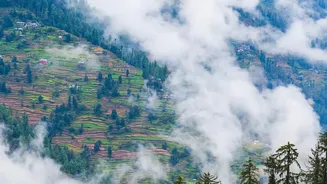
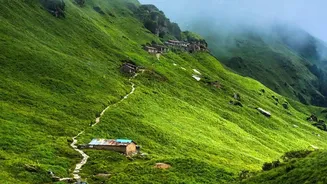
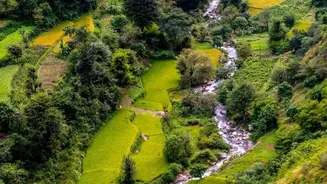
The monsoon season, typically from July to September, breathes a unique life into the valleys of Himachal Pradesh. Far from being a time to avoid, it’s when these landscapes are at their most vibrant and photogenic. Tirthan Valley and Shoja, known for
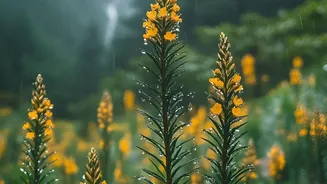
being less commercialised than their popular counterparts, become exceptionally beautiful. The air is thick with the scent of wet earth and pine, clouds hang low in the valleys, and the constant drizzle washes the world into a brilliant, clean green. It’s a season for fewer tourists, which means more peace and quiet, allowing for a deeper connection with nature. For those who appreciate solitude and the dramatic beauty of rain-swept mountains, this is the perfect time to visit.
Tirthan Valley: A Riverside Paradise
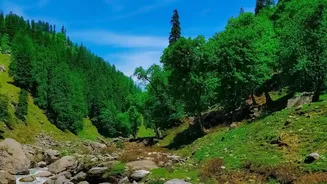
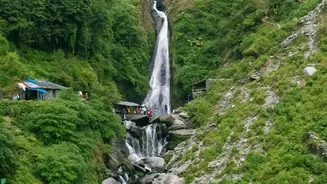
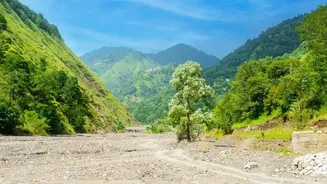
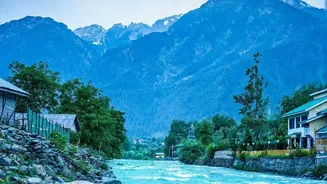
Nestled in the Kullu district, Tirthan Valley gets its name from the pristine Tirthan River that flows through it. This valley serves as the gateway to the Great Himalayan National Park (GHNP), a UNESCO World Heritage Site celebrated for its incredible biodiversity. During the monsoon, the river is full and powerful, and the surrounding forests are a testament to nature's abundance. Key villages like Gushaini and Nagini offer rustic homestays and guesthouses right by the river, where you can spend your days listening to the sound of flowing water. While multi-day treks into the GHNP might be challenging, shorter hikes to nearby waterfalls like Chhoie Waterfall are highly rewarding. The valley is also famous for its trout, and angling is a popular, meditative activity here.
Shoja: The Hamlet in the Clouds
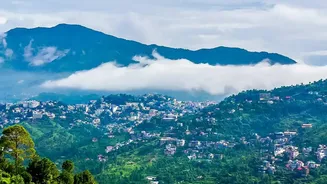
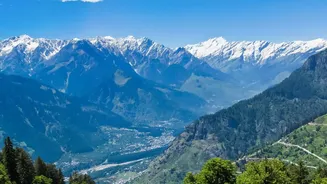
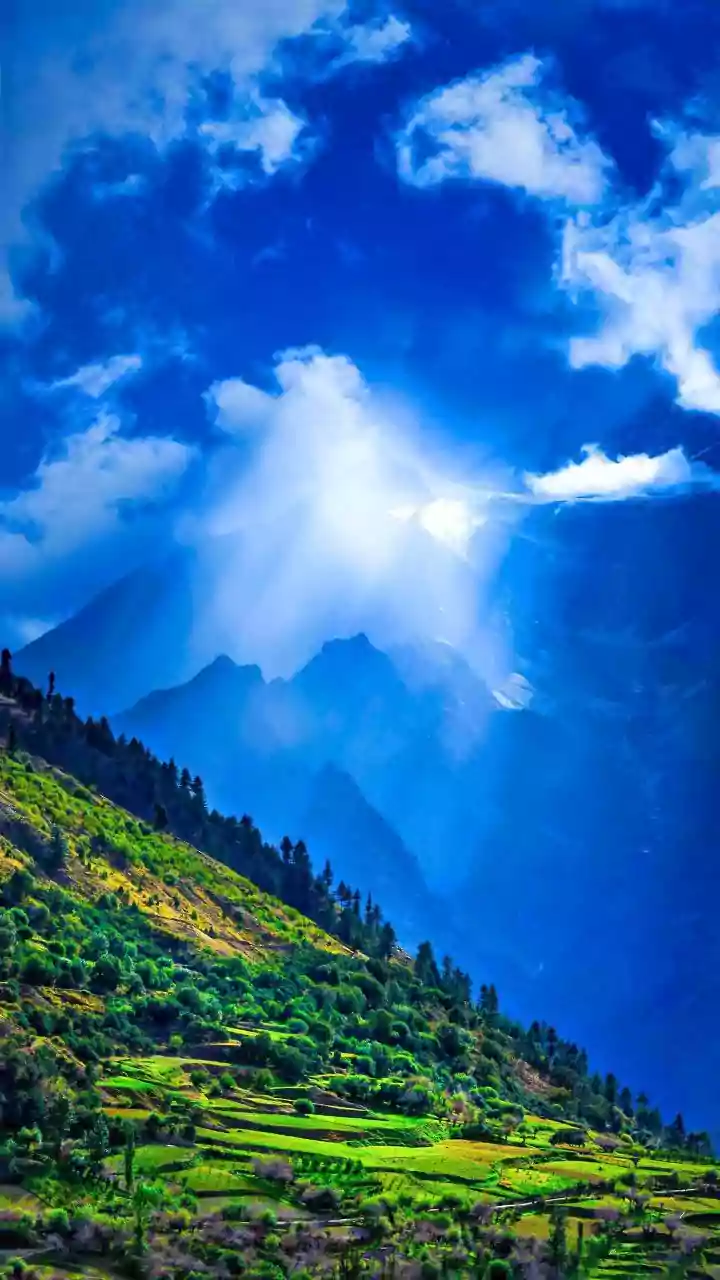
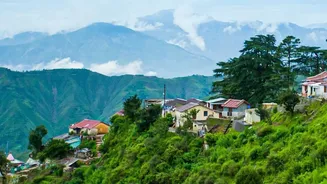
Located a short, steep drive up from the main Banjar-Jibhi road, Shoja is a tiny, tranquil village that offers a different perspective. Sitting at a higher altitude of about 2,700 metres, it is often enveloped in mist during the monsoon, creating a truly mystical atmosphere. This quiet hamlet is the ideal base for those wanting to be closer to Jalori Pass, the gateway to stunning treks. From Shoja, you can enjoy panoramic views of the entire valley when the clouds part. The village itself is small, encouraging a slower pace of life. It’s a place to read a book on a wooden balcony, walk through dense deodar forests, and simply be present in the quietude of the mountains.
Monsoon Adventures and Activities
While heavy rains can make some activities tricky, there is still plenty to do. The drive to Jalori Pass (around 10,800 feet) is an adventure in itself, though it's crucial to check road conditions beforehand as landslides can cause temporary closures. From the pass, the 5 km trek to Serolsar Lake is a popular choice. The path winds through a dense oak forest and can be slippery, so good footwear is essential. The lake itself, surrounded by trees, is a picture of serenity. Another popular activity is visiting the ancient Chehni Kothi, a towering 1500-year-old structure made of stone and wood, which requires a short hike. These excursions are best done in the first half of the day before afternoon rain showers typically set in.
Homestays and Local Flavours
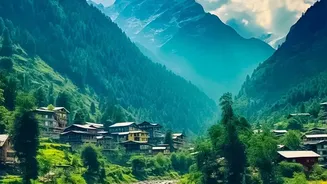
One of the highlights of a trip to this region is the experience of staying in a traditional Himachali homestay. These are often built in the classic Kath-Kuni style—an architectural technique using alternating layers of wood and stone. Staying with a local family offers an authentic glimpse into the culture and way of life. It’s also an opportunity to savour delicious home-cooked Himachali food. Don't miss trying dishes like Siddu (a steamed, stuffed bread) and the local trout preparations, which are a specialty of the valley. The warmth of the hosts, combined with cozy bonfires on chilly, rainy evenings, makes for an unforgettable experience.
Planning Your Monsoon Trip
Reaching Tirthan Valley and Shoja involves an overnight bus from Delhi or Chandigarh to Aut, followed by a taxi. When travelling during monsoon, it’s vital to be prepared. Pack waterproof jackets, quick-drying clothes, and sturdy shoes with good grip. Keep your itinerary flexible, as weather can change quickly and sometimes cause road blockages. While the rains make the region incredibly lush, they also bring leeches on forest trails, so be mindful of that during treks. Always check the latest weather updates and road status before you start your journey. The reward for this careful planning is a chance to see a side of Himachal that few tourists ever do: quiet, green, and utterly magical.