







The New Golden Window for Travel
Traditionally, Indian international travel peaked during the summer months of April to June. However, a noticeable shift is underway. An increasing number of travellers are now choosing to vacation during the autumn months of September and October. This
period, known in the travel industry as a "shoulder season," sits between the peak summer rush and the lean off-season. This trend isn't just about avoiding the usual crowds; it reflects a deeper change in what Indian tourists are looking for in a holiday: value, authenticity, and more relaxed experiences. Reports indicate a clear preference for quieter destinations and off-peak travel, with some surveys suggesting nearly 45% of Indian travellers now prefer to visit destinations during these less crowded times.
Why Autumn is the New Favourite
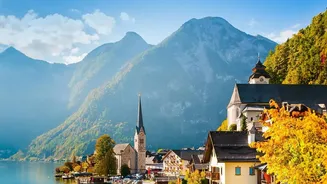
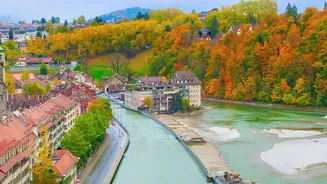
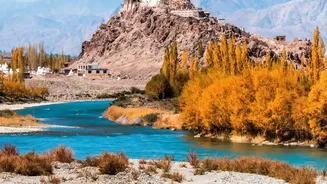
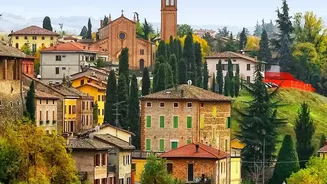
The appeal of autumn travel is multi-faceted. Perhaps the most significant driver is the promise of fewer crowds at iconic landmarks, leading to a more immersive and authentic experience. This allows for a slower, more meaningful connection with the local culture. Financially, it's a savvier choice; flight and accommodation prices are often considerably lower than during peak season. But the motivation isn't purely economic. For many, the pleasant, mild weather in many parts of Europe and Asia is a major draw. It's perfect for outdoor activities like city walking tours or hiking, without the intense heat of summer. The season also offers its own unique aesthetic, with the golden and red hues of fall foliage in Europe and the fresh, green, post-monsoon landscapes in parts of Asia providing a stunning backdrop for any trip.
Europe's Autumnal Charm
Europe in the autumn is particularly enchanting for Indian visitors. Countries like Germany, France, and Slovenia offer breathtaking landscapes as forests turn into a tapestry of vibrant colours. Destinations like Bavaria in Germany, with its fairytale castles, or the Alsace wine region in France become even more picturesque. The weather is often mild and crisp, ideal for exploring cities like Rome, Paris, and Amsterdam at a more leisurely pace. With the summer tourist crowds gone, museums are more accessible and cafes feel more local. It's a chance to experience the continent in a more relaxed and genuine way, with the added bonus of catching the end of wine harvest festivals in regions like Portugal's Douro Valley.
Asia's Post-Monsoon Glow
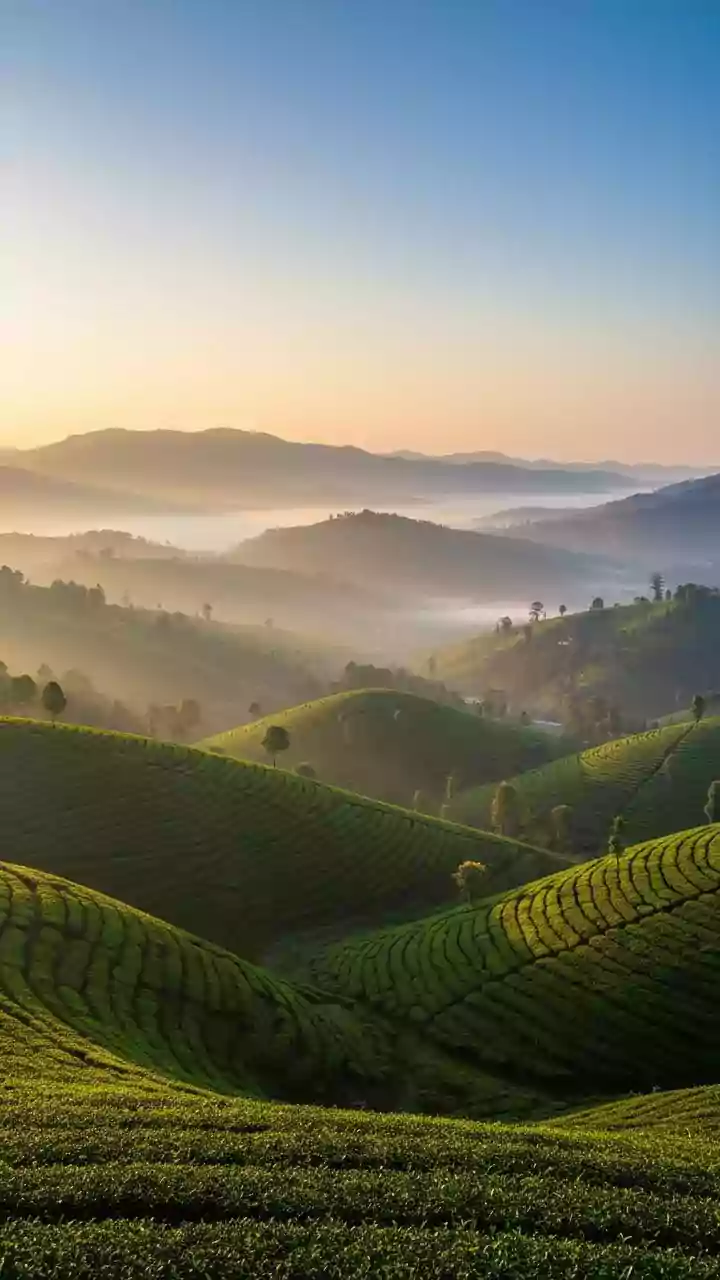
Asia also presents a wealth of opportunities for the autumnal traveller. In Southeast Asia, October often marks the end of the monsoon season, leaving behind lush, green countrysides and clearer skies. Northern Vietnam, including Hanoi, becomes particularly pleasant, while the rains begin to ease in the south. Similarly, Kerala in India sees the monsoon taper off by late September, offering a green paradise without the peak season rush. Further east, Japan and South Korea are famed for their spectacular autumn foliage, which rivals the beauty of their spring cherry blossoms but with fewer crowds. The crisp, dry air in places like South Korea's Seoraksan National Park makes it a prime time for hiking and enjoying nature.
A Sign of the Evolving Indian Traveller
This growing preference for shoulder-season travel signals a maturation of the Indian outbound travel market. The modern Indian tourist is more informed, experience-driven, and confident. Factors like increased flexibility from remote work arrangements and a greater desire for unique, purpose-led trips are contributing to this shift. Travellers are no longer just ticking boxes off a list of famous sights; they are seeking value in the form of deeper cultural immersion and personal enrichment. This evolution means that travel is becoming a year-round activity rather than being confined to a few frantic weeks, a trend that is reshaping itineraries and the tourism industry itself.