




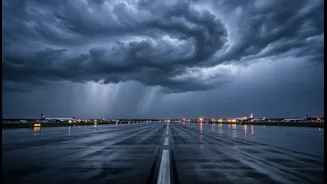



An Annual Ritual of Chaos
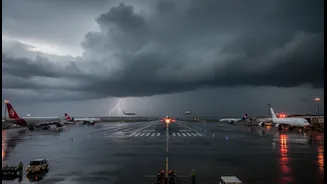
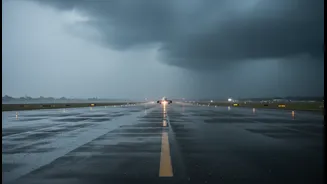
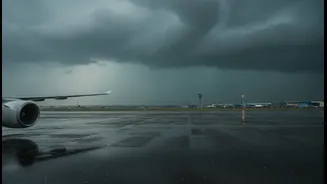
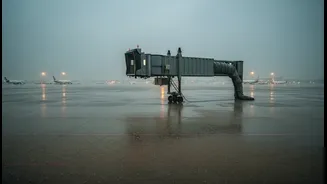
This year is no different. Recent heavy rains have once again exposed the vulnerabilities of one of the world's busiest airports. On July 9, heavy downpours led to widespread waterlogging in and around the airport, disrupting traffic flow and causing
severe flight delays. Airlines including Air India, IndiGo, and SpiceJet issued advisories, cautioning passengers about potential disruptions and urging them to check flight statuses before leaving home. This wasn't an isolated incident; just days earlier, on July 5, severe weather resulted in 15 flights being diverted from Delhi to Jaipur and Lucknow. Passengers find themselves stranded, navigating crowded terminals and staring at display boards filled with delays and cancellations. It's a scene that plays out with such regularity that it has become an expected part of the monsoon travel experience in the capital.
More Than Just Heavy Rain
It is easy to blame the weather. Airlines are quick to cite adverse conditions, which are, of course, a genuine safety concern. But the monsoon is not a surprise event. It is a predictable, annual weather pattern. The recurring issues at Delhi Airport point to a deeper malaise than just a few hours of intense rainfall. The problem is systemic, stemming from inadequate drainage infrastructure, poor urban planning in the surrounding areas, and a seemingly reactive rather than proactive approach to crisis management. When approach roads to the airport become waterlogged, and when the forecourt itself resembles a shallow lake, it signals a failure of basic infrastructure planning. This isn't just about managing aircraft in bad weather; it’s about ensuring the entire airport ecosystem can withstand a predictable surge of water.
The Gap Between Plan and Reality
Every year, ahead of the monsoon, authorities release statements about their preparedness. We hear about the formation of special task forces, the cleaning of drainage systems, and the deployment of high-capacity water pumps. Delhi International Airport Limited (DIAL) and other civic bodies regularly outline their 'Monsoon Action Plans'. Yet, when the clouds gather and the rain begins to fall in earnest, these plans seem to evaporate. The reality for passengers remains one of uncertainty and chaos. The advisories from airlines to 'allow for extra travel time' have become a euphemism for 'prepare for a nightmare journey to the airport'. This persistent gap between the planned response and the on-ground reality raises serious questions about accountability and the effectiveness of these annual drills.
A Gateway to India?
Delhi's IGI Airport is more than just a transportation hub; it is positioned as India's primary gateway to the world. It wins awards for service and quality, and it is a symbol of the country's modern aspirations. This image, however, takes a severe beating every monsoon. For international visitors, a chaotic, flooded airport is a terrible first impression. For domestic travelers and the city's residents, it is a source of immense frustration and a reminder of how basic infrastructure can fail when tested. A world-class airport should be resilient. It should be designed and managed to handle predictable challenges with minimal disruption. When an annual storm can bring our premier airport to its knees, it suggests our claims of world-class status are, at best, conditional.