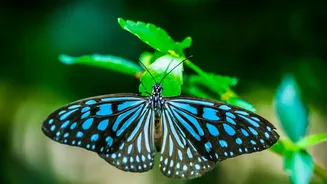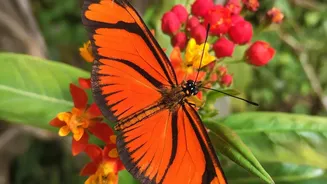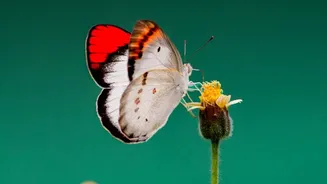









As the monsoon recedes and a cooler breeze hints at winter, our city landscapes reveal a quiet, beautiful secret. Late-blooming autumn flowers are creating vibrant, essential refuelling stations for urban pollinators like bees and butterflies.
A Critical Late-Season Feast
For many
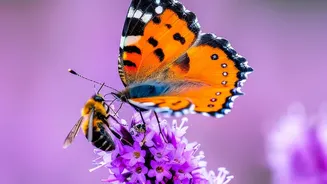
plants, the peak flowering season is long gone by September. But for pollinators, the search for food is far from over. Late-season blooms provide a critical source of nectar and pollen when other floral resources are becoming scarce. This is especially important for bees, which need to store enough food in the form of honey to survive the leaner winter months, and for butterflies that may be migrating or preparing to overwinter. In India, a host of wild bees, such as the dwarf honey bee (Apis florea) and the giant honey bee (Apis dorsata), are crucial for pollination in both urban and agricultural settings. These late-season flowers act as a final, energy-packed meal, ensuring these vital insects can sustain their populations into the next year.
The Urban Pollinator Highway
Think of a city not as a concrete jungle, but as a series of connected green islands. A balcony garden in one apartment, a patch of wildflowers in a local park, and a row of flowering shrubs along a pavement—each of these contributes to a larger network. These spots function as 'pollinator pit stops', allowing insects to rest and refuel as they navigate the urban landscape. Even a small window box can be part of this highway. Studies have shown that a collection of independently managed gardens can create a remarkably stable and continuous food supply for pollinators across a city, smoothing out the 'boom and bust' cycles seen in rural farmland. This makes urban gardens an unexpected sanctuary for biodiversity.
Autumn Bloomers for Indian Cities
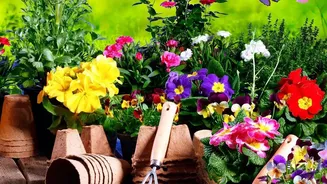
So, which flowers are the stars of this autumn show? Many are familiar, easy-to-grow favourites. Marigolds (Genda) are a top choice; their bright yellow and orange blossoms are rich in nectar and tolerant of Indian climates. Cosmos, with their delicate, open petals, are also excellent for attracting bees and butterflies. You will also find various species of Salvia, whose tubular flowers are a magnet for pollinators. Other late-bloomers that thrive in Indian gardens include Zinnias, Dahlias, and Chrysanthemums, each providing valuable sustenance. Even herbs like Tulsi (Holy Basil) produce continuous blooms that draw in small native bees.
The Rise of the Balcony Conservationist
This ecological phenomenon is powered by ordinary people. The growing trend of balcony gardening in India is transforming urban spaces into mini ecosystems. Apartment dwellers are increasingly creating 'pollinator balconies', designed specifically to attract and support bees, butterflies, and other beneficial insects. By choosing the right plants, urban gardeners become accidental conservationists, helping to restore a small piece of the natural balance that is often lost in cities. Initiatives like 'Buzzing Blooms' in Ludhiana, started by a teenager, have shown remarkable success, creating over 20 pollinator gardens and significantly increasing the richness of local pollinator species. This proves that small, dedicated green spaces can have a measurable positive impact.
How You Can Create a Pollinator Stop
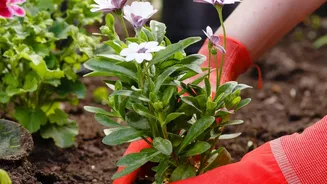
Contributing to this urban lifeline is easier than you think. Start by planting native, pollinator-friendly flowers that bloom at different times, ensuring a food supply from spring through autumn. Grouping the same types of plants together makes them easier for pollinators to find. It is also crucial to avoid or eliminate the use of chemical pesticides, which can be harmful. Another simple but effective step is to provide a shallow dish of water with a few stones in it for insects to land on and drink safely. By turning your balcony, windowsill, or small garden patch into a pollinator pit stop, you are not just adding beauty to your home—you are actively participating in the survival of these essential creatures.