





Your OTP The Digital Key
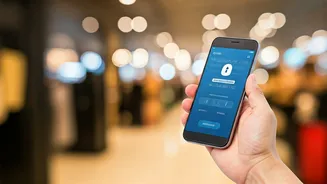
A One-Time Password, or OTP, is a unique and time-sensitive code used to verify your identity for a single transaction or login session. [2, 3, 5] Think of it as a digital key that proves you are the one authorizing a payment, logging into your email,
or accessing a secure account. [4] Unlike a static password that remains the same, an OTP is dynamic and expires quickly, typically within a few minutes. [6, 16] This design makes it a crucial layer of security, often used as a second factor of authentication (2FA) to confirm that the request is legitimate. [11] When you receive an OTP, it's a signal that a sensitive action is about to happen, one that requires your explicit, real-time approval.
Why Sharing Is Never An Option
The single most important rule of digital security is to never share your OTP with anyone. Banks, legitimate companies, and government agencies will never call, email, or text you to ask for an OTP. [13, 25] Fraudsters, however, depend on tricking you into sharing it. When you give someone your OTP, you are giving them the final piece of the puzzle they need to access your account. [17] They may have already stolen your card details or password through other means, and the OTP is the last security barrier they need to overcome to approve fraudulent transactions, take over your social media profiles, or access your personal data. [12] That short code is a direct authorization—sharing it is the equivalent of saying "Yes, I approve this action," even if you're not the one performing it.
Anatomy of an OTP Scam
Scammers in India have become experts in social engineering, using psychology to create a sense of urgency, fear, or excitement to manipulate you. [10, 14] Common tactics include the fake KYC update, where a fraudster pretending to be from your bank or digital wallet claims your account will be blocked unless you verify it by sharing an OTP. [13] Another popular method is the prize or lottery scam, where you're told you've won a large sum of money and need to share an OTP to "release" the funds. [9] Fraudsters also pose as customer support representatives, e-commerce delivery agents asking for payment confirmation, or even friends in need. They might send a fake UPI request and then call for an OTP to "reverse" a mistaken transaction. [7] The stories change, but the goal is always the same: get you to read out those crucial digits.
How to Spot The Red Flags
Protecting yourself starts with recognizing the warning signs. Be immediately suspicious of any unsolicited request for an OTP. If you receive an OTP that you did not request, it's a major red flag that someone might be trying to access your account. [7] Pay attention to the language used in messages; poor grammar and spelling mistakes are often signs of a scam. [7] Be wary of any communication that creates panic, such as threats that your account will be frozen or an urgent problem needs fixing. [7] Legitimate institutions will not pressure you into immediate action over the phone. Always remember: if an offer seems too good to be true, it almost certainly is. No one will give you a cashback or reward that requires you to share an OTP. [14]
What To Do If You Shared Your OTP
If you realize you've made a mistake and shared your OTP, acting quickly is critical to minimizing the damage. The first and most important step is to immediately contact your bank or financial service provider. [10] Use the official customer care number from the bank's website or the back of your card to report the fraudulent transaction and request they block your card or account. [19, 31] Next, report the incident to the National Cyber Crime Reporting Portal by calling the helpline number 1930 or visiting cybercrime.gov.in. [19, 24] This is an official government initiative to tackle cyber fraud, and reporting quickly can help authorities attempt to freeze the funds. After reporting, change all your relevant passwords and security credentials for other accounts as well. [29]